


 1300 164 990
How to Choose Reading Glasses?
Published on October 23rd, 2026
To choose your reading glasses, you should undertake steps such as understanding why you need them, getting your eyes tested, choosing the right reading lens strength, ensuring they provide clear vision and updating them when required. Reading glasses are used to magnify nearby objects, giving you the ability to read a book or do other close-range activities without blurry vision or eye strain. They are commonly used for those with presbyopia, an age-related condition where an individual struggles to focus on nearby objects.
1. Understand Why You Need Reading Glasses
It is important to understand why you need reading glasses. The purpose of reading glasses is to magnify close-up objects in your line of vision for activities such as reading. They can be bought over-the-counter at pharmacies and do not require a prescription. Therefore, you will need reading glasses if you require vision correction solely for close-up work and have no other vision issues.
2. Consider Your Reading Distance
Consider your reading distance. Generally, you should have any reading material around 40cm away from your face. This provides an ideal distance that does not strain your eyes by being too close or too far. Going forward, ensure your reading material is placed around this distance from your eyeline.
3. Get Your Eyes Tested First
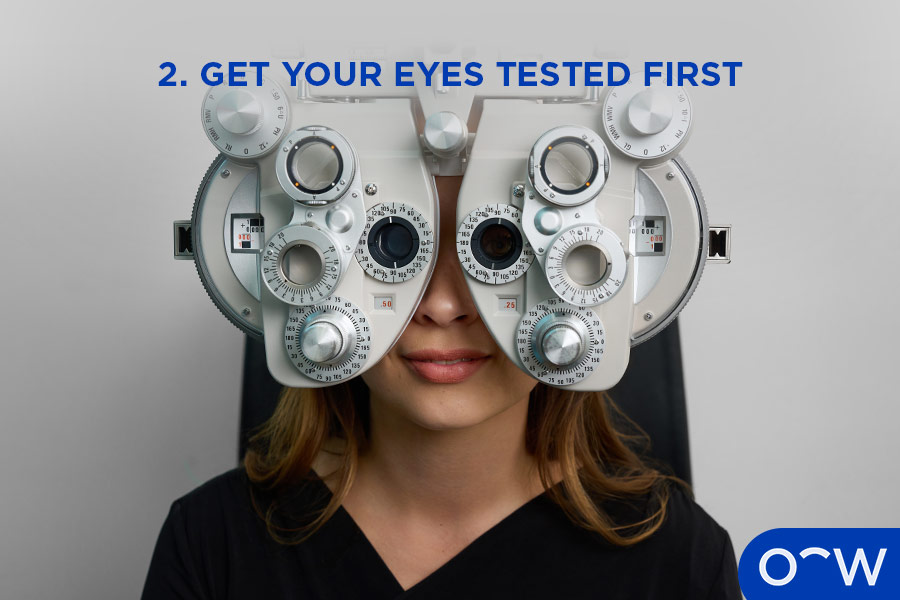
You may like to get your eyes tested first before purchasing reading glasses. An eye test will provide a more in-depth picture of your vision health and whether prescription frames may be required to correct your vision.
4. Choose the Right Reading Glasses Strength
Choose the right reading glasses strength for your vision. This can be determined by an eye test, where an optometrist performs a 'refraction' to measure your spectacle prescription strength. This step is necessary to determine what type and power of glasses suits your every day needs, or whether a more tailored option is required for specific viewing tasks, such as using a computer. A rough estimate of your reading prescription can also be done with a 'diopter chart', which guides you to the approximate magnification required to see small print.
5. Check Whether You Need Different Strengths for Each Eye
Check whether you need different strengths for each eye, which can be determined by an optometrist after performing a refraction. If you require different magnification strengths for each eye, standard off-the-shelf reading glasses will not be suitable. You will generally need custom prescription glasses tailored by an optometrist.
6. Consider Multifocal or Other Lens Options
Consider multifocal or other lens options if you want prescription reading glasses. If you also struggle with long-distance vision, multifocal lenses can provide visual clarity for both short-sightedness and long-sightedness. You may want blue light lenses that are designed to block or reduce the amount of blue light that is emitted from digital screens, as prolonged exposure to artificial blue light may disrupt your natural sleep cycle. You may also consider anti-reflective or screen-use lens coatings designed to reduce digital glare and improve visual comfort during prolonged screen use.
7. Choose a Comfortable Frame Fit
Choose a comfortable frame fit for your reading glasses. Comfort is key while wearing your frames, so ensure the frame you select sits well on your face. Consider nose bridge fit, temple length and weight on the face.
8. Choose Glasses Based on Your Sense of Style
Choose reading glasses based on your sense of style. Wearing frames that gel well with your outfits and personal style will allow for a cohesive day-to-day look, and make you more keen on wearing them. Consider frame material, colour, pattern and rim thickness when selecting your frames.
9. Make Sure the Glasses Give Clear, Comfortable Vision
Make sure the reading glasses give clear, comfortable vision. Try your selected frames in-store and make sure to try reading different materials while you're there, such as your phone or any books or product signage close-up. This will allow you to gauge whether the glasses sharpen your close-up vision. Ensure you understand the returns policy before purchasing.
10. Replace or Update Your Reading Glasses When Needed
Replace or update your reading glasses when needed. Vision changes, and so should your reading glasses if you find they are not a compatible strength. Whether you need a higher or lower diopter, ensure your frames align with your vision needs as they change.
What are Reading Glasses?
Reading glasses are frames with lenses that magnify nearby objects such as books and other reading material. They are mainly used for those who suffer from presbyopia, a condition that occurs when people get older as their eyes gradually lose the ability to focus, according to Health Direct.
How do Reading Glasses Magnify Text?
Reading glasses magnify text as the lenses increase the size of the text or objects in your line of vision. The level of magnification is measured in the unit referred to as “diopters,” with the higher the number, the higher the level of magnification provided.
Do Reading Glasses Magnify?
Yes, reading glasses magnify objects in their line of vision. This is the purpose of reading glasses: to help magnify words or objects for those with presbyopia who cannot see up close clearly.
What Strength Readers Do You Need?
The strength of readers you need will depend on your own near vision requirements. A diopter chart will help you determine the right level of magnification.
Can a Reading Glasses Strength Test Help You Find the Right Power?
Yes, a reading glasses strength test can help you find the right power for your frames. This chart, also called a diopter chart, has numerous lines decreasing in size gradually. The power you will require for your reading glasses will be labelled to the side of the smallest line you can read clearly.
What do the Numbers on Reading Glasses Mean?
The numbers on reading glasses indicate the magnification power of the lenses, formally known as the diopter strength. The higher the number, the stronger the magnification will be.
How does Reader Strength Relate to Magnification?
Reader strength relates to magnification, as reader strength refers to the level of magnification reading glasses offer. This is formally known as ‘diopters.’
Does a Higher Number Mean Stronger Readers?
Yes, a higher number will mean a stronger reader, as this indicates a higher magnification.
How Can You Tell If You Need Reading Glasses?
You can tell if you need reading glasses if near vision is unfocused and unclear. Reading, knitting, or even writing can be affected if near vision is not sharp.
What Signs Can Show That Your Near Vision Needs Help?
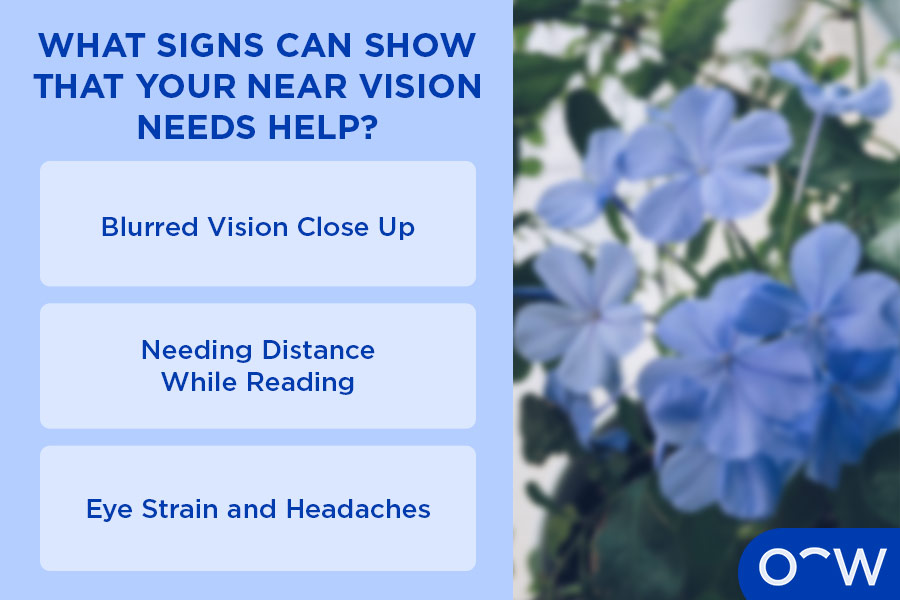
The signs that can show your near vision needs help include blurred vision close up, holding your reading material further away in order to see clearly, eye strain and headaches. Read more about these signs below.
- Blurred Vision Close Up: Blurred vision close up is the most prominent sign of compromised near vision. You will be unable to see clearly when doing close-up activities.
- Needing distance While Reading: Needing distance while reading will happen as a result of unfocused near vision. You will likely find yourself positioning the reading material away from your face as it will allow you to see more clearly.
- Eye Strain: Eye strain will occur as you try to read the unfocused text in front of you, leading to sore eyes and headaches.
- Headaches: Headaches and eye strain can come hand in hand, both common signs of those who struggle with blurry near vision.
Can Blurry Close-Up Text Mean You Need Readers?
Yes, in some cases blurry close-up text can mean you need readers. However, it may be best to go for an eye test to see if prescription glasses are needed to fix other vision issues you have, such as shortsightedness.
How do you Use a Reading Glasses Strength Chart?
To use a reading glasses strength chart, you should position the chart correctly, test one eye at a time, read down the page, find the corresponding number, and repeat for the other eye. Read more about how to use a reading glasses strength chart below.
- Position the chart correctly: Position the chart correctly before testing. It should be around 35cm away from your face, which is the typical reading distance.
- Test one eye at a time: Test one eye at a time. This will allow you to determine if one eye requires more magnification than the other.
- Read down the page: Read down the page. Each line will decrease in size to determine how far you can see.
- Find the corresponding number: Find the corresponding number next to the smallest line you can read clearly.
- Repeat for the other eye: Repeat this process for the other eye to determine the strength it aligns with.
What Information Does a Reading Glasses Strength Chart Show?
The information reading glasses strength charts show is the diopter levels that are available for reading glasses. These correspond with lines of varying size to determine which magnification power will be required.
Can a Reading Glasses Chart Help You Compare Different Powers?
Yes, a reading glasses chart can help you compare different powers. When you’re trying on different reading glasses, the chart is a helpful indicator to see which magnifying power is best suited to your vision needs.
What is the Difference Between Reading Glasses and Distance Glasses?
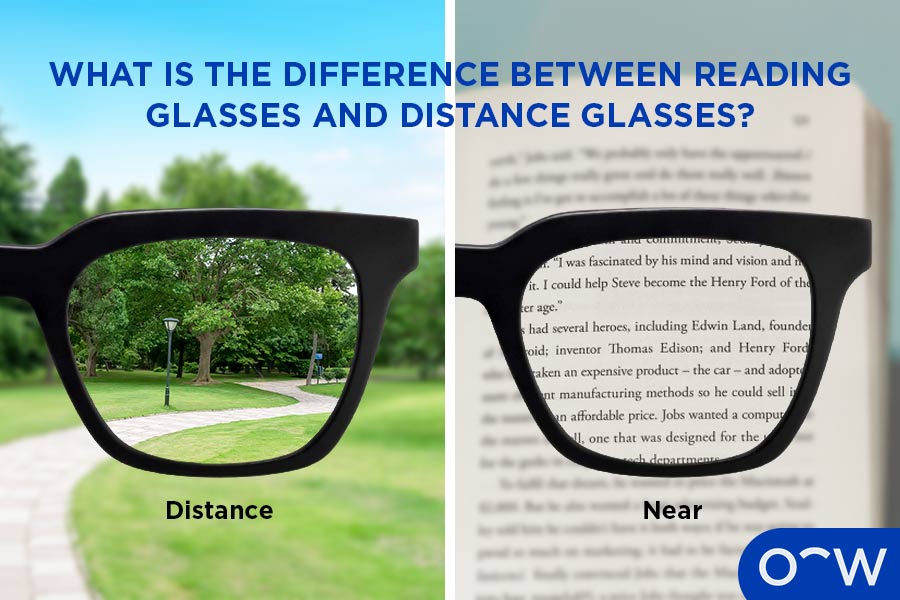
The difference between reading glasses and distance glasses is that reading glasses are used to sharpen close-up vision, while distance glasses are used to sharpen vision required for long-distance activities. Reading glasses are commonly used for those with presbyopia, an age-related condition that leads to unfocused near vision, while distance glasses are used for those with the condition myopia, which is when close objects are clear but long-distance objects are blurry.
When are Reading Glasses Used Instead of Distance Glasses?
Reading glasses are used instead of distance glasses when an individual is undertaking close-up activities such as reading, sewing, or writing. Distance glasses, on the other hand, are used for activities that require sharp vision for long distances, such as driving or television.
Are Reading Glasses Designed for Near Vision?
Yes, reading glasses are designed for near vision tasks such as reading or knitting.
What is the Highest Reading Glasses Strength?
The highest reading glasses strength that generally can be found over the counter is +4.00. It is uncommon for an individual to need a higher strength than this. However, there are reading glasses with strengths up to +6.00, though these will be harder to find.
When Might High Strength Readers be Needed?
High strength readers will be needed for those with moderate to severe presbyopia, which typically worsens until the age of 65, according to Health Direct. This higher strength may be needed for those who do activities that require fine detail work, such as reading fine print or crocheting.
Can Reading Glasses Have Very High Magnification?
Yes, reading glasses can have very high magnification, with power as high as +3.50 and +4.00. While higher magnification is available, it is best to consult an optometrist to see if prescription glasses are required.