


 1300 164 990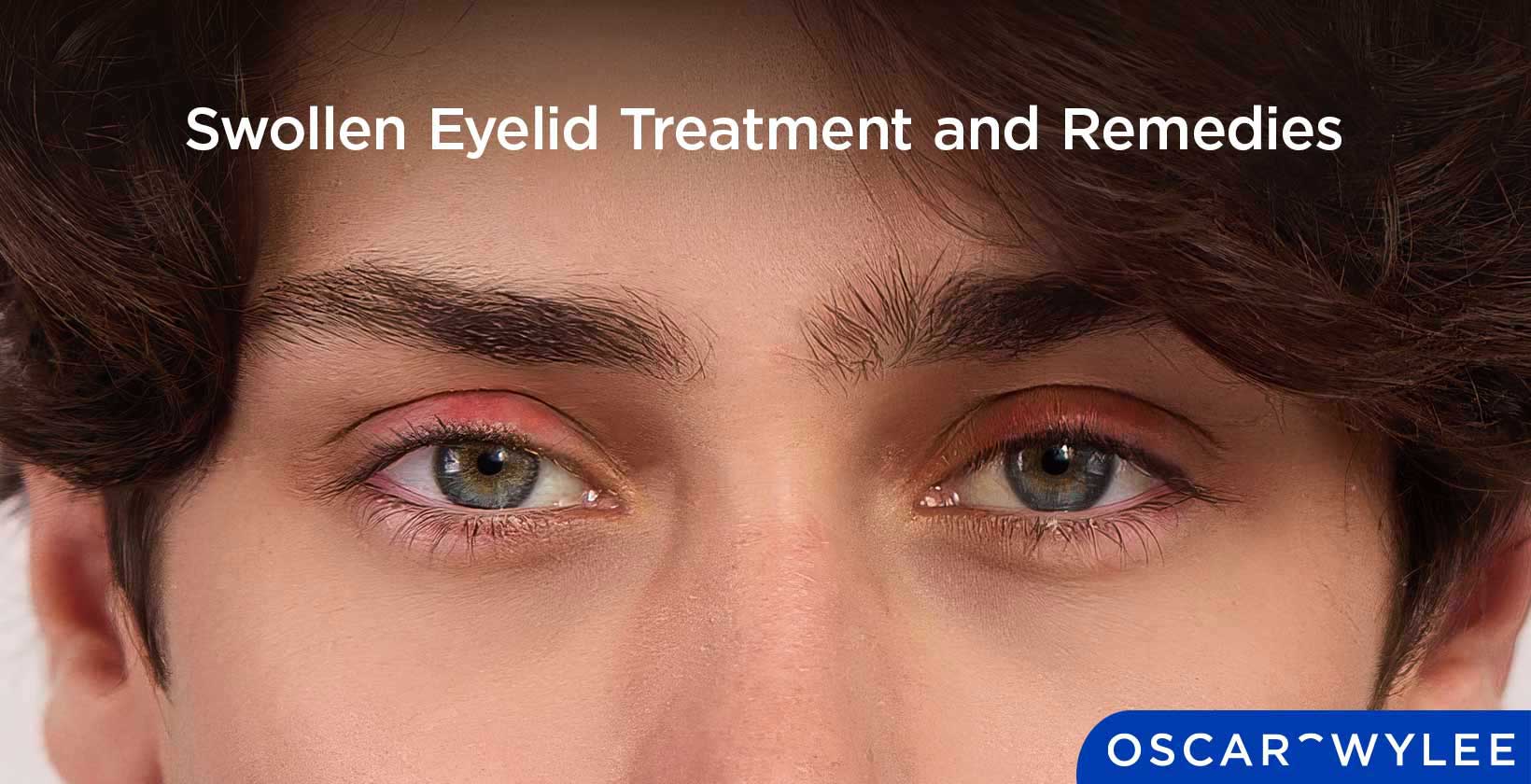
Swollen Eyelid Treatment and Remedies
Published on June 17th, 2026
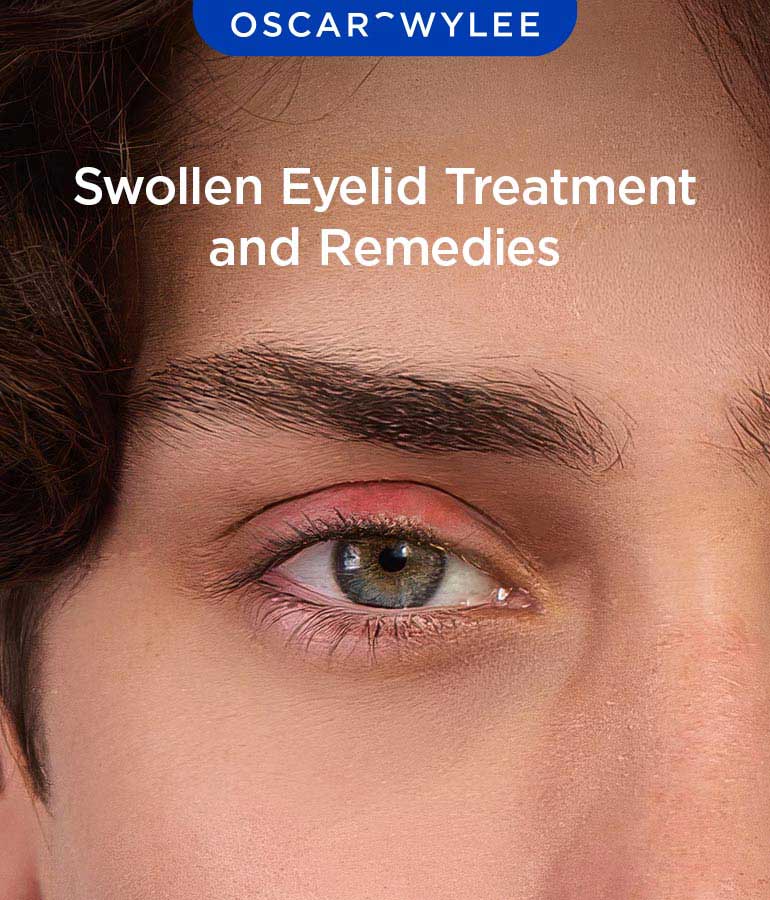
Swollen eyelids refer to puffy eyes caused by fluid collecting in the tissues surrounding your eyes. Swollen eyelids can be caused by allergies, injuries, infections and some other medical conditions. Treatment of swollen eyelids depends on the cause, but often includes eye drops and other medicines like antihistamines. You should seek medical care for a swollen eye if you have new problems with your vision or are more sensitive to light.
It is important to note that Oscar Wylee offers optometry services only; this article is for educational purposes only and is not a substitute for professional medical advice, diagnosis, or treatment.
What is a Swollen Eyelid?
A swollen eyelid occurs when fluid or inflammation causes the eyelid to enlarge. Swelling may affect one or both eyelids. Swollen eyelids can result from allergies, injuries, infections and some other medical conditions, according to Healthdirect Australia. It is usually temporary, but persistent swelling may need medical evaluation.
Why does Eyelid Swelling Happen?
Eyelid swelling happens when inflammation causes fluid to leak into the eyelid tissue. Common triggers of eyelid swelling are allergies, infections, blocked oil glands, or blepharitis, and symptoms will depend on the cause.
Can a Swollen Eyelid Affect Vision?
Yes, a swollen eyelid can affect vision if the swelling becomes severe. The eyelid may be so swollen that it can partially block sight. Mild swelling will rarely affect vision. Swelling in the eyelids may be uncomfortable, but it will rarely damage long-term vision, according to the Mayo Clinic.
What Causes a Swollen Eyelid?
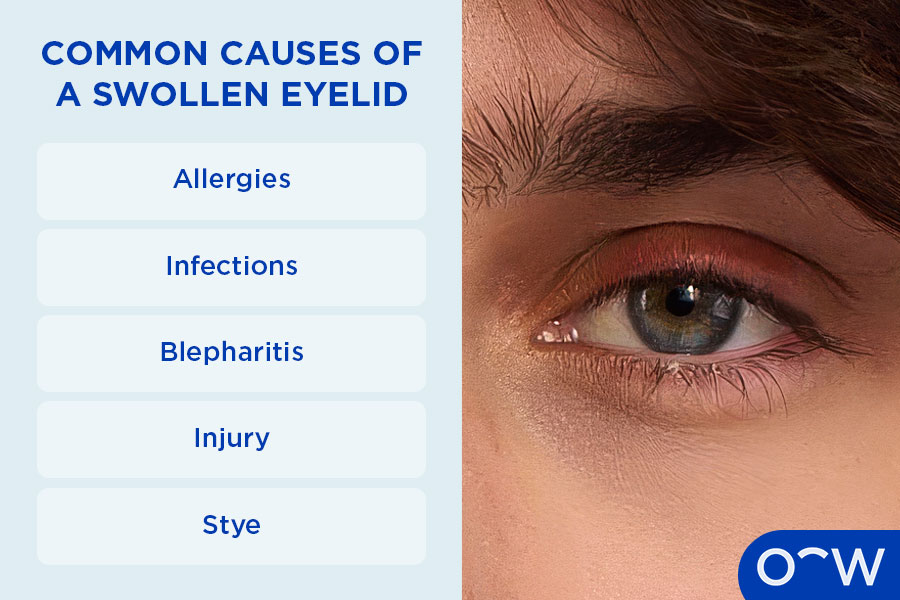
There are several conditions that can cause eyelid swelling, including allergies, infections, blepharitis, injuries, and styes. These conditions are explained further below.
- Allergies: Allergies can trigger inflammation and puffiness in the eyes.
- Infections: Infections from bacteria or viruses may cause eyelid swelling.
- Blepharitis: Blepharitis can lead to inflammation, which affects the eyelid edges.
- Injury: Injury due to trauma can cause eyelid fluid buildup.
- Stye: Styes refer to when a tiny oil gland or eyelash follicle becomes blocked and becomes swollen.
How do Allergies Lead to Puffy Eyes and Eyelid Swelling?
Allergies cause the body to release chemicals that trigger inflammation and fluid buildup, which can lead to puffy eyes and swelling. Allergies that can lead to eyelid swelling include hay fever, pollen allergies, a reaction to insect stings or bites, allergic conjunctivitis, and blepharitis, according to Health Direct Australia. Symptoms of puffy eyes and eyelid swelling caused by allergies usually improve after allergen removal.
Is Allergy-Related Eye Swelling Usually Temporary?
Yes, allergy-related eye swelling is usually temporary. Symptoms often improve when allergen exposure stops or appropriate treatment, such as antihistamines, is administered.
Why is My Upper Eyelid Swollen?
An upper eyelid may swell because of allergies, infection, irritation, or a stye. The exact cause of a swollen upper eyelid varies depending on symptoms such as pain, redness, or itchiness. Upper eyelid swelling accompanied by pain may indicate an infection, according to Health Direct Australia. Most cases of upper eyelid swelling are treatable, and a medical evaluation can identify the source of the swelling.
How can Blepharitis Cause Swollen Eyelids?
Blepharitis causes eyelid swelling through inflammation of the eyelid edges, bacterial overgrowth, and blocked oil glands, according to the Mayo Clinic. Blepharitis is a very common condition that causes chronic inflammation of the eyelids, according to the Royal Victorian Eye and Ear Hospital, Australia. Treatment for blepharitis mainly involves cleaning the eyelid area and using artificial tear drops.
Is Blepharitis a Common Cause of Eyelid Inflammation?
Yes, blepharitis is a common cause of eyelid inflammation. Blepharitis is when the eyelid edges become inflamed, causing dry, itchy, burning eyes, and swollen, red and crusty eyelids, according to Health Direct Australia.
How is a Swollen Eyelid Diagnosed?
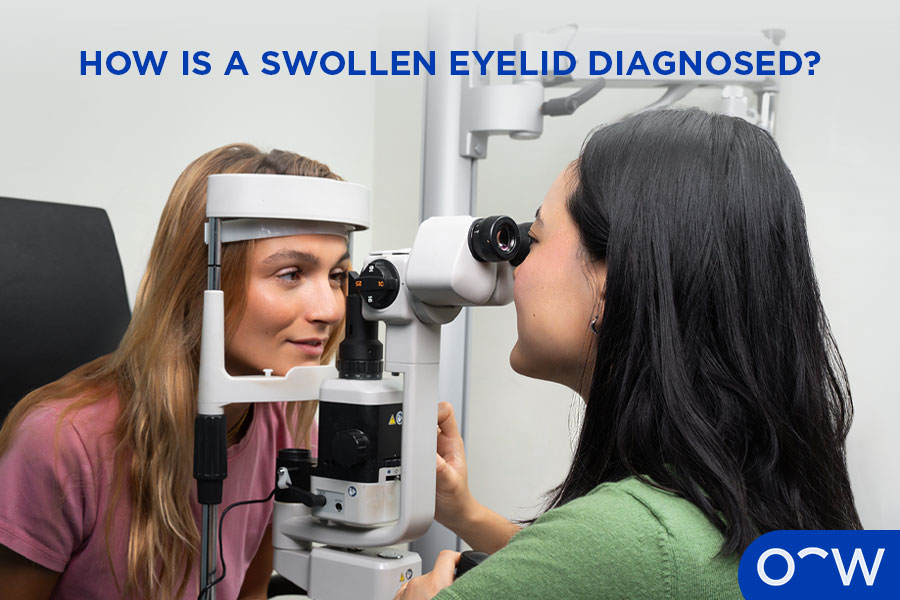
A swollen eyelid can be definitively diagnosed through a physical examination of the eyelid and symptom evaluation. Doctors will assess a patient's redness, pain, and swelling levels, and may ask about medical history to identify causes of swelling.
What Symptoms Suggest an Eyelid Infection Rather Than Mild Irritation?
Symptoms that may indicate an eyelid infection rather than mild irritation include pain, redness, pus or discharge, warmth, and fever. These symptoms that may indicate an infection are explained further below.
- Pain: Pain may be more intense than simple irritation when infection is apparent.
- Redness: Redness often becomes quite noticeable around the eye area.
- Pus or Discharge: Pus or discharge may develop around the eye.
- Warmth: Warmth may be felt around the infected tissue.
- Fever: Fever may occur in severe cases.
If you experience these symptoms, it is important to seek medical attention as soon as possible.
Should Eye Pain With Swelling Be Checked by a Doctor?
Yes, eye pain with swelling should be checked by a doctor, according to Health Direct Australia. Eye swelling accompanied by pain may indicate infection or another serious condition. Visual changes alongside eyelid swelling and severe redness are also cause for concern.
What are the Best Swollen Eyelid Treatments?
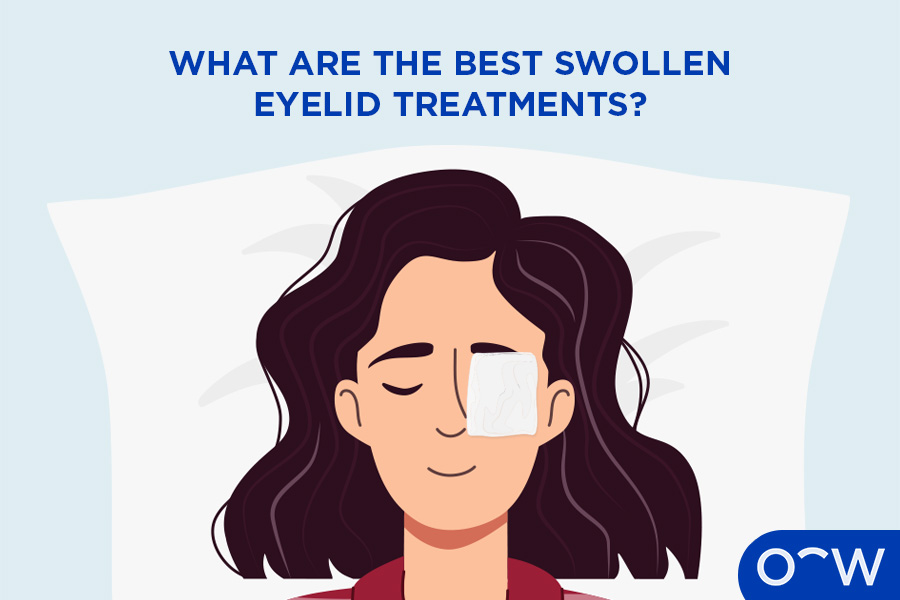
The best swollen eyelid treatments depend on the cause of swelling, but commonly include cold compresses, eye drops, antihistamines, antibiotics, and eyelid hygiene. Read more about these best swollen eyelid treatments below.
- Cold Compress: Cold compresses can reduce eyelid inflammation and soothe the affected area.
- Eye Drops: Eye drops may relieve eye irritation caused by swelling.
- Antihistamines: Antihistamines can help with allergy-related swelling.
- Antibiotics: Antibiotics prescribed by a doctor can help fight off bacterial infections that cause eyelid swelling.
- Eyelid Hygiene: Eyelid hygiene maintenance helps to manage and prevent blepharitis.
How do Eye Drops Help With Eyelid Swelling?
Eye drops help eyelid swelling by targeting the underlying cause and reducing irritation, dryness, or allergy symptoms, according to Health Direct Australia. Different types of eye drops target specific causes of eyelid swelling. The different eye drops used to reduce eyelid swelling include antihistamine drops, decongestant drops, antibiotic drops, steroid or anti-inflammatory drops, and lubricating drops. The ways these reduce eyelid swelling are explained below.
- Antihistamine drops: Antihistamine drops block histamine, which can reduce itchy, red, and puffy eyes.
- Decongestant drops: Decongestant drops temporarily restrict the blood vessels on the eye's surface, which can reduce redness and swelling.
- Antibiotic drops: Antibiotic drops can ease eyelid swelling if it is caused by an infection. Your doctor or optometrist will prescribe antibiotic drops to you if necessary.
- Steroid or anti-inflammatory drops: Steroid or anti-inflammatory drops target severe inflammation in the eyes and are prescribed by eye care professionals.
- Lubricating drops: Lubricating drops, also known as artificial tears, can help with eyelid swelling related to dry eye or eye strain, soothing irritation and hydrating the surface of the eyes.
Are Eye Drops Suitable for Every Cause of Swollen Eyes?
No, eye drops are not suitable for every cause of swollen eyes, and using the wrong eye drops can worsen the condition, according to Health Direct Australia. It is important to ask a healthcare professional for advice before using eye drops, as different eye drops target different causes of swollen eyes.
What Home Remedies Can Reduce a Swollen Eyelid?
The home remedies that may reduce eyelid swelling include cold compresses, rest, hydration, cleaning eyelids, and avoiding rubbing the eyelids. These home remedies are explained further below.
- Cold Compress: Cold compresses help to constrict blood vessels, which can reduce swelling and puffiness.
- Rest: Rest is helpful in reducing swollen eyelids, as it helps your body naturally repair itself.
- Hydration: Hydration helps to maintain fluid balance in the body and combat fluid retention, which may help to reduce some swollen eyelids.
- Cleaning Eyelids: Cleaning the eyelids can help to reduce irritation in some forms of swollen eyelids, such as swollen eyelids caused by blepharitis.
- Avoid Rubbing: Avoiding rubbing the eyes is important to prevent worsening symptoms and maintain eye hygiene.
What is the Fastest Way to Heal a Swollen Eyelid at Home?
The fastest way to heal a swollen eyelid at home is often a cold compress and proper rest. It is also beneficial to avoid irritation, such as allergens, and keep the eyelids clean.
When Should You Seek Medical Care for a Swollen Eye?
You should seek medical care for a swollen eye if you experience new problems with your vision or are more sensitive to light than usual, according to Health Direct Australia. You should also seek medical care if your swollen eye is accompanied by severe eye pain, headache, or nausea. If you have a fever as well as a swollen eye, this may indicate infection, and you should seek help from a medical professional.
What Treatments are Available for Severe or Recurrent Eyelid Swelling?
Treatments available for severe or recurrent eyelid swelling depend on the underlying cause of the swelling, but often include prescription eye drops, antibiotics, allergy medication, warm compresses, and, in severe cases, specialist care. These available treatments are explained in more detail below.
- Prescription Eye Drops: Prescription eye drops can help reduce inflammation caused by eyelid swelling and fight infection.
- Antibiotics: Antibiotics treat swollen eyelids caused by bacterial infections and are prescribed by a doctor. Antibiotics for eyelid swelling can include topical antibiotic eye drops, ointments, or oral antibiotics.
- Allergy Medication: Allergy medication can help control allergic reactions, which can reduce eyelid swelling and inflammation.
- Warm Compresses: Warm compresses can help certain eyelid conditions, particularly if the swelling is primarily allergy-related. Warm compresses help to melt thick, retained oil in blocked glands.
- Specialist Care: Specialist care may be necessary for persistent cases of eyelid swelling. This care may involve clinical procedures, prescription medications, and addressing the underlying root causes of eyelid swelling.
Can Untreated Eyelid Swelling Lead to Complications?
Yes, untreated eyelid swelling can lead to complications in some cases. Complications can include vision impairment, spread of infection, and increased inflammation. The severity of the risk of complications depends largely on the underlying cause of eyelid swelling. It is recommended to seek medical care if your symptoms persist for more than 24 to 48 hours.
How Long Does a Swollen Eyelid Last?
A swollen eyelid may last from a few days to several weeks, depending on the cause. Mild cases of swollen eyelids, which are usually more common, often improve quickly. Swollen eyelids caused by allergies often resolve faster, but infections and styes or chalazions may take longer.
What Factors Affect Recovery Time From Eyelid Swelling?
The factors that affect recovery time from eyelid swelling depend on the cause, severity, treatment, patient's health status, and exposure to irritants. These factors that affect recovery time are explained further below.
- Cause: The cause of swollen eyelids will affect how it heals. For example, swollen eyelids caused by allergies may resolve faster than those caused by infection.
- Severity: More severe swelling may lead the swollen eyelids to last longer, as the body tries to reduce inflammation.
- Treatment: Ensuring proper treatment may improve recovery time for swollen eyelids.
- Health Status: Health status is an important factor that will affect overall healing time.
- Irritation Exposure: Continued exposure to irritation may delay recovery of swollen eyelids.
Can Eyelid Swelling Go Away on Its Own?
Yes, eyelid swelling will often go away on its own within 24 to 48 hours. The recovery time of swollen eyelids depends largely on the underlying cause of the condition. Most commonly, eyelid swelling is mild and will improve naturally without treatment, but persistent symptoms may require medical attention.
What are the Different Types of Eyelid Swelling?
The different types of eyelid swelling are varied but include allergic swelling, infectious swelling, stye, chalazion, and traumatic swelling. Read about these different types of eyelid swelling below.
- Allergic Swelling: Allergic swelling is eyelid swelling triggered by allergens. Allergic swelling may include allergic conjunctivitis and contact dermatitis.
- Infectious Swelling: Infectious swelling is eyelid swelling caused by infection. Infectious swelling may include a stye, periorbital cellulitis, and orbital cellulitis.
- Stye: A stye is a painful eyelid bump caused by a bacterial infection in an eyelash follicle or an oil gland, according to the Cleveland Clinic.
- Chalazion: A chalazion is a firm, typically painless lump caused by a blocked oil gland in the eyelid. A chalazion may develop after an internal stye, according to the Cleveland Clinic.
- Traumatic Swelling: Traumatic swelling is eyelid swelling caused by injury to the eye. Traumatic eyelid swelling may include a black eye, eyelid lacerations and abrasions.
How do Styes and Chalazia Cause Swollen Eyelids?
Styes and chalazia cause swollen eyelids because eyelid glands become blocked or inflamed. Styes are often painful, whereas a chalazion is less so, according to Health Direct Australia. Both styes and chalazia may cause noticeable swelling and may require treatment, although they often will improve on their own.
What is the Difference Between a Stye and a Chalazion?
Styes are small, painful bumps on the outside or inside of the eyelid, whereas a chalazion is a blocked oil gland that is often painless, according to Health Direct Australia. Styes may develop more quickly than a chalazia, and their causes differ. Styes are usually caused by a bacterial infection, whereas a chalazion is caused by a clogged oil gland. A chalazion may also develop more slowly than a stye.
How can you Prevent Future Eyelid Swelling?
You can prevent future eyelid swelling with good hygiene, eye care and avoiding allergic irritants, according to Health Direct Australia. These preventative measures are explained further below.
- Good hygiene: Good hygiene involves cleaning your eyelids and lashes daily using a mild soap to prevent oil glands from blocking.
- Eye care: Eye care means avoiding rubbing your eyes and washing your hands before handling contact lenses. You should also wear eye protection during activities that involve dust, debris, or chemicals, according to Health Direct Australia.
- Avoiding allergic irritants: Avoid allergic irritants such as pollen, pet dander, or dust mites, and get tested for allergies to understand potential triggers.
Are Contact Lenses Linked to Eyelid Swelling?
Yes, contact lenses are linked to eyelid swelling, particularly due to improper lens hygiene. It is important to wash your hands before handling contacts, wear clean contact lenses, and avoid sleeping in contact lenses to avoid introducing bacteria into your eyes.
What Should You Avoid When Treating a Swollen Eyelid?
When treating a swollen eyelid, you should avoid eye rubbing, unclean hands, old makeup, and harsh products. These factors to avoid when treating a swollen eyelid are explained further below.
- Eye Rubbing: Eye rubbing increases irritation, worsens puffiness, and can introduce new bacteria into the eyes.
- Unclean Hands: Unclean hands can spread bacteria into the eyes and cause infection or prolong the condition.
- Old Makeup: Using old makeup can worsen inflammation of the eyelids. It is also recommended to stop using eye makeup while swollen eyelids recover, to prevent further complications.
- Harsh Products: Harsh products like soaps or fragranced facial cleansers can aggravate swollen eyelid symptoms and dry out the sensitive eye area.
It is important to note that Oscar Wylee offers optometry services only; this article is for educational purposes only and is not a substitute for professional medical advice, diagnosis, or treatment.