


 1300 164 990
Seeing Flashing Lights in the Corner of the Eye
Updated on June 22nd, 2026
Published on October 4th, 2023
 Australia

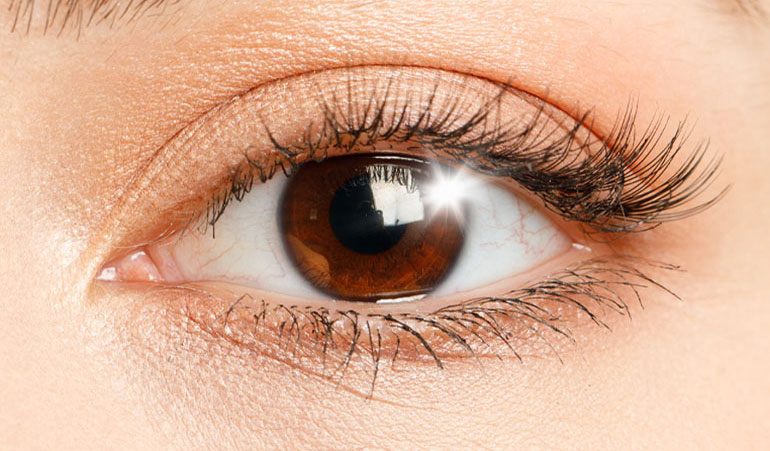
Seeing flashing lights in the eye refers to eye flashes that occur towards the periphery of someone's vision. Flashing lights in the eye are generally caused by posterior vitreous detachment, in which the vitreous humour separates from the retina. Posterior vitreous detachment is a common condition that occurs as people age, and there is generally no prevention for it. Other causes of flashes of light in peripheral vision can include eye trauma, retinal detachments, migraine, and Stickler Syndrome. For flashing lights in the eye caused by posterior vitreous detachment, there is usually no treatment required. For flashing lights that occur as a result of retinal detachment, there is surgery available, such as a vitrectomy and scleral buckling. If you are worried about why you are seeing flashes in the corner of your eye, you should see an optometrist as soon as possible. Eye flashes can be a symptom of retinal detachment, which may cause vision loss if left untreated.
What are the Causes of Seeing Flashing Lights in the Corner of the Eye?
The most common causes of flashing lights in the corner of the eye may include posterior vitreous detachment (PVD), retinal tear, retinal detachment, ocular migraine (retinal migraine), migraine with aura, eye injury or eye trauma, vitreoretinal traction, age-related changes in the vitreous gel, inflammation inside the eye (uveitis), diabetic retinopathy, visual disturbances after surgery, head injury or concussion and certain medications. The possible causes of seeing flashes of light in the corner of the eye are listed below.
- Posterior Vitreous Detachment (PVD): Posterior vitreous detachment is a condition in which the vitreous detaches from the retina, which may cause flashing lights in the eye.
- Retinal Tear: A retinal tear occurs when the vitreous gel pulls on your retina and leads to a small break or tear in the retina.
- Retinal Detachment: Retinal detachment is when the retina detaches from its normal position. It is important to note that retinal detachment is considered a medical emergency and requires immediate medical attention.
- Ocular Migraine (Retinal Migraine): An ocular migraine (retinal migraine) is characterised by loss of vision that is usually followed by a headache. Occurring visual disturbances may last under 60 minutes.
- Migraine with Aura: Migraines with aura refer to migraines that happen in tandem with sensory disturbances.
- Eye Injury or Eye Trauma: Eye trauma refers to damage to the eye as a result of injury that may impact the retina and, in turn, cause eye flashes.
- Vitreoretinal Traction: Vitreoretinal traction occurs when the vitreous gel in the eye may be shrinking due to increased age or other causes, and doesn't completely detach from the retina.
- Inflammation inside the eye (uveitis): Inflammation inside the eye, often caused by autoimmune conditions, can lead to flashing lights.
- Diabetic retinopathy: Diabetic retinopathy is a complication of diabetes that affects vision.
- Visual disturbances after surgery: Visual disturbances after surgery, namely cataract surgery, can occur, such as blurry vision and flashing lights.
- Head injury or concussion: Head injury or concussion can affect vision and lead to blurriness, dark spots and flashes of light.
- Certain medications: Certain medications can lead to side effects that affect vision and cause flashing lights.
1. Posterior Vitreous Detachment (PVD)
Posterior vitreous detachment (PVD) is one of the most common causes of eye flashes and occurs when the vitreous pulls away or detaches from the retina. Posterior vitreous detachment often occurs due to changes in the vitreous fluid as it changes with age. The vitreous or vitreous humour is a gel-like substance located between the lens and the retina, helping to keep the shape of the eye. The retina is the light-sensitive layer at the back of the eye that sends light that enters the eye to the optic nerve, then to the brain. As a person ages, their vitreous may begin to separate from the eye, which can lead to eye flashes.
2. Retinal Tear
Retinal tears refer to a break in the retina, which is the light-sensitive tissue situated in the back of the eye, according to the Vision Eye Institute. Retinal tear symptoms may include seeing flashes of light in your vision or in the corner of your eyes, according to Mornington Peninsula Eye Clinic.
3. Retinal Detachment
Retinal detachment is a serious eye condition that may cause a person to see flashing lights. If a person is having eye flashes, accompanied by other symptoms such as eye floaters, blurry vision, seeing an empty circle or seeing shadows, it is important to seek immediate attention from a healthcare professional, as untreated retinal detachment can lead to vision loss. Retinal detachment occurs when the retina separates from the tissue at the back of the eye, according to the Better Health Channel. When the retina is detached, it loses access to important nutrients from the surrounding tissues and cannot function. If treatment is not sought quickly for retinal detachment, it can lead to vision loss.
4. Ocular Migraine
An ocular migraine is defined as a rare type of migraine that causes temporary visual problems in one eye, according to the Sydney Headache and Migraine Clinic. Ocular migraines may be a cause for seeing flashing lights in the corner of your eye as a result of the temporary spasms of the blood vessels in the retina, disrupting blood flow to the back of the eye. This can lead to the nerve cells triggering light flashes and other visual disturbances.
5. Eye Injury or Trauma
Eye trauma, resulting from injuries to the eye, may cause eye flashes. Eye trauma or an injury to the eye may result in eye flashes due to physical force exerted on the retina. Eye injuries may occur as a result of a hit to the eye. Additional force to the eye may also cause eye flashes, such as forcefully coughing or even rubbing the eyes too hard, according to the Optometrist Network.
6. Vitreoretinal Traction
Vitreoretinal traction may cause patients to see flashing lights in the corner of their eye due to the physical effect on the retina. Vitreoretinal traction occurs when the vitreous gel doesn't completely separate from the retina, which can result in it pulling on the macula, disrupting the macula's usual shape, according to the Macular Disease Foundation Australia. Vitreoretinal traction may be a cause of seeing flashing lights in the corner of one's eye, consequently from the physical pull of the vitreous, leading to the mechanical stimulation of the retina, according to Kahawita et al. in their article titled Flashes and Floaters: A Practical Approach to Assessment and Management published in 2014.
7. Inflammation Inside the Eye (Uveitis)
Inflammation inside the eye, formally known as uveitis, is often caused by an autoimmune response or infection. One of the symptoms of uveitis is flashes of light, and others include eye redness, pain and light sensitivity, according to Health Direct.
8. Diabetic Retinopathy
Diabetic retinopathy is a complication of diabetes that damages the blood vessels in the retina, according to Vision Australia. Symptoms include dark spots in your vision, blurred vision, floaters and flashes of light, according to Macular Disease Foundation Australia.
9. Visual Disturbances After Eye Surgery
Flashing lights can occur as part of the visual disturbances that often emerge after eye surgery. This is particularly true of cataract surgery. While floaters are common after the procedure, if they are combined with flashes of light, you should consult your eye specialist, as it may be a sign of a retinal tear, according to Mornington Peninsula Eye Clinic.
10. Head Injury or Concussion
Head injuries or concussions can be a cause of light flashes; however, these often come with floaters, which are a more common result of concussions.
11. Certain Medications
Certain medications can cause flashing lights and floaters in your vision. These medications can include Avastin, Viagra, Lanoxin and Seroquel, according to Healthline.
What do Flashes of Light in Peripheral Vision Look Like?
Flashes of light in peripheral vision will look like small, bright lights that shine in the corner of your eyesight.

How does the Retina Create Light Flashes?
The retina may create light flashes in a few different ways. If the cause of the flashes is related to physical traction, like a PVD, the physical disruption sends signals through the retina, which creates a flash of light in your vision. If the flash is related to a retinal migraine, then the change in blood flow to the retina is the cause of the flash sensation.
Is Seeing Flashing Lights in the Corner of the Eye a Symptom of Eye Disease?
Seeing flashing lights in the corner of the eye is not usually a symptom of an eye disease. Eye flashes are generally caused by the vitreous fluid in the eye pulling away from the retina. Random flashes of light in the field of vision are commonly caused by ageing, as the older a person gets, the more liquid the vitreous gel becomes, leading to its separation from the retina. Eye flashes may also occur as a result of an eye injury or a migraine, but are not often associated with eye diseases.
Can Flashing Lights in the Eye be Harmless?
Yes, flashing lights in the eye can be harmless; however, it is important to see an optometrist if you see flashes, as they can also be a symptom of serious eye conditions such as retinal detachment. Occasional eye flashes are a common occurrence, especially in older age. The older a person gets, the more liquid the vitreous gel becomes, leading to its separation from the retina, which can cause eye flashes. Eye flashes that happen more regularly and are accompanied by other symptoms such as floaters and blurred vision can indicate a serious eye condition such as retinal detachment. If a person has these symptoms, they should seek medical attention as soon as possible.
Are Flashing Lights in the Eye and Eye Floaters the Same?
No, flashing lights in the eye and eye floaters are not the same thing, although both involve issues with the vitreous. Flashing lights or eye flashes refer to streaks or spots of light that a person sees in their field of vision, caused by the vitreous humour separating from the retina and tugging, or causing friction between the two. Eye floaters are a collection of cells of protein that get stuck in the vitreous humour, according to Harvard Health Publishing, and look like circles, cobwebs or lines in the field of vision. If you experience both flashes and floaters together, seek medical attention, as this could be a symptom of a serious issue.
Why do Flashes of Light Appear in One Eye?
The reasons why flashes of light may appear in one eye are the same as the reasons why they would appear in both. These reasons include posterior vitreous detachment, singular eye trauma, retinal detachment and migraines.
Is a Flash of Light in One Eye a Warning Sign?
Yes, a flash of light in one eye can be a warning sign, notably if they are sudden and happen frequently. It can be a warning sign of an underlying eye condition and should be checked immediately by a health professional.
How are Flashes of Light Diagnosed and Treated?
Flashes of light will usually be diagnosed and treated with dilation and retinal imaging, which will allow the optometrist or ophthalmologist to assess the cause of the flashes and floaters. Most causes will need no treatment, but retinal tears will likely require laser treatment, according to Sydney Retina.
How Long Does the Treatment for Flashing Lights in Peripheral Vision Last?
How long the treatment for flashing lights in peripheral vision lasts will depend on the underlying reason why they are happening. Retinal tears, for example, are treated by laser therapy, which can take 1-4 weeks to recover from, according to Coastal Eye Surgeons.
Can Treatment Stop Flashes of Light in the Eye?
Yes, in some cases treatment will be able to stop flashes of light in the eye. An eye test with dilation and retinal imaging will be used to assess the cause of flashes and floaters, which often accompany these, according to Sydney Retina. If the cause is a retinal tear, laser treatment will likely be undertaken.
How Can You Protect Your Vision When Seeing Eye Flashes?
You can protect your vision when seeing eye flashes by seeing a health professional. Eye flashes may be a sign of an underlying problem, making professional help important. An optometrist will be able to check all regions of your eye to uncover potential issues and address them in a timely manner.
Read Seeing Flashing Lights in the Corner of the Eye in other Oscar Wylee regions and their languages.
Australia