


 1300 164 990
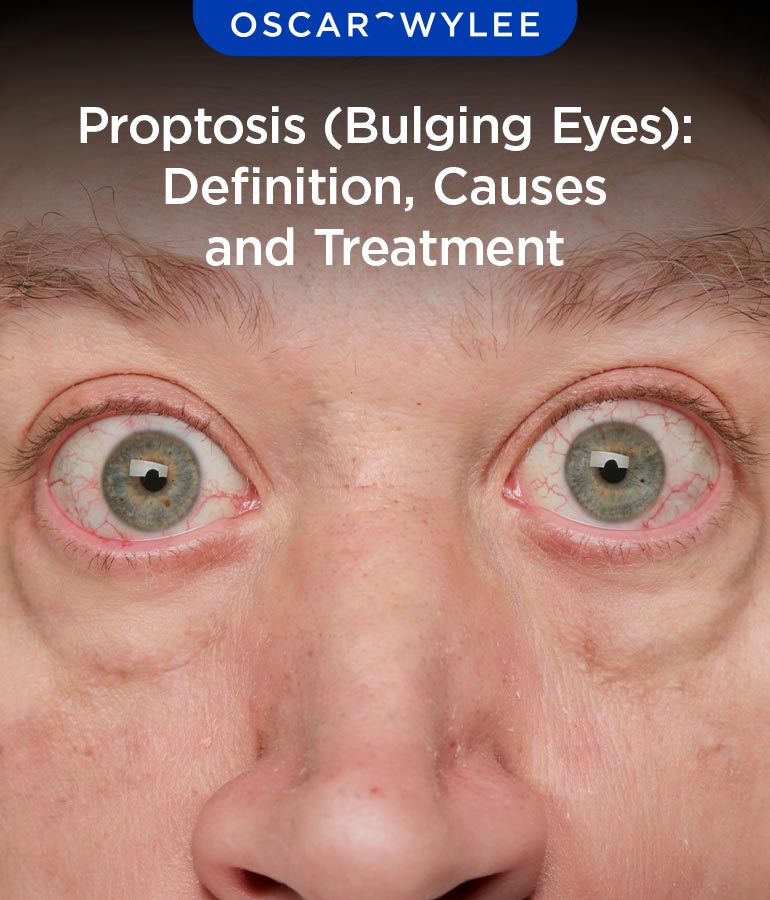
Proptosis (Bulging Eyes): Definition, Causes and Treatment
Published on May 1st, 2026
Proptosis (bulging eyes) is a condition in which a patient's eyeballs protrude from the orbit. The symptoms of proptosis may include dry eyes, dull orbital pain, ocular surface discomfort and redness in the eye. Proptosis may stem from many different conditions that either affect vision or overall health, such as infectious etiologies, orbital inflammatory diseases, trauma, vascular lesions and autoimmune diseases. Treating proptosis will likely vary based on the severity of one's condition, underlying cause and will revolve around preserving vision, saving the globe of the eye overall and reducing mortality, according to Topilow et al. (2020). It is important to note that this article is general in nature and should not be used as a sole source of medical advice. Please consult a medical professional who can provide professional and personalised advice for you.
What does Proptosis Mean?
Proptosis refers to an eye condition wherein one or both of the eyes protrude from their eye sockets, according to Topilow et al. (2020). Proptosis can often be an indication of diseases such as glaucoma and hyperthyroidism.
What is the Medical Term for Bulging Eyes?
The medical terms for bulging eyes are proptosis or exophthalmos, which are often used interchangeably.
Are Proptosis and Exophthalmos Different Conditions?
No, proptosis and exophthalmos are not different conditions and are often both used to describe eyeballs that protrude or bulge from the eye socket.
What Causes Bulging Eyes to Develop?
The causes that lead to bulging eyes to develop include thyroid eye disease, orbital cellulitis and tumours. Read more about these causes of bulging eyes below.
- Thyroid Disease: Thyroid diseases, such as Graves' disease, are a common cause of bulging eyes. Those with bulging eyes as a result of thyroid disease may experience blurred vision or double vision.
- Orbital Cellulitis: Orbital Cellulitis is an emergency condition, notably in children, wherein the eye's orbit is infected. Proptosis is a common symptom of this.
- Tumours: Eye tumours such as neuroblastoma may cause bulging eyes to develop in some cases, according to Cleveland Clinic.

How does Thyroid Disease Lead to Eye Bulging?
Thyroid diseases that can cause eye problems may lead to eye bulging, such as Graves' disease. Graves' disease is the most common cause of thyroid-related eye problems, according to Queensland Eye Institute Foundation. This condition occurs when the immune system produces antibodies that make the thyroid gland produce excess hormones. These antibodies cause inflammation and swelling of the muscles and tissues around the eyes, leading to a condition known as thyroid eye disease (TED), which can cause bulging eyes.
Does Hyperthyroidism Always Cause Protruding Eyes?
No, hyperthyroidism does not always cause protruding eyes. While it is a common cause of protruding eyes, it is not the sole reason you may be experiencing protruding eyes. Symptoms between patients with hyperthyroidism can vary and depend on the severity of their condition.
Why Does One Eye Bulge More Than the Other?
One eye may bulge more than the other in proptosis. There is no conclusive reason to determine whether a bulging eye will affect one or both eyes.
What Conditions Cause Unilateral Proptosis?
The conditions that can cause unilateral proptosis include thyroid eye disease, orbital lymphoma and orbital cellulitis. Unilateral proptosis refers to when just one eye is protruding. Read more about these conditions below.
- Thyroid Eye Disease: Thyroid eye diseases, such as Graves disease, can lead to unilateral proptosis. It is the most common cause of both unilateral and bilateral proptosis cases, according to The Royal Victorian Eye and Ear Hospital.
- Orbital Lymphoma: A common symptom of orbital lymphoma is proptosis, and particularly unilateral proptosis, according to Science Direct.
- Orbital cellulitis: Orbital cellulitis is an infection within the orbit, or eye socket, wherein unilateral proptosis in the affected eye is common, according to the Royal Children's Hospital Melbourne.
Can Infection Make Only One Eye Stick Out?
Yes, infection may make only one eye stick out or both. Proptosis due to an infection is a common cause amongst children, according to the MSD Manuals.
What are the Common Symptoms of Eye Proptosis?
The common symptoms of eye proptosis are a protruding eyeball, muscle tightness, eyelid retraction, dry eyes and light sensitivity. If you experience any of these symptoms, read more about these common symptoms of eye proptosis below.
- Protruding eyeball: The protruding eyeball is the most notable characteristic of eye proptosis. It gives the appearance of an eyeball bulging from its socket.
- Muscle tightness: Muscle tightness around the eye will make eye movements, such as looking to the side, more difficult.
- Eyelid retraction: The eyelids will retract as a result of proptosis, which, along with the protruding eyeball, gives the impression of a startled appearance.
- Dry eyes: Dry eyes are common among those with eye proptosis, as closing the eyes is more difficult, thus leading to less tear production on the corneal surface.
- Light sensitivity: Light sensitivity may emerge as a result of eye proptosis, meaning the affected individual will have trouble adjusting to bright light settings.

How do Bulging Eyes Affect Vision and Comfort?
Bulging eyes can affect vision and comfort as the condition can lead to loss or decrease of vision, double vision, eye pain and eye redness according to the MSD Manual.
Can Proptosis Cause Double Vision?
Yes, proptosis is known for causing double vision in those affected, according to Topilow et al., (2020). Double vision is a condition that causes a person to see two different or overlapping images of the same object. Diplopia occurs when light does not hit both of a person's retinas at the same point.
What Treatments are Available for Bulging Eyes?
The treatments that may be available for bulging eyes may include steroid injections, eye drops, wearing sunglasses, thyroid medications, radioactive iodine therapy and orbital decompression surgery. It is important to note that the best treatment option will depend on a specialist's assessment. The treatments that may be available for bulging eyes are listed below.
- Steroid Injections: Steroid injections can be used for treating bulging eyes to help reduce inflammation. According to Eid., (2024), orbital steroid injections can successfully treat the symptoms of thyroid eye disease, including proptosis.
- Eye Drops: Eye drops are an available treatment for bulging eyes to aid with irritation and dryness.
- Wearing Sunglasses: Wearing sunglasses when you have bulging eyes may help if you experience increased sensitivity to light. Wearing sunglasses may also help protect your eyes from dust or debris that may get in your eyes during windy conditions.
- Thyroid Medications: Antithyroid medications such as teprotumumab or methimazole may be used to treat bulging eyes if it is caused by thyroid hormones, according to Healthline.
- Radioactive Iodine Therapy: Radioactive iodine therapy may also be a treatment option for bulging eyes if it is associated with the thyroid.
- Orbital Decompression Surgery: Orbital decompression surgery is a procedure that involves removing bone from the walls of the eye socket to make more room. This may help the eye settle back into the socket, according to Eye Surgery Consultants.
How is Proptosis Treated in Thyroid Eye Disease?
Proptosis may be treated in thyroid eye disease by using thyroid medications such as teprotumumab or methimazole. Other forms of treatment may include radioactive iodine therapy or surgery, which involves removing the thyroid, according to Healthline.
Can Bulging Eyes be Treated Without Surgery?
Yes, bulging eyes may be treated without surgery. Treatment for bulging eyes will be dependent on the cause and may not always require a surgical procedure. According to Healthline, eye drops, corticosteroids or antibiotics may be used to address symptoms.
How is Ocular Melanoma Related to Proptosis?
Ocular melanoma may not be necessarily related to proptosis. However, if ocular melanoma is left untreated, the orbital spread can worsen to the point of proptosis developing, according to Damato and Coupland (2012).
How Does Intraocular Melanoma Lead to a Bulging Eye?
Intraocular melanoma can lead to a bulging eye due to the presence of the tumour, which can lead to changes in the appearance of the eye. For those with intraocular melanoma, the emergence of a bulging eye requires emergency medical attention, according to Gold Coast Health.
Does an Eye Tumour Always Lead to Visible Protrusion?
No, an eye tumour does not always lead to visible protrusion. It will often depend on the type of eye cancer and the growth stage of the tumour as to whether a visible protrusion occurs. For example, uveal melanoma is a type of tumour that can lead to the bulging of one eye, according to Perth Retina.
How can Proper Eyewear Support People With Bulging Eyes?
Proper eyewear may support people with bulging eyes by providing physical protection against wind or dust and from bright sunlight. Patients with bulging eyes may benefit from proper eyewear, as they may experience increased light sensitivity or general tenderness in the eyes.
Which Glasses or Sunglasses Styles Improve Comfort and Protection?
There are no particular glasses or sunglasses styles that can improve comfort or protection for those with proptosis. However, there are some options that patients with proptosis may find beneficial in everyday wear. For example, oversized sunglasses or wraparound sunglasses may be preferred for those who want sun protection and better shielding against the affected eye. Optical glasses options such as flexible frames with spring hinges and lightweight glasses may be more comfortable on the face and for the bulging eye. It should be noted, however, that glasses or sunglasses do not directly help proptosis. Professional medical care is important and a necessity to treat proptosis.
How to Avoid Proptosis?
Avoiding proptosis may include measures that focus on maintaining hormone levels and ensuring healthier habits in your overall lifestyle. While there are many possible causes for this condition, hormone-related conditions may be the most common, according to Healthline. Therefore, it may be helpful to exercise regularly, eat balanced meals and get enough sleep every day.