


 1300 164 990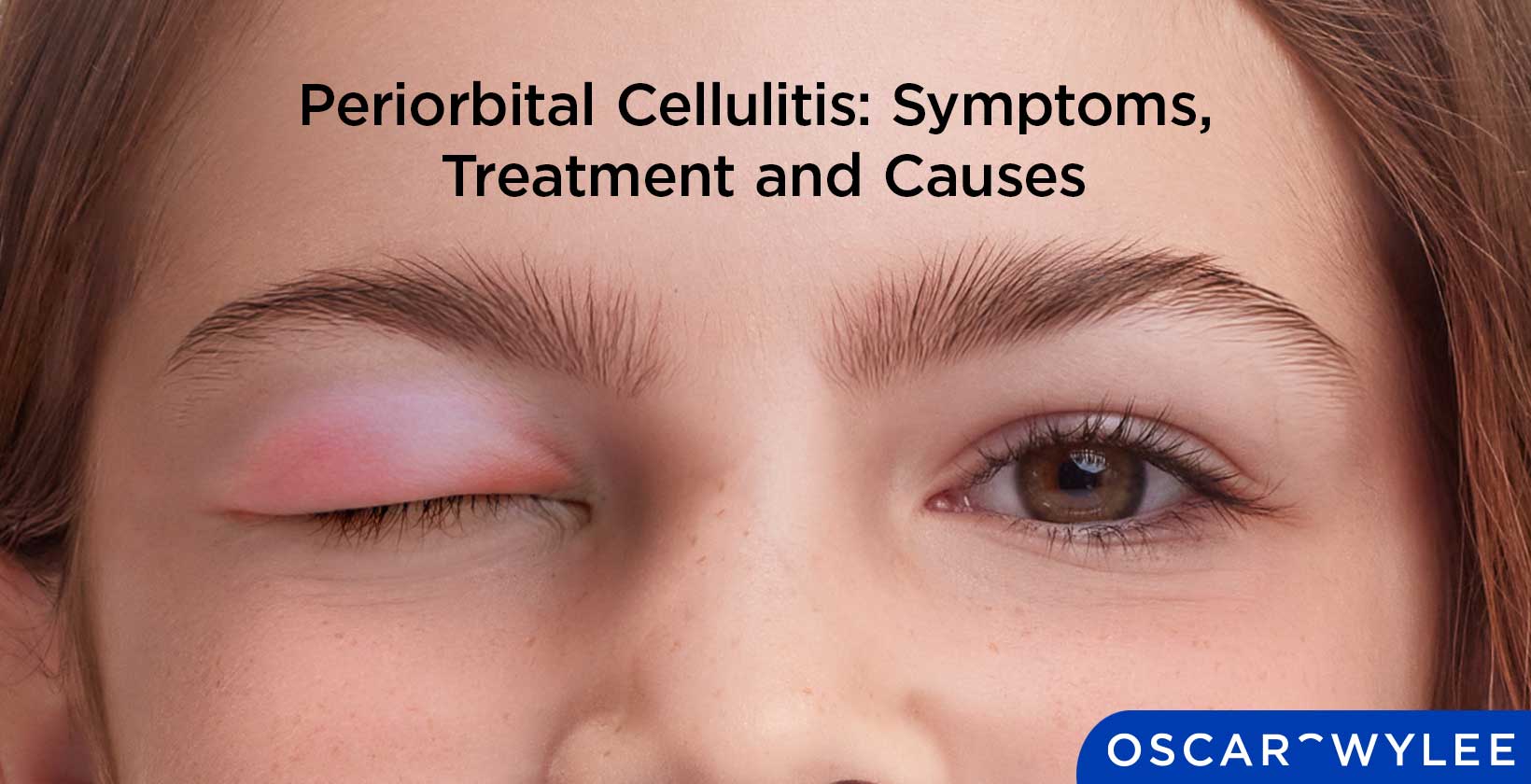
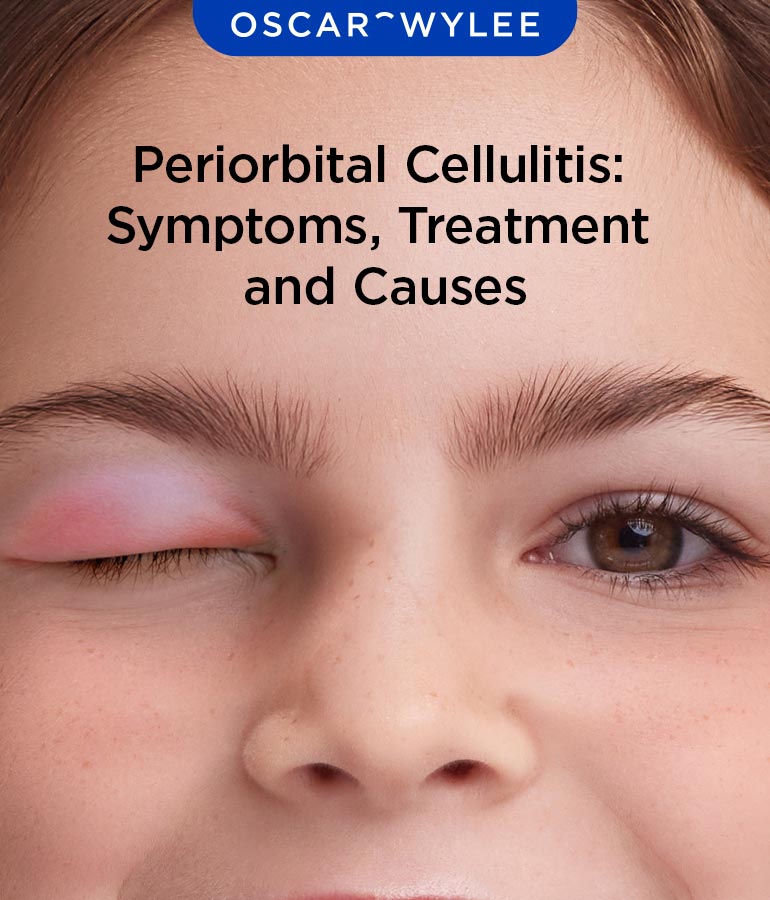
Periorbital Cellulitis: Symptoms, Treatment and Causes
Published on July 17th, 2026
Periorbital cellulitis is a bacterial infection of the eyelid and the skin surrounding the eye. Periorbital cellulitis is mainly caused by bacteria spreading and infecting the eyelids and surrounding skin. The infection is treated most commonly with oral antibiotics, although serious cases may require hospitalisation. To prevent periorbital cellulitis, practice good hand hygiene, eye hygiene, and avoid rubbing the eyes.
It is important to note that Oscar Wylee offers optometry services only; this article is for educational purposes only and is not a substitute for professional medical advice, diagnosis, or treatment. Periorbital cellulitis requires urgent medical evaluation, and you should seek immediate medical attention if you experience eyelid swelling, redness, pain, or fever.
What is Periorbital Cellulitis?
Periorbital cellulitis is a bacterial infection of the eyelid and the skin around the eye in front of the orbital septum, according to The Royal Children's Hospital Melbourne (RCH). Periorbital cellulitis causes redness, swelling, and pain around the eye, but does not typically involve the eye itself.
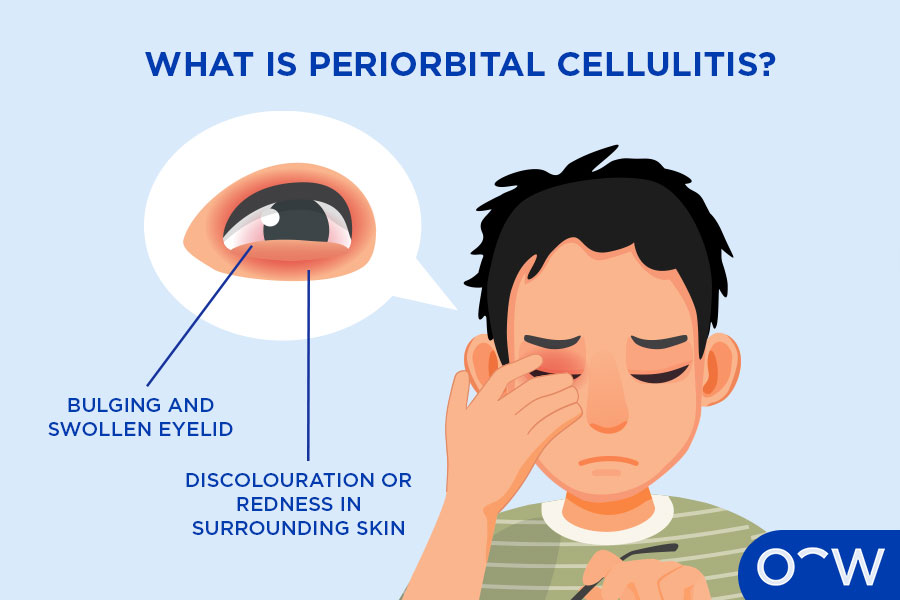
How does Periorbital Cellulitis Affect the Eyelid and Surrounding Tissue?
Periorbital cellulitis causes bacterial inflammation of the eyelid and surrounding skin, according to RCH. This leads to redness, swelling, and tenderness of the upper and lower eyelids. Usually, vision is not affected, and patients experience normal extraocular movement and no pain moving the eyes, according to Children’s Health, Queensland.
Is Periorbital Cellulitis the Same as Preseptal Cellulitis?
Yes, periorbital cellulitis is the same as preseptal cellulitis, according to the Sydney Children’s Hospital Network. Both periorbital cellulitis and preseptal cellulitis are infections in front of the orbital septum.
What Causes Periorbital Cellulitis?
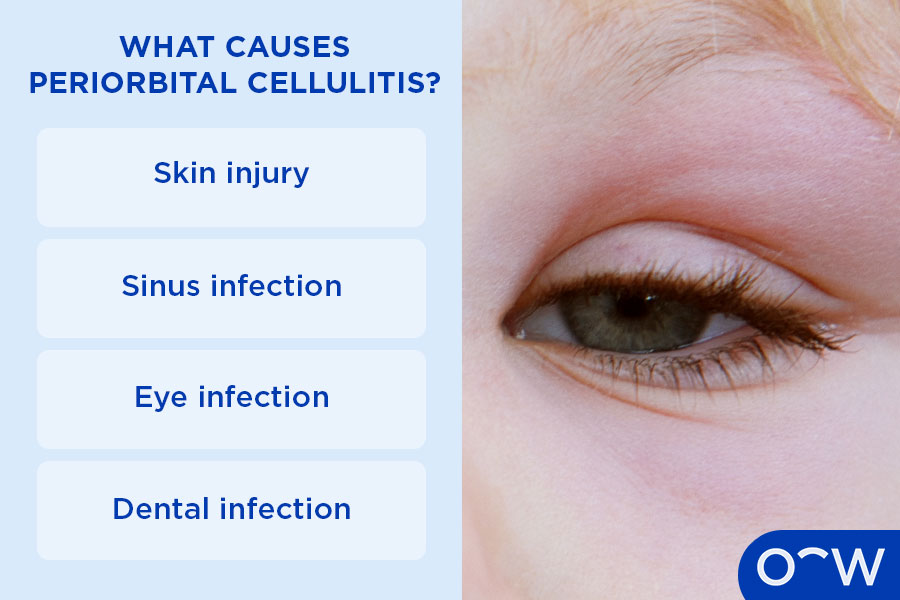
Periorbital cellulitis is caused when bacteria, such as Staphylococcus and Streptococcus, enter the skin through a wound or spread from other facial infections, according to RCH. This can be due to a skin injury, sinus infection, eye infection, or dental infection, according to the Sydney Children's Hospitals Network (SCHN). These causes of periorbital cellulitis are explained below.
- Skin Injury: Skin injuries near the eye, such as cuts, scratches, and insect bites, can introduce bacteria that can cause periorbital cellulitis, according to RACGP.
- Sinus Infection: Sinus infections are a common cause of periorbital cellulitis, as the infection can spread to tissues around the eyes, according to RCH.
- Eye Infection: Eye infections such as a stye, chalazion, or bacterial conjunctivitis can extend to the eyelid and cause periorbital cellulitis, according to RACGP.
- Dental Infection: Dental infections can spread bacteria through tissue and the bloodstream to the eye area, according to SCHN.
Who Is Most at Risk of Developing Periorbital Cellulitis?
Those who are at risk of developing periorbital cellulitis include young children, people with recent skin trauma, people with recent sinus infections, and unvaccinated people, according to the Royal Australian College of General Practitioners (RACGP). The reasons these groups are more at risk of developing the disease are explained below.
- Young Children: Young children, specifically under 5, are most at risk of developing periorbital cellulitis because they have thinner skin and smaller sinus cavities, according to Children’s Health, Queensland.
- People With Recent Skin Trauma: People with recent skin trauma, such as cuts, scratches, insect bites, or animal bites around the eye, are more susceptible to developing periorbital cellulitis. This is because it creates a pathway for bacteria to enter the skin.
- People With Sinus Infections: People with sinus infections are at a higher risk of developing periorbital cellulitis, as bacteria can spread.
- Unvaccinated People: Unvaccinated people, specifically those who have not received the Hib (Haemophilus influenzae type b) vaccine, are at a higher risk of developing periorbital cellulitis, according to the Cleveland Clinic.
Can a Sinus Infection Lead to Periorbital Cellulitis?
Yes, a sinus infection can lead to periorbital cellulitis, according to RCH. Sinus infections can spread to the eyes as the paranasal sinuses share a thin wall with the eye socket, and bacteria can migrate to the eye’s surrounding tissues, according to RACGP.
What are the Symptoms of Periorbital Cellulitis?
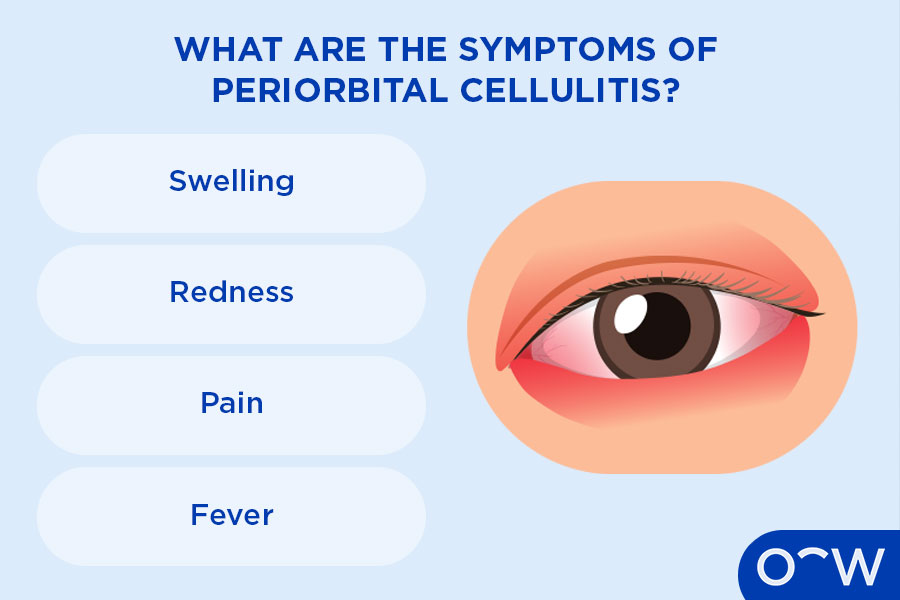
The symptoms of periorbital cellulitis include redness, swelling, pain, and fever. These symptoms are explained below.
- Swelling: Swelling and puffiness in the upper and lower eyelids is a common symptom of periorbital cellulitis.
- Redness: Redness in the upper and lower eyelids is a common symptom of periorbital cellulitis, with the area sometimes becoming purplish in colour.
- Pain: Pain is common; the area may feel tender to touch.
- Fever: Fever can occur with infection, as well as feeling unwell.
How Can You Tell Periorbital Cellulitis from Orbital Cellulitis?
You can tell periorbital cellulitis from orbital cellulitis as periorbital cellulitis affects the eyelid and skin anterior (in front of) the orbital septum (the boundary between the eyelids and deeper eye socket), whereas orbital cellulitis is a medical emergency that affects the tissues within the eye socket, according to RCH. The symptoms of orbital cellulitis are more extreme and can include blurry vision, pain on eye muscle movement and double vision. Any of these symptoms require prompt treatment with a medical practitioner.
Is Periorbital Cellulitis Different from a Stye?
Yes, periorbital cellulitis is different from a stye. A stye is a painful red bump on the edge of the eyelid due to a blockage in the eyelid oil gland that becomes infected. A stye may progress to periorbital cellulitis if the infection spreads to the surrounding eyelid.
How Is Periorbital Cellulitis Diagnosed?
Periorbital cellulitis is diagnosed through a physical examination by a doctor, as it is a potentially sight-threatening condition, according to RACGP. A GP will conduct a thorough physical examination, inspecting the eyelids, facial tissue, and eyeball, according to Children’s Health, Queensland. The examination involves ruling out a more severe condition called orbital cellulitis, which is a deeper infection, according to RACGP. If a physical examination cannot be completed, a doctor may request a CT scan or MRI to look deeper into the tissues.
When Should You See a Doctor for Periorbital Cellulitis?
You should see a doctor for periorbital cellulitis as soon as you notice swelling, redness, or pain around the eye, according to the Cleveland Clinic. It is important to seek prompt medical treatment for periorbital cellulitis, as it can spread deeper into the eye and cause further complications.
Does Periorbital Cellulitis Always Need Medical Tests?
No, periorbital cellulitis does not always need medical tests. A doctor can diagnose periorbital cellulitis by physically examining the area.
How Is Periorbital Cellulitis Treated?
Periorbital cellulitis is usually treated with a 5-7 day course of antibiotics, according to RCH. Treatment will involve close monitoring and strict review. If the infection is severe, does not improve with antibiotics, or the patient is under 1 year old, hospitalisation will be required for periorbital cellulitis, according to RCH.
Which Antibiotics Are Commonly Used for Periorbital Cellulitis?
The most commonly used antibiotics for periorbital cellulitis are cefalexin, amoxicillin/clavulanate, and flucloxacillin, according to RACGP. The uses of these antibiotics to treat periorbital cellulitis are explained below.
- Cefalexin: Cefalexin is a primary choice to treat periorbital cellulitis orally.
- Amoxicillin/Clavulanate: Amoxicillin and clavulanate are often used to treat periorbital cellulitis if there is a risk of certain penicillin-resistant bacteria.
- Flucloxacillin: Flucloxacillin is a common antibiotic used to treat periorbital cellulitis, and especially targets Staphylococcus aureus bacteria.
Can Periorbital Cellulitis Go Away Without Antibiotics?
No, periorbital cellulitis cannot go away without antibiotics. Periorbital cellulitis is a bacterial infection that requires prompt medical treatment to reduce the risk of further complications.
Can You Wear Prescription Glasses If You Have Periorbital Cellulitis?
Yes, you can wear prescription glasses if you have periorbital cellulitis, according to the South Eastern Sydney Local Health District (SESLHD). However, it is strictly advised to refrain from wearing contact lenses until the infection has cleared.
What Complications Can Periorbital Cellulitis Cause?
Periorbital cellulitis can lead to complications such as orbital cellulitis, orbital or subperiosteal abscess, cavernous sinus thrombosis, meningitis, and potentially vision loss. These serious complications are explained below.
- Orbital Cellulitis: Orbital cellulitis can occur if the infection spreads deeper into the soft tissues behind the orbital septum. Orbital cellulitis is a medical emergency characterised by pain with eye movement, double vision, and reduced visual acuity.
- Orbital or Subperiosteal Abscess: Orbital or subperiosteal abscess is when pus collects in tissues.
- Cavernous Sinus Thrombosis: Cavernous sinus thrombosis is a rare, potentially fatal disease where blood clots in the brain's venous system.
- Meningitis: Meningitis is Inflammation of the membranes surrounding the brain and spinal cord, resulting from the infection extending into the central nervous system.
- Vision Loss: Permanent or severe vision impairment can result in some cases due to pressure buildup on the optic nerve or tissue damage.
Is Periorbital Cellulitis Contagious?
No, periorbital cellulitis is not contagious, as it is a bacterial infection, according to the Cleveland Clinic.
Can Periorbital Cellulitis Spread to the Eye?
Yes, periorbital cellulitis can spread to the eye and become orbital cellulitis, which is a medical emergency, according to RACGP. Prompt medical attention is vital for this reason. Those with stye infections or periorbital cellulitis should avoid rubbing or excessively touching the eyelid to prevent the spread of bacteria to the orbit.
How Can You Prevent Periorbital Cellulitis?
To prevent periorbital cellulitis, ensure routine immunisations, treat skin injuries, manage infections, practice hand hygiene, treat chronic eyelid conditions, and clean contact lenses thoroughly. These preventative methods are explained below.
- Ensure Routine Immunisations: Ensure routine immunisations, particularly the annual flu shot and the Hib vaccine.
- Treat Skin Injuries: Treat skin injuries around the eyes immediately with mild soap and water to prevent infection.
- Manage Infections: Manage infections such as sinus infections proactively, as they are a major cause of periorbital cellulitis.
- Practice Hand Hygiene: Practice hand hygiene to limit the spread of bacteria.
- Treat chronic eyelid conditions: Treat chronic eyelid eye conditions such as chronic dry eye and blepharitis to prevent bacterial buildup and blockage of the eyelid glands.
- Clean contact lenses thoroughly: Clean contact lenses thoroughly and use them as instructed by the optometrist to prevent bacteria from encountering the eyelid and causing infections.
How Long Does It Take to Recover from Periorbital Cellulitis?
It usually takes 7 to 10 days of starting antibiotics to recover from periorbital cellulitis, according to RCH. It is recommended to get a checkup within 24 hours after beginning treatment to assess the body’s response. If the periorbital cellulitis does not respond well to treatment, further evaluation may be required.
Can Periorbital Cellulitis Come Back?
Yes, periorbital cellulitis can come back; however, it is uncommon and usually points to an underlying health problem, such as chronic dry eyes. To prevent recurrence, it is recommended to practice good eyelid hygiene, including moisturising the eyes with preservative-free lubricating eye drops, using warm compresses on the eyelids and cleaning with eyelid scrubs.
Do Blue Light Glasses Help with Periorbital Cellulitis Symptoms?
No, blue light glasses have no role or benefit in the prevention, treatment, or recovery of periorbital cellulitis. Blue light glasses may help improve daily visual comfort, minimise glare, and reduce eye fatigue, which could be useful during periorbital cellulitis recovery, but they cannot treat the infection, and evidence supporting their effectiveness is limited.