


 1300 164 990
Open vs Closed Angle Glaucoma
Published on August 17th, 2026
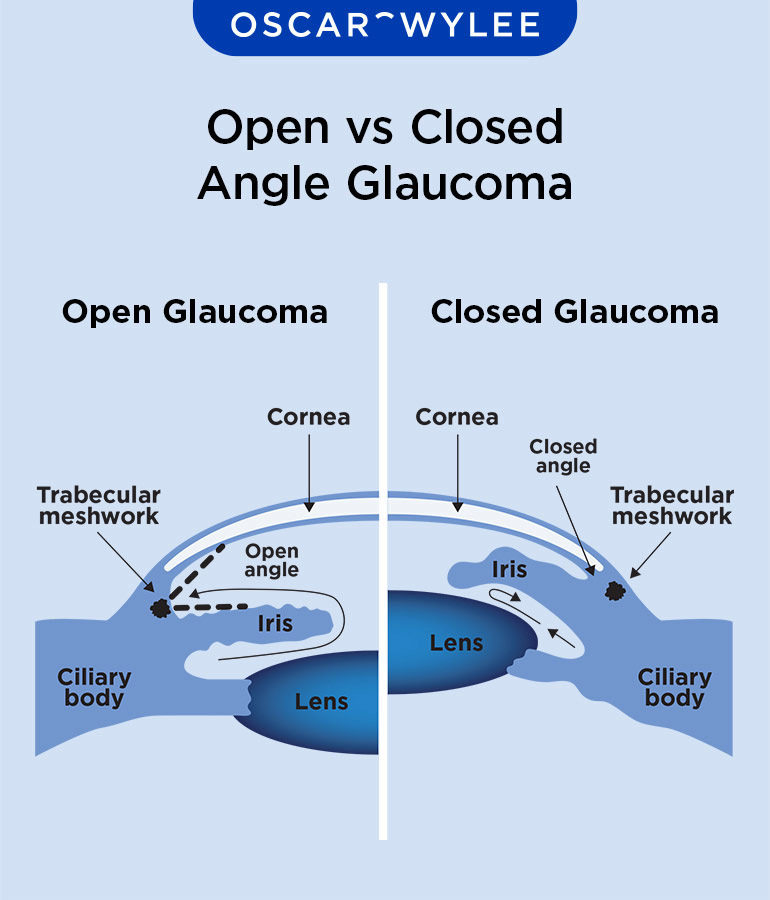
Open angle glaucoma and closed angle glaucoma are two different types of the eye condition, glaucoma. Glaucoma occurs when there is an increase in fluid pressure inside the eye, leading to damage to the optic nerve, according to Health Direct. Open-angle glaucoma occurs when the drain of the eye that moves fluid is wide open, while closed-angle glaucoma occurs when the drain of the eye is partially or fully obstructed, according to Glaucoma Australia. Read on for more about the characteristics, risk factors and treatment options for open angle glaucoma and closed angle glaucoma.
What is the Difference Between Open vs Closed Angle Glaucoma?
The difference between open angled and closed angle glaucoma is that open angle glaucoma is where the drain of the eye is wide open, while closed-angle glaucoma has the drain of the eye partially or fully obstructed, according to Glaucoma Australia. Closed angle glaucoma is notable for its more sudden, acute symptoms, meaning it escalates faster than open angle glaucoma.
What is Open Angle Glaucoma?
Open angle glaucoma is a chronic condition where the fluid pressure builds up in the front part of the eye, despite the fluid drainage pathways being open, according to Health Direct. There are two types of open angle glaucoma: primary and secondary open angle glaucoma. Primary angle open glaucoma occurs when the trabecular meshwork is partially blocked, but the drainage angle is still open. Secondary open angle glaucoma occurs when another condition causes increased intraocular pressure.
Is Open Angle Glaucoma the Most Common Type?
Yes, primary open-angle glaucoma is the most common type of glaucoma, according to Glaucoma Australia.
How does Closed Angle Glaucoma Develop?
Closed angle glaucoma develops when the eye's fluid drainage pathways become narrow or closed off, leading to a rapid fluid pressure build up, according to Health Direct.
Can Closed Angle Glaucoma Happen Suddenly?
Yes, closed angle glaucoma can happen suddenly, which is referred to as acute angle-closure glaucoma.
How do Open Angle and Closed Angle Glaucoma Affect the Eye?
Open angle and closed angle glaucoma affect the eye through differing symptoms. Open angle glaucoma can cause blind spots that can grow larger over time and halos around light, whereas closed angle glaucoma causes immediate, severe symptoms such as blurred vision, headaches, watery eyes and nausea, according to Health Direct.
How does Eye Drainage Differ Between the Two Types?
Eye drainage differs between the two types as open angle glaucoma is when the drain of the eye is wide open, whereas closed angle glaucoma is when the drain of the eye is partially or fully obstructed.
Does Eye Pressure Increase in Both Conditions?
Yes, in both open angle glaucoma and closed angle glaucoma there is an intense increase in eye pressure. However, in closed-angle glaucoma, the increase is typically sudden and severe, whereas in open-angle glaucoma, pressure may build up gradually over time. In some cases like Normal-Tension Glaucoma, vision loss can occur even with normal pressure levels.
How are Open Angle and Closed Angle Glaucoma Diagnosed?
Open angle and closed angle glaucoma are diagnosed through eye tests such as a tonometry, gonioscopy, perimetry and optical coherence tomography tests, according to Glaucoma Australia.
What Tests Help Tell the Difference?
The test that most likely tells the difference between open angle glaucoma or closed angle glaucoma is a gonioscopy. This test allows for a close up look of the drainage angle. It is used for diagnosing closed angle glaucoma and for open angle glaucoma to examine the drainage angle and ensure that there are no risks of angle closure, according to Mornington Peninsula Eye Clinic.
Can an Eye Test Confirm the Type of Glaucoma?
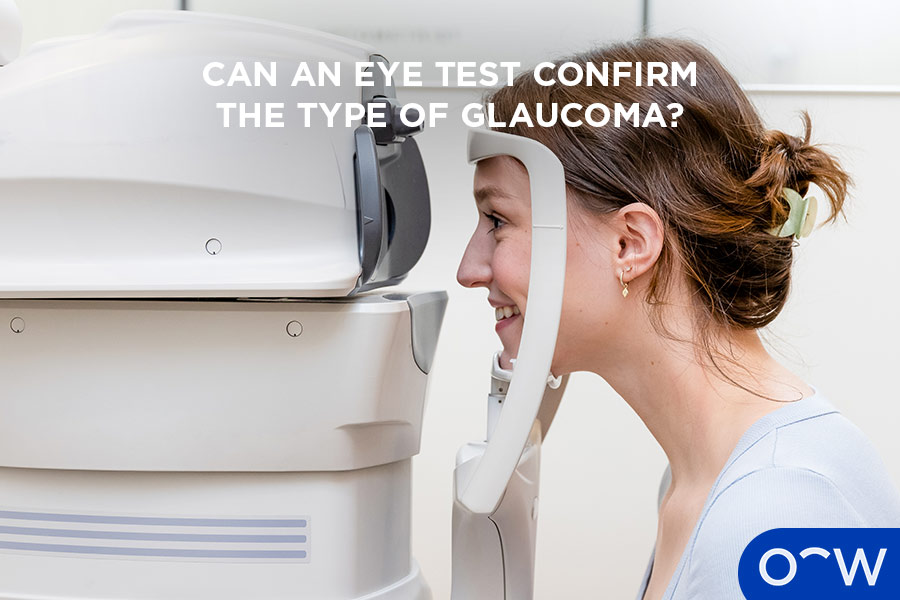
Yes. Optometrists and ophthalmologists use a combination of tests including gonioscopy which evaluates the eye's drainage angle, to help determine whether glaucoma is open-angle or closed-angle.
Who is Most at Risk for Open Angle vs Closed Angle Glaucoma?
Those who are at risk for open angle and closed angle glaucoma are those who are long-sighted, older people, women, and those of Asian descent, according to Glaucoma Australia.
What Risk Factors Increase the Chance of Each Type?
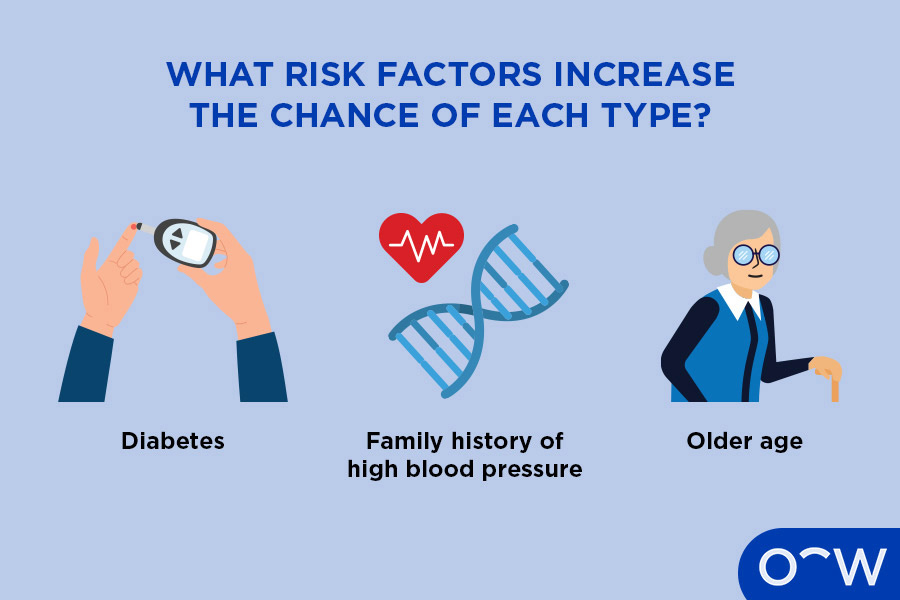
The risk factors that increase the chance of each type of glaucoma include those who suffer from diabetes, a family history of high blood pressure and older age. Read more about these risk factors below.
- Diabetes: Diabetes is known for being a significant risk factor for glaucoma. This is because diabetes damages blood vessels throughout the body which can alter blood flow in the eye, impacting nutrition and oxygen supply to the optic nerve, according to the Glaucoma Organisation.
- Family history of high blood pressure: Family history of high blood pressure can mean an individual can also be susceptible to high blood pressure, potentially affecting the eyes.
- Older age: Older age increases the likelihood of glaucoma. The risk of glaucoma becomes 1 in 8 by 80 years old, according to Glaucoma Australia.
Does Family History Increase Your Risk?
Yes, family history can increase your risk of glaucoma, making it ten times more likely to occur, according to Glaucoma Australia.
How does Glaucoma Progress Over Time?
Glaucoma progresses over time due to the aqueous fluid not leaving the eye as easily as it enters, leading to a buildup of eye pressure, according to Health Direct. The damage to the optic nerve as a result of this build up can damage vision. This progression is quicker in closed angle glaucoma whereas open angle glaucoma is a slower build up over time.
How Quickly Can Closed Angle Glaucoma Damage Vision?
Closed angle glaucoma is sudden and immediate, affecting vision instantaneously. This is why it is important to get immediate medical attention for closed angle glaucoma.
Does Open Angle Glaucoma Progress More Slowly?
Yes, open angle glaucoma progresses more slowly compared to closed angle glaucoma, which is known for progressing rapidly.
What is the Long Term Outlook for Open vs Closed Angle Glaucoma?
The long term outlook for open vs closed angle glaucoma differs as open-angle glaucoma is chronic, meaning it lasts for a long time and often gets worse, while angle closure glaucoma is acute, meaning it will last a short time with immediate effects, according to Health Direct. Because closed angle glaucoma presents symptoms immediately, treatment should be prompt to avoid long term damage.
Can People With Glaucoma Maintain Their Vision?
Yes, people with glaucoma can maintain their vision by getting early and regular medical care and undertaking treatment measures as recommended.
What Follow Up Care Is Needed After Treatment?
You should ensure you know when the next doctor's appointment is for follow up care after treatment. At each appointment, you should clarify with your doctor which eye drops you should be taking, and ask for clarification if necessary on how to administer them. You will be asked to wear a clear plastic shield at night to protect your eye from accidentally rubbing on the bed surface, according to South Eastern Sydney Local Health District. Avoid any contact or high stress activities while recovering until the doctor says it is ok to do, such as heavy lifting and sports.
What are the Best Treatments for Open vs Closed Angle Glaucoma?
The best treatments for open vs closed angle glaucoma are generally the same. These include eye drops, laser procedures or oral medications, according to Glaucoma Australia. Read more about these treatment options below.
- Eye drops: Eye drops are a common form of treatment for glaucoma. They work to reduce the amount of aqueous fluid that secretes into the eye or increases the outflow of aqueous fluid from the drainage angle.
- Laser procedures: Laser procedures are applied to the iris or the trabecular meshwork of the eye to allow aqueous fluid to flow smoothly within the eye.
- Oral medications: Oral medications are sometimes taken by those with open angle glaucoma, to lower intraocular pressure. They are a short term measure for controlling high intraocular pressure before going to laser or surgery treatment.
How is Open Angle Glaucoma Treated?
Open angle glaucoma is treated typically through eye drops or laser procedures. Eye drops are used to lower the intraocular pressure of the eye and need to be administered at least once a day, with some people needing more than one eyedrop, according to Mornington Peninsula Eye Clinic. If this is ineffective, a laser procedure known as selective laser trabeculoplasty to allow for increased fluid outflow through the anterior angle can be performed.
Can Early Treatment Help Protect Vision?
Yes, early treatment may help protect vision. It is important for those who are experiencing signs of glaucoma to seek professional help immediately.