


 1300 164 990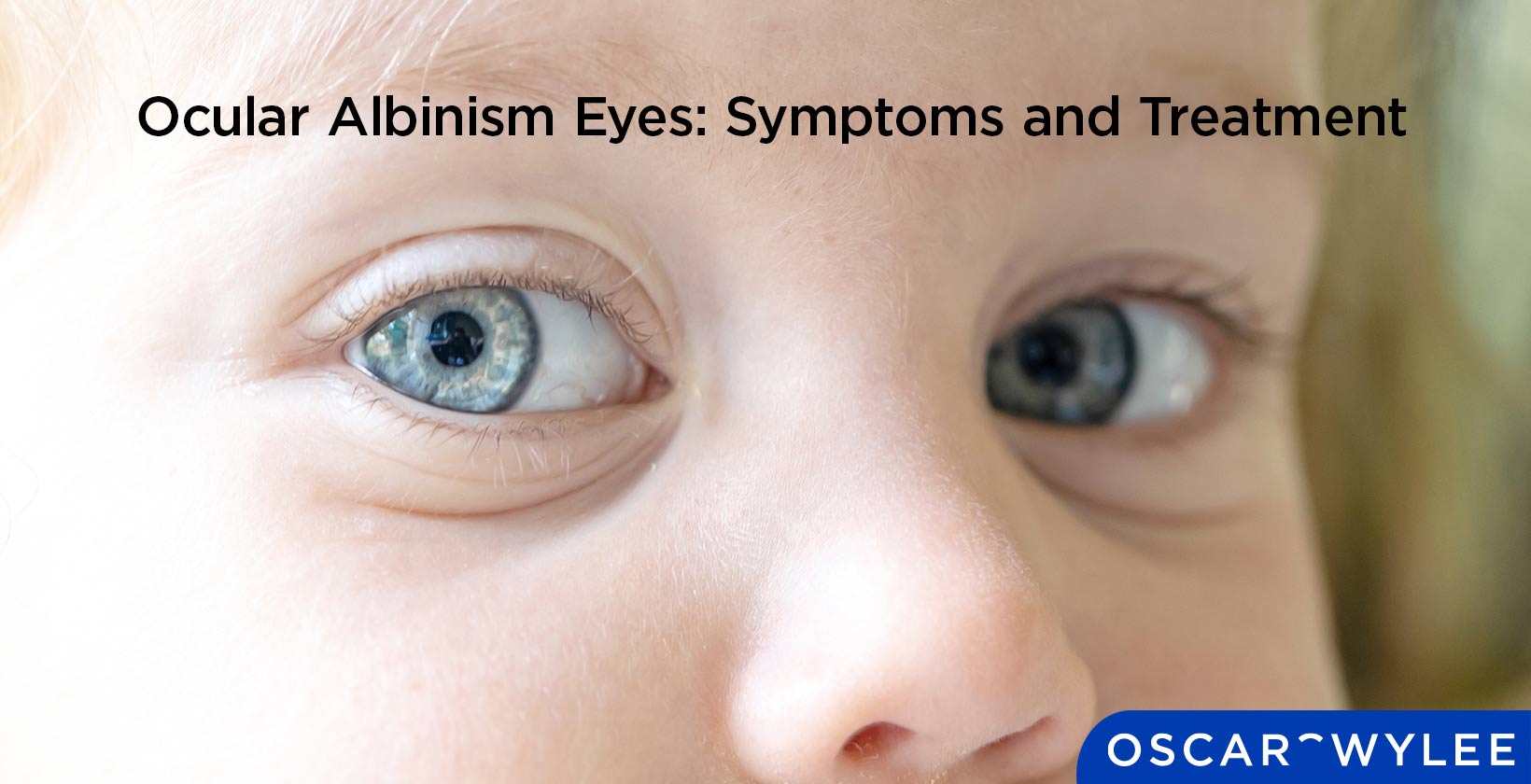
Ocular Albinism Eyes: Symptoms and Treatment
Published on June 26th, 2026
Ocular albinism is a form of albinism, a genetic condition that affects the body's ability to produce melanin, according to Vision Australia. Ocular albinism solely affects the eyes, giving them a pale appearance. Symptoms of ocular albinism can include blurred vision, sensitivity to light, nystagmus, and poor depth perception, according to the Mayo Clinic. There is no cure; however, it is important to seek treatment for vision-related issues that emerge as a result of ocular albinism.
What is Ocular Albinism?
Ocular albinism is a type of albinism that involves only the eyes, in which there will be no or very little pigment present, according to Health Direct. The skin and hair are unaffected by this lack of pigment, unlike the other form of albinism, which is called oculocutaneous albinism.
How does Ocular Albinism Affect the Eyes?
Ocular albinism affects the eyes as it leads to a reduced or lack of melanin in the retina and foveal hypoplasia, according to the Albinism Fellowship of Australia, a national non-profit organisation run by volunteers who have albinism. Those with ocular albinism will have light coloured and even violet-hued irises due to a lack of pigment inside the eye. Foveal hypoplasia is common among those with ocular albinism. The fovea is a tiny pit located in the back of the eye, which is part of the retina. This condition involves an underdevelopment of the fovea, leading to reduced visual acuity and visual processing.
How is Ocular Albinism Different from Oculocutaneous Albinism?
Ocular albinism is different from oculocutaneous albinism as it solely affects the eyes, which are deficient in melanin, while in oculocutaneous albinism, there is a lack of pigment in the skin, hair, and eyes, according to Vision of Children Organisation.
Are These Two Types of Albinism the Same?
No, these two types of albinism are not the same. While both affect the eyes, ocular albinism solely affects the eyes, while oculocutaneous albinism affects the skin, hair and eyes.
What do Ocular Albinism Eyes Look Like?
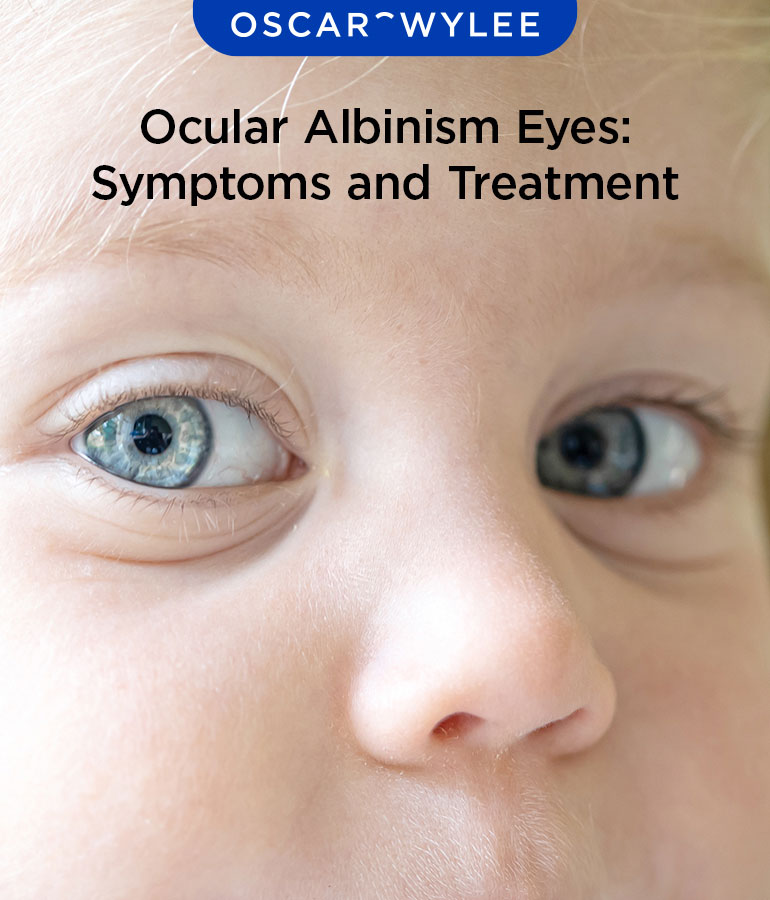
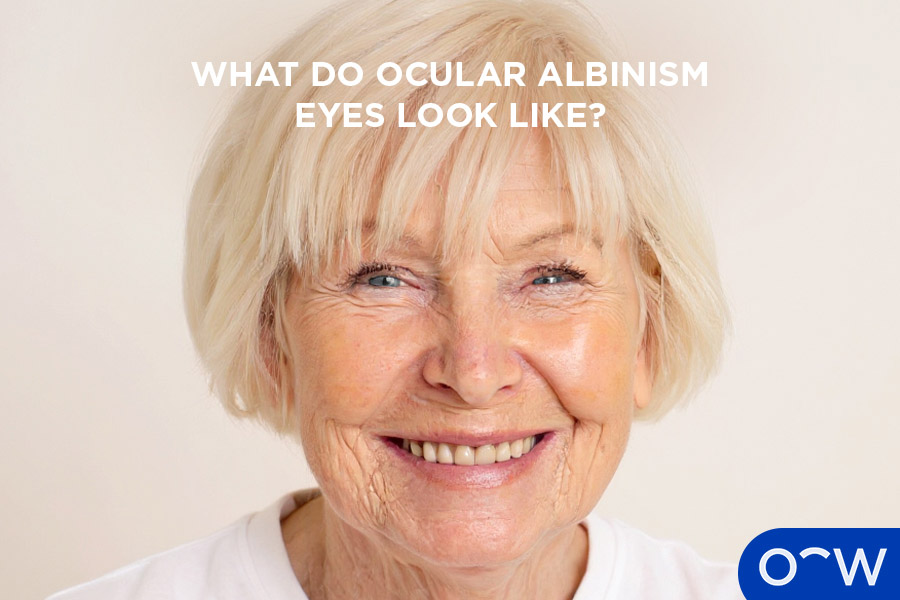
Ocular albinism eyes can vary in colour from light grey or violet, blue and in some cases brown, according to the Albinism Fellowship of Australia.
What Eye Colours Can People With Ocular Albinism Have?
The eye colours that people with ocular albinism can have include light grey, blue and hazel, although they can also look pink in the light, according to Health Direct.
Do People With Albinism People Have Red Eyes?
No, people with albinism do not have red eyes. It is a common myth that people with albinism have red eyes when, in reality, it is only certain lighting conditions that can give this appearance, as the blood vessels at the back of the eye can be seen, according to the National Organisation for Albinism and Hyperpigmentation.
What Symptoms are Common in Ocular Albinism Eyes?
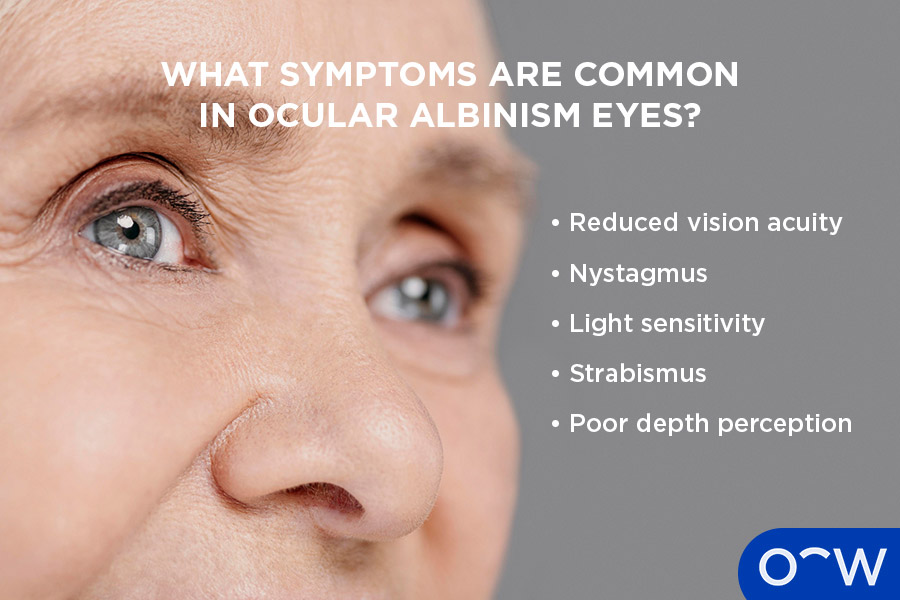
The symptoms that are common in ocular albinism eyes are reduced visual acuity, nystagmus, light sensitivity, strabismus and poor depth perception. Read more about the symptoms that are common in Ocular Albinism eyes below.
- Reduced visual acuity: Reduced visual acuity, also referred to as blurry vision will occur as those with ocular albinism will struggle to see fine details and shapes in clarity.
- Nystagmus: Nystagmus refers to the involuntary movement of the eyes that causes them to flicker. This is common among those with ocular albinism.
- Light sensitivity: Light sensitivity is common among those with ocular albinism as individuals will have problems adjusting to bright settings and glare.
- Strabismus: Strabismus refers to the misalignment of the eyes, resulting in low or double vision, common amongst those with Ocular Albinism.
- Poor depth perception: Poor depth perception can occur as the nerve signals from the retina to the brain do not follow the usual nerve routes, according to the Albinism Fellowship of Australia. Because of this abnormality, the primary visual cortex receives some inaccurate output, resulting in visual impairments such as a lack of depth perception.
Why do Ocular Albinism Eyes Shake or Move Involuntarily?
Ocular albinism eyes shake or move involuntarily as one of the symptoms of this condition is nystagmus, which is involuntary movement of the eyes, according to Vision Australia Organisation. Nystagmus will affect those with ocular albinism to varying degrees, and it typically declines with age, according to Vision for Tomorrow Foundation.
Why are People With Ocular Albinism Sensitive to Bright Light?
People with ocular albinism are sensitive to bright light due to the lack of pigment or melanin in the retina, according to the Albinism Fellowship of Australia. This lack of melanin means stray light is not absorbed, leading to light sensitivity, formally known as photophobia.
Do All People With Ocular Albinism Have Nystagmus?
Yes, people with ocular albinism will highly likely have nystagmus. However, it will present to varying degrees in people with albinism, according to Vision for Tomorrow.
How Does Ocular Albinism Affect Vision?
Ocular albinism affects vision as it leads to blurred vision and depth perception. It can also lead to light sensitivity, nystagmus, strabismus and refractive errors such as myopia, according to the School of Special Needs Australia.
Why Does Low Pigment in the Eyes Cause Vision Problems?
Low pigment in the eyes causes vision problems, as a lack of pigment leads to a decreased ability to process visual input and absorb stray light, leading to reduced visual acuity and light sensitivity, according to Vision for Tomorrow Organisation.
Can People With Ocular Albinism See Normally?
No, people with ocular albinism typically do not see normally. They will have varying degrees of blurred vision, light sensitivity and nystagmus. Vision levels for those with ocular albinism will depend on the individual.
Can Ocular Albinism Cause Night Blindness?
Ocular albinism is not directly correlated with night blindness. However, it is more than likely that those with ocular albinism do not have sufficient night vision.
How is Ocular Albinism Diagnosed?
Ocular albinism is diagnosed by an ophthalmologist or optometrist who will be able to identify albinism in a person with no or very little melanin by looking into the back of the eye, according to the Albinism Fellowship of Australia.
What Eye Tests are Used to Confirm Ocular Albinism?
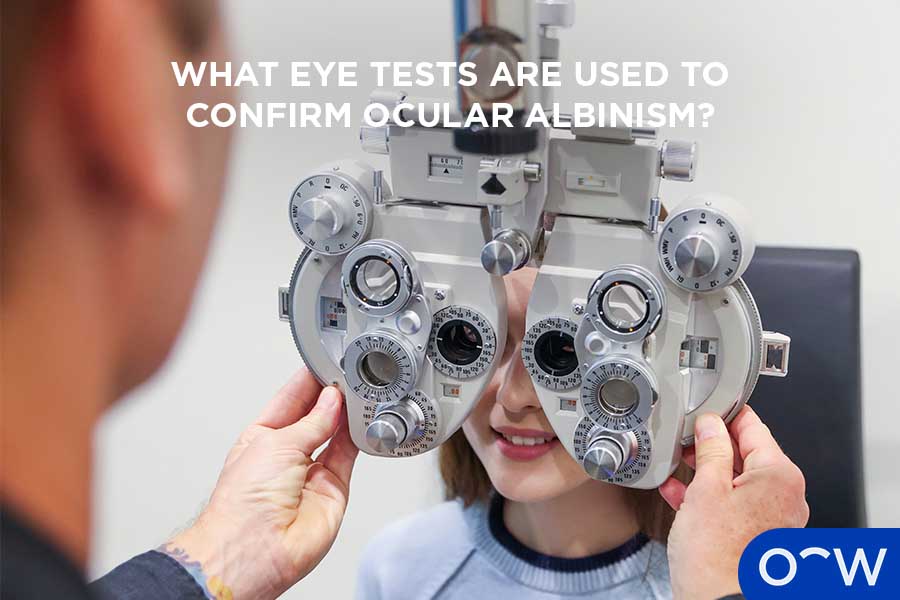
An ophthalmologist or optometrist will be able to identify ocular albinism by looking into the back of the eye, where there will be no or very little colour in the retina, according to the Albinism Fellowship of Australia. Other traits detected by these eye health professionals, such as nystagmus, blurry vision, or lack of depth perception, will confirm the presence of ocular albinism. Eye tests such as a Snellen Chart will be able to gauge how vision is impacted.
Can Doctors Detect Ocular Albinism Early?
Yes, doctors can detect ocular albinism early. It is often obvious from a baby's appearance when they're born, meaning ocular albinism will likely be diagnosed at birth, with genetic testing undertaken, according to Health Direct.
Is Ocular Albinism One of the Rare Genetic Eye Diseases?
Yes, ocular albinism is considered one of the rare genetic eye diseases, reportedly affecting one male in 20,000 births, according to the National Organization for Rare Disorders.
What Treatments are Available for Ocular Albinism?
The treatments that are available for ocular albinism include prescription glasses, low vision devices, polarised sunglasses and transition lenses. It should be noted that these are not cures for ocular albinism, but rather ways to manage vision issues. The treatments that are available for ocular albinism are listed below.
- Prescription glasses: Prescription glasses may be given to treat refractive errors that those with ocular albinism may have.
- Low vision devices: Low vision devices can be helpful for those with ocular albinism for easier completion of daily tasks.
- Polarised sunglasses: Polarised sunglasses reduce sun glare and block UV rays, which may be valuable for those with ocular albinism, as they have light sensitivity.
- Transition lenses: Transition lenses automatically darken in bright conditions for a convenient way to manage light sensitivity in ocular albinism.
Prescription Glasses
Prescription glasses can be prescribed by optometrists for patients who are long-sighted or short-sighted. These will correct refractive errors that those with ocular albinism may have, to improve daily vision.
Low Vision Devices
Low vision devices can be invaluable for those with ocular albinism. Magnifiers, which can help with daily tasks such as reading, are a common low vision device. They can come in many forms, such as handheld magnifiers, telescopes and video camera magnifiers.
Polarised Sunglasses
Polarised sunglasses are a good option for those with ocular albinism when outdoors. Polarised sunglasses provide UV protection and reduce high levels of sun glare, perfect for those with light sensitivity.
Transition Lenses
Transitions® GEN S™ lenses are a convenient option for those with ocular albinism. They provide clarity for those with refractive errors if they have a prescription, and transition automatically to dark when in the sunlight. This can help mitigate light sensitivity that typically emerges as a result of ocular albinism.
Is There a Cure for Ocular Albinism?
No, there is currently no cure for ocular albinism.
What is Life Like for People With Ocular Albinism Eyes?
Life for people with ocular albinism is generally similar to that of those without ocular albinism. However, those with ocular albinism will likely need regular eye care throughout their life in order for their vision to be taken care of effectively.
How Can People Manage Daily Activities With Vision Loss?
People can manage daily activities with vision loss as a result of ocular albinism using treatment measures recommended by health professionals. Prescription glasses, sunglasses, and low vision devices are all equipment that can improve eyesight and help make daily activities easier.
Can People With Ocular Albinism Live Independent Lives?
Yes, people with ocular albinism can definitely live independent lives with vision treatment equipment specific to their needs.