


 1300 164 990
Neovascular Glaucoma: Meaning and Treatment
Published on March 26th, 2026
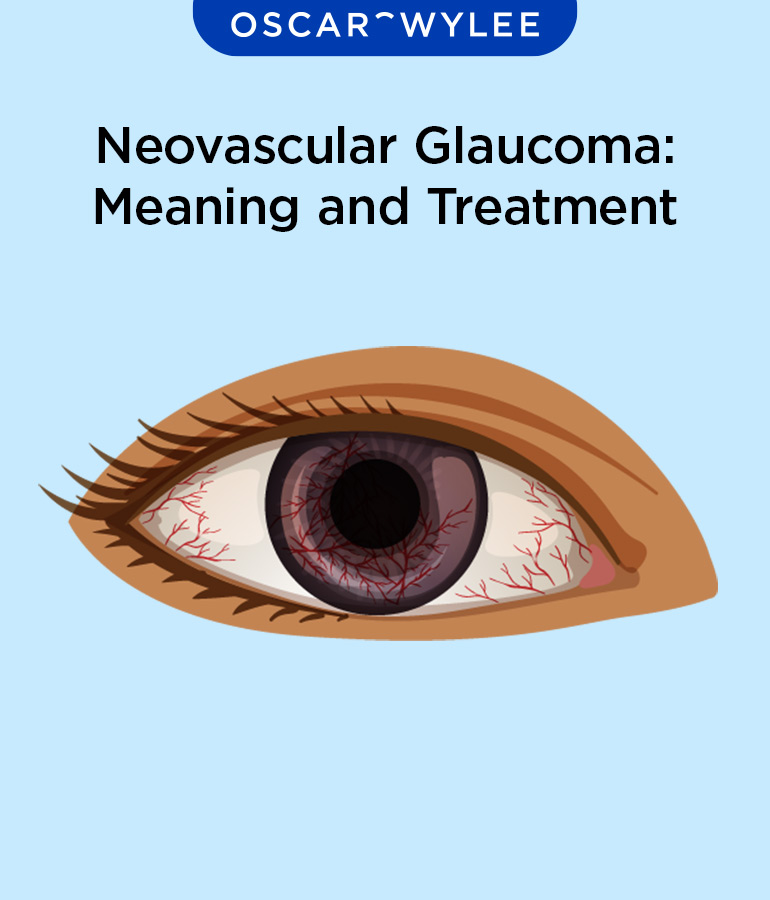
Neovascular glaucoma is a severe case of secondary glaucoma that stems from the growth of new blood vessels on the angle of the anterior chamber. Neovascular glaucoma can lead to significant vision loss and is considered difficult to manage. The causes of neovascular glaucoma may include retinal vein occlusion, advanced diabetic eye disease and ocular ischaemic syndrome, according to Glaucoma Australia. Patients with neovascular glaucoma may experience symptoms such as increased intraocular pressure, eye pain, and more potential harm to vision. Treating this condition may require focusing on controlling the increased pressure and identifying the underlying cause.
What is Neovascular Glaucoma (NVG)?
Neovascular glaucoma is characterised by the formation of new blood vessels within the anterior chamber angle of the eye, disrupting the eye's drainage system, leading to a severe form of glaucoma. Neovascular glaucoma is typically caused by a reduced supply of oxygen in the retina, signalling the choroid to grow new blood vessels as a response. The new vessels can cause a blockage, causing fluid to build up and increase ocular pressure, ultimately causing neovascular glaucoma. This condition is commonly associated with conditions such as central retinal vein occlusion, diabetic retinopathy, or ocular ischemic syndrome, according to Eye Wiki.
Is Neovascular Glaucoma Caused by Abnormal New Blood Vessel Growth in the Eye?
Yes, neovascular glaucoma may be caused by abnormal blood vessel growth over the drainage pathways in the eye. Neovascular glaucoma is often linked to eye conditions that disrupt proper blood flow to the retina, which causes a growth factor known as vascular endothelial growth factor or VEGF. This is what helps the formation of new blood vessels that are weak and vulnerable, leading to bleeding and inflammation.
What Causes Neovascular Glaucoma to Develop?
What causes neovascular glaucoma to develop can include proliferative diabetic retinopathy, retinal vein occlusion, and ocular ischemic syndrome. The potential causes of neovascular glaucoma are listed below.
- Proliferative Diabetic Retinopathy: Proliferative diabetic retinopathy may be a cause of neovascular glaucoma if diabetes is severe and untreated.
- Retinal Vein Occlusion: Retinal vein occlusion can contribute as a cause in developing neovascular glaucoma and can occur when one of the veins in the retina becomes blocked.
- Ocular Ischemic Syndrome: Ocular ischemic syndrome is defined as a severe condition that can arise from reduced blood flow to the eye and can lead to the increased risk of developing neovascular glaucoma.
Which Retinal Diseases Commonly Trigger Neovascular Glaucoma?
The retinal diseases that can commonly trigger neovascular glaucoma may include proliferative diabetic retinopathy, retinal vein occlusion and ocular ischemic syndrome. The retinal diseases that may commonly trigger neovascular glaucoma are listed below.
- Proliferative Diabetic Retinopathy: Proliferative diabetic retinopathy is considered the most advanced stage of diabetic eye disease, especially when poorly controlled, can trigger the abnormal growth of blood vessels, leading to the development of neovascular glaucoma.
- Retinal Vein Occlusion: Retinal vein occlusion refers to a blockage in one of the retinal veins that can disrupt normal blood flow, which may contribute to the development of neovascular glaucoma.
- Ocular Ischemic Syndrome: Ocular ischemic syndrome is considered a serious condition that can result from reduced ocular blood supply and can be associated with the increased risk of developing neovascular glaucoma.
Proliferative Diabetic Retinopathy
Proliferative diabetic retinopathy is the most advanced stage of diabetic eye disease, potentially caused by the growth of new blood vessels in the retina. Proliferative diabetic retinopathy may be a likely cause of neovascular glaucoma as it can damage the retinal blood vessels, which can then lead to the development of new blood vessels along the iris and drainage angle. This can block the eye's drainage system and cause a build-up of fluid, which can result in increased pressure, according to Tang et al., (2023).
Retinal Vein Occlusion
Retinal vein occlusion can be a likely cause of neovascular glaucoma due to the consequential ischemia in the retina from causes such as a vein blockage. Neovascular glaucoma occurs as a result of retinal vein occlusion due to the blockage of the vein, causing a severe lack of oxygen, triggering the growth of new blood vessels. These new blood vessels can block the eye's drainage system, leading to a marked increase in intraocular pressure and, hence, neovascular glaucoma.
Ocular Ischemic Syndrome
Ocular ischemic syndrome is characterised as a severe vascular condition that can arise when the retina does not receive optimal nutrients and oxygen. This can then lead to the development of new blood vessels, obstructing the eye's drainage system, initiating neovascular glaucoma.
Can Diabetic Retinopathy Cause Neovascular Glaucoma?
Yes, diabetic retinopathy can cause neovascular glaucoma due to its consequential oxygen and blood deprivation, triggering the growth of abnormal vessels. The new vessels that grow in response are leaky and weak and the new vessels that grow in response are leaky and weak and can form a network across the eye's drain angle, reducing outflow and increasing intraocular pressure, causing neovascular glaucoma.
Why is Neovascular Glaucoma Sometimes Called 100 Day Glaucoma?
Neovascular glaucoma may sometimes be called 100-day glaucoma due to its onset typically occurring around 90-100 days after central retinal vein occlusion, according to Havens and Gulati (2017). However, while neovascular glaucoma has been referred to as 90 or 100-day glaucoma historically, it can ensue anywhere between 2 weeks and 2 years after initial retinal vein occlusion.
How does Retinal Ischemia Lead to Rapid NVG Development?
Retinal ischemia may lead to rapid NVG development as it can cause a state of oxygen starvation that can trigger the release of VEGF. This protein causes abnormal blood vessels to develop across the eye's drainage angle, physically blocking the eye's fluid from flowing out, causing a rapid increase in ocular pressure, according to Urbonavičiūtė et al., (2022).
How does Neovascular Glaucoma Affect Eye Pressure?
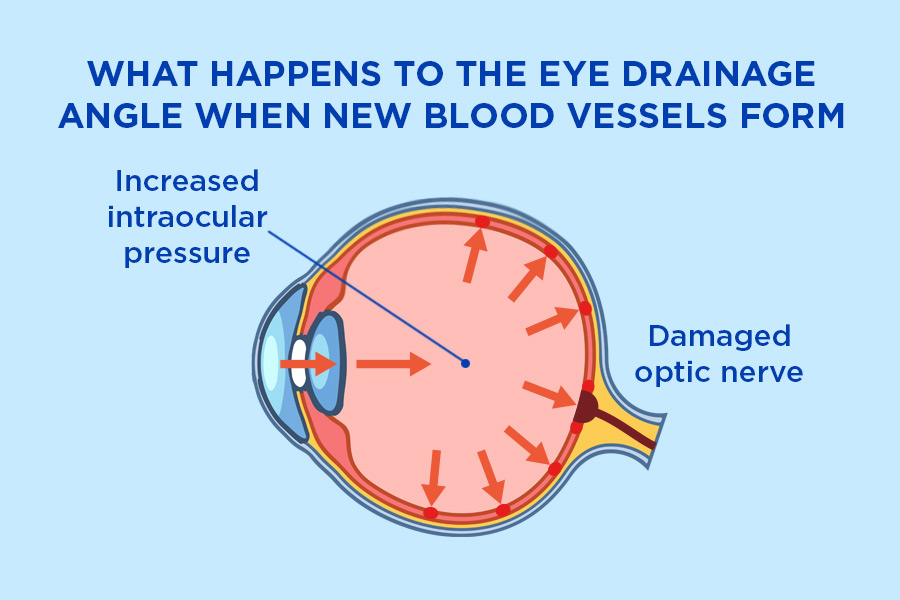
Neovascular glaucoma can affect eye pressure by growing new blood vessels, blocking the eye's natural fluid drainage pathways. The blockage then causes a buildup of fluid, leading to increased intraocular pressure, which can damage structures within the eye, affecting vision.
What Happens to the Eye's Drainage Angle When New Blood Vessels Form?
The eye's drainage angle can become blocked when new blood vessels form as they develop along the drainage angle. The drainage angle of the eye, also known as the 'angle' of the eye, is the section between the iris and cornea and helps maintain eye pressure through the trabecular meshwork, where the fluid flows out. The new vessels that form are weak and leaky, which results in scarring and due to their location of growth, over the drainage channels, the eye fluid cannot drain properly, according to Radhakrishnan, MD from the Glaucoma Research Foundation.
Does Neovascularisation Block Aqueous Humour Outflow?
Yes, neovascularisation can block aqueous humour outflow as the new vessels physically hinder the fluid from draining out of the eye. Neovascularisation refers to the growth of new blood vessels along the drainage angle as a survival response to the lack of blood or oxygen in the eye. The vessels that grow, however, are weak and leaky and can result in scar tissue forming, obstructing the drainage angle and causing eye pressure to build up.
What Symptoms Can Indicate Neovascular Glaucoma?
The symptoms that may indicate neovascular glaucoma can include eye pain, red eye, blurred vision and loss of vision. The symptoms that can indicate neovascular glaucoma are listed below.
- Eye Pain: Eye pain can be a symptom of neovascular glaucoma due to the increased pressure inside the eye, which itself can cause discomfort and press on the structures in the eye.
- Red Eye: Red eyes may ensue as a result of neovascular glaucoma, potentially from the abnormal growth of new blood vessels along the drainage angle.
- Blurred Vision: Blurry vision can arise during neovascular glaucoma from the initial development of diabetic retinopathy, being the most common cause of neovascular glaucoma.
- Loss of vision: Loss of vision can be a symptom of neovascular glaucoma, as the increased pressure in the eye can cause damage to important structures.
Eye Pain
Eye pain can occur as a symptom of neovascular glaucoma mainly due to the significant increase in intraocular pressure. The growth of new vessels blocking the eye's drainage pathways and hindering optimal fluid outflow leads to the pressure build-up and consequential eye pain.
Red Eye
Red eyes can come about when experiencing neovascular glaucoma as a result of the new blood vessels that are fragile and grow along the drainage angle. The newly grown blood vessels on the iris may be more visible, and the high intraocular pressure may also contribute to the inflamed and, therefore, red hue. The new blood vessels, being fragile, can cause bleeding inside the eye, also contributing to the appearance of red eyes.
Blurred Vision
Blurred vision can ensue during neovascular glaucoma, similarly to the increased pressure in the eye. The blockage of the fluid properly draining from the eye can cause damage to the optic nerve, causing impaired or blurred vision, as well as from the retinal ischemia.
Loss of Vision
Loss of vision from neovascular glaucoma may occur as the increased pressure can potentially damage the optic nerve, which can contribute to loss of vision. The increased pressure is caused by the blocked drainage angle in the eye and can push on the internal structures of the eye.
How do Vision Changes Develop as Neovascular Glaucoma Progresses?
Vision changes may worsen as neovascular glaucoma progresses; however, this may likely depend on the patient's condition and other health factors. Neovascular glaucoma can lead to vision loss and blindness in severe cases, as the increased pressure can damage the optic nerve, which is what helps the eye to carry transmitted signals from the retina to the brain.
Can Neovascular Glaucoma Cause Blurred Vision?
Yes, neovascular glaucoma can cause blurred vision due to the increased pressure in the eye. Due to the blockage of fluid, increasing intraocular pressure can cause swelling, which can contribute to blurry vision. If the ocular pressure remains, it can also physically compress the optic nerve and blur vision.
What Causes Eye Pain and Redness in Neovascular Glaucoma?
The causes of eye pain and redness in neovascular glaucoma can be from the increased pressure in the eye, inflammation and corneal edema. High intraocular pressure may trigger eye pain and redness as the rapid pressure rise may affect the cornea, iris and ciliary body. The abnormal vessels that are triggered by retinal ischemia are usually fragile and can leak, leading to inflammation, which can also cause eye pain and redness. Swelling due to the high eye pressure can also contribute to eye pain and redness in neovascular glaucoma.
Why do Patients Experience Severe Ocular Discomfort in NVG?
Patients may experience severe ocular discomfort due to NVG as a result of the high pressure in the eye. Oxygen or blood starvation in the eye can trigger the abnormal growth of new blood vessels as compensation, leading to the blockage of the eye's drainage system. This then leads to the high pressure in the eye, and therefore, what contributes to the ocular discomfort during NVG.
Can Neovascular Glaucoma Cause Red or Bloodshot Eyes?
Yes, neovascular glaucoma can cause red or bloodshot eyes due to the accompanying complications. The abnormal growth of new blood vessels on the iris and drainage angle, the increased pressure in the eye itself and the abnormal vessels that can bleed leading to inflammation, are all possible causes for red or bloodshot eyes.
How do Eye Doctors Diagnose Neovascular Glaucoma?
Eye doctors can diagnose neovascular glaucoma through a slit-lamp examination, fluorescein angiography, gonioscopy, tonometry and fundus exam. A slit-lamp examination and fluorescein angiography can assist with checking the eye for any newly grown vessels on the iris. A gonioscopy can aid in identifying new vessels in the anterior chamber angle prior to their appearance on the iris' surface. Tonometry can help with assessing ocular pressure and a fundus exam can help with detecting underlying causes often linked to neovascular glaucoma, such as retinal vein occlusion and diabetic retinopathy. While optometrists will be able to diagnose neovascular glaucoma, they will then refer you to an eye doctor or also known as an ophthalmologist for further evaluation and treatment.
Can a Comprehensive Eye Test Detect Early Signs of NVG?
Yes, a comprehensive eye test can detect early signs of NVG. A comprehensive eye test initially conducted by an optometrist will be able to identify the early signs of neovascular glaucoma and can then refer you to an ophthalmologist. It is important to get your eyes tested if you experience any changes to your vision to ensure early detection.
What Treatments are Available for Neovascular Glaucoma?
The treatments that are available for neovascular glaucoma can include eye drops, oral agents and intravitreal injections. The primary goals of treating neovascular glaucoma revolve around first addressing the intraocular pressure and identifying and treating the underlying cause, according to Glaucoma Australia. The list of treatments available for neovascular glaucoma is listed below.
- Eye Drops: Eye drops may be used as treatment for neovascular glaucoma in order to reduce the production of aqueous fluid, ultimately to decrease ocular pressure.
- Oral Agents: An oral agent, such as acetazolamide, may be additionally required to aid in controlling intraocular pressure.
- Intravitreal Injections: Intravitreal injections may be available to help treat neovascular glaucoma, to stop stress response chemicals, or growth factors. The injection is inserted into the eye to rapidly disrupt the neovascular process, but is not considered a complete treatment on its own.
How do Doctors Lower Eye Pressure in Neovascular Glaucoma?
Doctors may lower eye pressure in neovascular glaucoma by using certain eye drops or medications. Doctors may first use eye drops and medications such as beta blockers or alpha-2 agonists to reduce eye pressure, address inflammation or resort to stronger oral medications, according to Rodrigues et al., (2016).
Can Medications Help Reduce Intraocular Pressure in NVG?
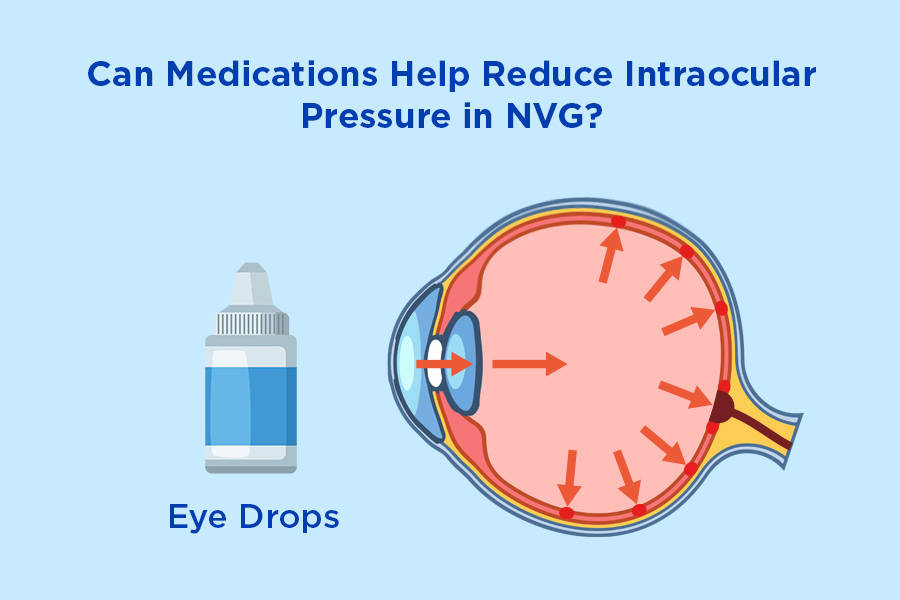
Yes, medications may help reduce intraocular pressure in NVG and include eye drops and oral medications. Eye doctors may likely opt for eye drops and medications as a first choice of treatment when controlling high intraocular pressure in NVG.
How is Neovascular Glaucoma Different from Other Types of Glaucoma?
Neovascular glaucoma is different from other types of glaucoma as it stems from the growth of new blood vessels in the eye, which blocks the eye's drainage system. It is often linked to other eye diseases, such as diabetic retinopathy or central retinal vein occlusion and may be more complicated to treat as it revolves around eye pressure reduction and addressing the underlying cause. Other types of glaucoma may progress more slowly, while neovascular glaucoma is considered secondary and more aggressive.
What Makes NVG More Aggressive Than Primary Glaucoma?
What makes NVG more aggressive than primary glaucoma may be due to its more rapid progression of vision loss. The consequences of severe ischemia and growth of new blood vessels, which cause obstruction where the eye's fluids flow out, are also what might make NVG more aggressive than glaucoma.
Is Neovascular Glaucoma Considered a Secondary Glaucoma?
Yes, neovascular glaucoma is considered a secondary glaucoma. According to Mishra and Meyer (2022), neovascular glaucoma is defined as a secondary glaucoma characterised by the growth of new blood vessels on the iris and angle of the anterior chamber.
What Complications Can Occur if Neovascular Glaucoma Is Not Treated?
The complications that can occur if neovascular glaucoma is not treated can potentially lead to severe visual impairment. According to Rakusiewicz-Krasnodębska et at., (2025), the management of NVG requires a complex approach of including both management of intraocular pressure and treatment of the underlying retinal ischemia.
How does Untreated NVG Affect Vision Over Time?
Untreated NVG may worsen vision over time, potentially leading to blindness. According to Urbonavičiūtė et al., (2022), untreated neovascular glaucoma may progress from secondary open-angle glaucoma to angle-closure glaucoma, resulting in irreversible blindness. Due to the risk of blindness, NVG is considered an ophthalmic emergency.
Can Untreated Neovascular Glaucoma Cause Permanent Vision Loss?
Yes, untreated neovascular glaucoma can cause permanent vision loss. The resulting vision loss from neovascular glaucoma when untreated will, however, depend on the severity of the condition and the individual. According to Drinkwater et al., (2018), neovascular glaucoma usually results in vision loss and carries a poor prognosis.