


 1300 164 990
Depth Perception: Definition, Causes and Examples
Published on July 6th, 2026
Depth perception is the ability for someone to see objects in three dimensions, including their size and how far away the object is from you, according to the Cleveland Clinic. Depth perception is used subconsciously for mundane daily tasks such as crossing the road or pouring a glass of water. Conditions such as strabismus, diplopia and neurological conditions can reduce levels of depth perception for individuals. Read more about depth perception, including treatments, its importance and what can affect it.
It is important to note that Oscar Wylee offers optometry services only; this article is for educational purposes only and is not a substitute for professional medical advice, diagnosis, or treatment.
What is Depth Perception?
Depth perception is defined as the ability to see objects in your vision in three dimensions, according to the Cleveland Clinic. The eyes and brain work together to process the visual stimuli and their approximate location from where you are standing.
How does the Mind Perceive Spatial Depth?
The mind perceives spatial depth by using information from both eyes (binocular cues) and context clues like shadows, size, and movement (monocular cues).
Is Depth Perception the Ability to Judge Distance?
Yes, depth perception is the ability to judge the distance of objects and how close or far away they are to you.
Why is Depth Perception Important?
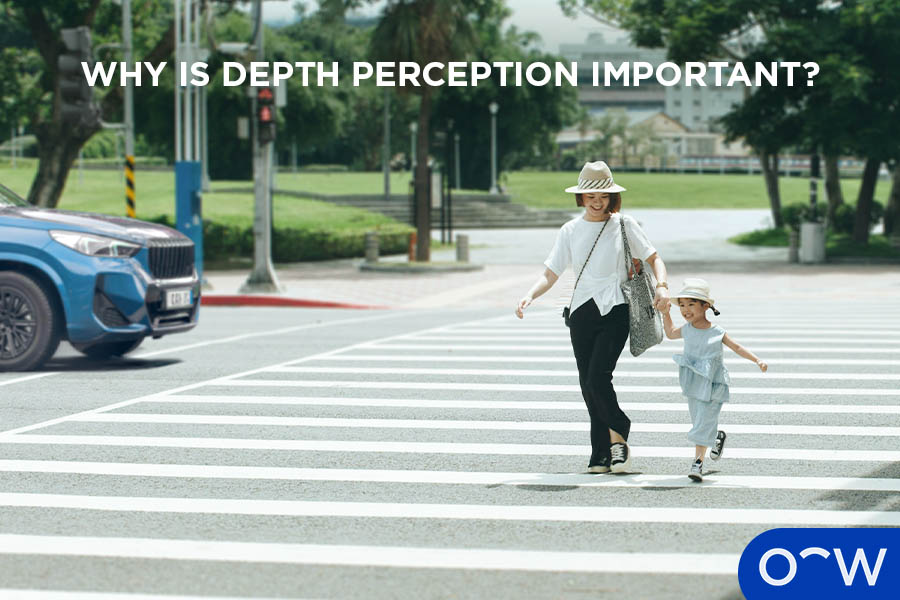
Depth perception is important as it allows us to complete everyday tasks effectively and safely. Picking up objects, playing sports and even walking across the street safely are made possible due to depth perception, making you see objects as they are in relation to yourself.
How does Depth Perception Help in Everyday Life?
Depth perception helps in everyday life as we often rely on it subconsciously for everyday tasks. From driving, walking up the stairs and even pouring a glass of water, these tasks all require depth perception to see how close the objects are to you and to act accordingly.
Why is Eye Health Important for Good Depth Perception?
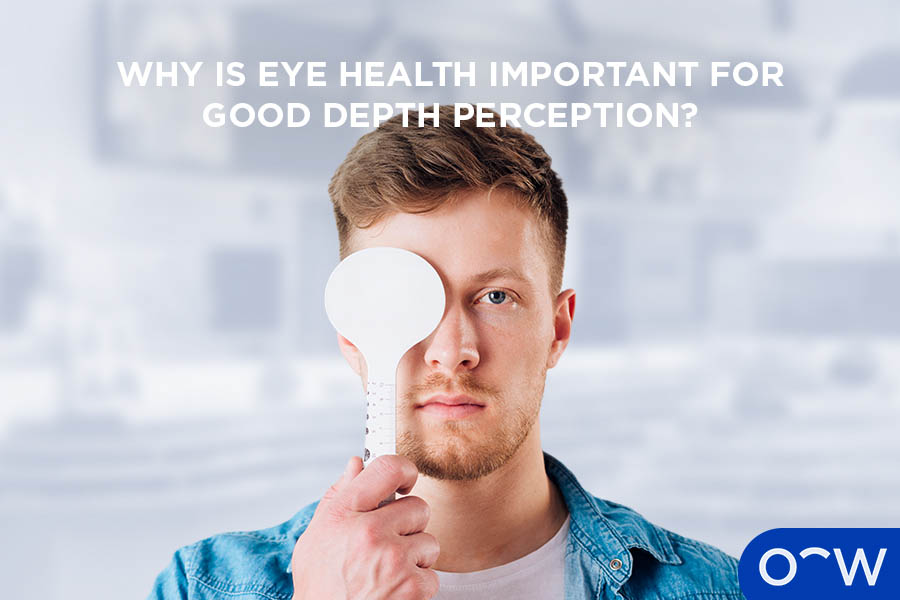
Eye health is important for good depth perception, as healthy eyes coincide with good depth perception. Those with certain eye conditions or eye trauma might suffer from reduced depth perception.
Can People Function Without Normal Depth Perception?
Yes, people can definitely function without normal depth perception. Prescription glasses, contact lenses and other visual aids, if needed, can help people without normal depth perception in everyday tasks.
Can Poor Depth Perception Be a Sign of Vision Problems?
Yes, poor depth perception can be a sign of an underlying vision problem. It is important to consult an eye health professional if you or your kids' eyes are experiencing depth perception issues.
Can Single Vision Lenses Affect Depth Perception?
Generally correct single vision lenses do not negatively affect depth perception; however, an incorrect prescription can.
How does Depth Perception Work?
Depth perception works through different parts of the brain and eye. The light and information entering the eye, retina, optic nerves and the brain's visual cortex, which is responsible for sight, all work together for an individual to have depth perception, according to the Cleveland Clinic.
What Role Do Binocular Cues Play in Depth Perception?
Binocular cues are visual signals from both eyes that work together to help your brain perceive depth and distance. Your brain compares these two images together to create a singular 3D image, which provides you with spatial awareness that allows you to navigate the world.
Are Binocular Cues Needed for Accurate Depth Judgment?
Yes, binocular cues are needed for accurate depth judgment. While only one eye is capable of having depth perception, a more accurate, precise perception is done with both eyes.
Can Accommodative Esotropia Affect Depth Judgment?
Yes, accommodative esotropia can affect depth judgment. Esotropia is the inward turning of one or both eyes, according to Vision Eye Institute. One of the symptoms of this is reduced depth perception.
What are Monocular Cues in Depth Perception?
Monocular cues in depth perception include relative size, interposition, texture gradient and linear perspective, according to Warren Forensics. Read more about these monocular cues in depth perception below.
- Relative Size: Relative size cues are when objects of around the same size are seen through different scales; the smaller object appears further away and vice versa.
- Interposition: Interposition is when one object conceals part of another object in our line of view, and the brain interprets the concealed object as being farther away than it is.
- Texture Gradient: Texture gradient visual cues are when objects with fine textures appear farther in the distance than those with coarser textures.
- Linear Perspective: Linear perspective as a monocular cue is when parallel lines appearing to merge in the distance look like they are a greater depth or distance away.
Can One Eye Provide Depth Information?
Yes, one eye can provide depth information. A single eye can use monocular cues to perceive distance and depth.
What are Common Examples of Depth Perception?
Common examples of depth perception are everyday interactions, driving, and playing sports. These examples of depth perception are explained below.
- Everyday Interactions: Everyday interactions such as navigating your steps, reaching for objects, and navigating crowds rely heavily on depth perception.
- Driving: Driving requires depth perception, especially during parking and merging.
- Playing Sports: Playing sports, including tracking objects like a ball, as well as timing and distance, require depth perception.
How Is Depth Perception Used While Driving?
Depth perception is used while driving for judging close speeds, maintaining safe distances, merging into traffic, and navigating tight spaces like carparks, according to Glaucoma Australia.
What Problems Can Affect Depth Perception?
The problems that can affect depth perception include strabismus, diplopia, amblyopia, eye injuries, and neurological conditions. These eye problems are explained below.
1. Strabismus
Strabismus is an eye condition wherein the eyes do not point in the same direction and often do not move together, according to Vision Eye Institute. This misalignment can be categorised into different types of strabismus: one or both eyes may point inwards (esotropia), outwards (exotropia), upwards (hypertropia), or downwards (hypotropia). Symptoms of Strabismus include double vision, reduced peripheral vision and reduced depth perception.
2. Diplopia
Diplopia is a condition in which a patient sees two images of a single object, also known as double vision, according to Dr Colin Clement Eye Doctor Sydney. Symptoms include headaches, nausea, eye pain and reduced depth perception, according to the Cleveland Clinic.
3. Amblyopia
Amblyopia is a condition where one eye develops abnormally in early life, often wandering inwards or outwards, also known as a 'lazy eye' according to Health Direct. There are three forms of amblyopia: strabismic (where the eye turns a different direction), refractive (one eye with a higher prescription) and deprivation (a physical block in the eye such as a droopy eyelid). Common signs of amblyopia include squinting of one eye, head tilting, an eye that wanders inwards or outwards, and poor depth perception.
4. Eye Injuries
Eye injuries such as harsh contact to your eye with a foreign object can lead to poor depth perception. It is important to get your eye checked immediately if you have an eye injury that leads to changes in vision.
5. Neurological Conditions
Neurological conditions can lead to loss of vision due to an acquired brain injury or impairment, which leads to the miscoordination of the eyes and difficulties with visual perception. These neurological conditions include strokes, brain tumours, and head injuries, according to the Better Health Channel, Victoria.
What Causes Poor Depth Perception?
The causes of poor depth perception include strabismus, blurry vision, nerve problems and eye trauma, according to Abernathy Owens Optometrists.
How does Esotropia Influence Depth Perception?
Esotropia influences depth perception as it can impede an individual's ability to achieve proper three dimensional vision due to eye misalignment, according to Clarity Eye Surgeons. Esotropia is a form of strabismus, wherein both eyes do not point in the same direction, with one eye turning inwards, according to Perth Children's Hospital.
Can Depth Perception Problems Be Corrected?
Yes, depth perception problems can often be managed through methods such as specialised eyewear or vision therapy, according to Abernathy Owens Optometrists. Specialised eyewear can include contact lenses or prescription glasses, depending on the advice of your eye specialist. Vision therapy exercises for poor depth perception can include eye patching.
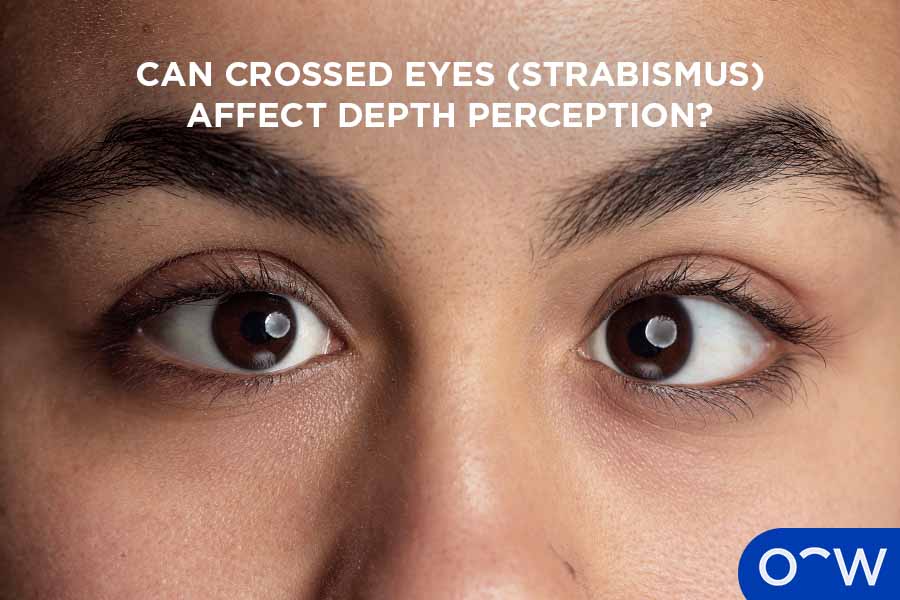
Can Crossed Eyes (Strabismus) Affect Depth Perception?
Yes, crossed eyes (strabismus) can significantly affect depth perception. Strabismus causes the eyes to be misaligned, which sends conflicting images to the brain. Proper depth perception requires both eyes working together to create a 3D image, and people with strabismus struggle with this, according to the Cleveland Clinic.
Is Double Vision (Diplopia) a Sign of Depth Perception Problems?
Yes, diplopia may be a sign of depth perception problems. Diplopia, informally known as double vision, occurs when a child sees two images of an object instead of one. Those with diplopia often have reduced depth perception as a symptom; however, those with reduced depth perception may not also suffer from diplopia.
What Is the Difference Between Binocular and Monocular Cues?
Monocular cues only require one eye and help to distinguish 2D images and far-away objects, whereas binocular cues require both eyes and help interpret 3D images, which is important for close-up viewing. This means that binocular cues are often stronger, but monocular cues are still useful.
Are Binocular Cues More Accurate Than Monocular Cues?
Yes, binocular cues are more accurate than monocular cues. Binocular cues access information provided by both eyes, providing a clearer picture of how an object is located in relation to you.