


 1300 164 990
Eye Allergies: Causes, Symptoms, and Treatments
Updated on June 22nd, 2026
Published March 7th, 2023
 Australia
Eye allergies, also known as allergic conjunctivitis, are a reaction the body has to certain substances that make direct contact with the eyes, such as pollen or pet dander. This substance then triggers an overreaction in the immune system, causing symptoms typical of allergic reactions in the face and eyes. Causes of eye allergies include pollen, dust, pet dander or smoke, as well as genetics. Symptoms of eye allergies include swelling, sneezing, itchy eyes, red eyelids and watery eyes. Eye allergy treatments involve a variety of medications, such as oral antihistamines, topical eye drops or allergy shots. These methods typically involve reducing or blocking histamine production or preventing the more uncomfortable symptoms of eye allergies.
What are Eye Allergies?
Eye allergies, also known as allergic conjunctivitis, occur when the body has an overreaction towards foreign substances that make direct contact with the eyes, such as pollen or pet dander. This causes the release of histamines, which can cause symptoms of inflammation, redness, and itching. Allergic conjunctivitis differs from bacterial and viral conjunctivitis as it is not caused by bacteria or viruses.
What are the Other Terms for Eye Allergies?
Eye allergies are medically known as allergic conjunctivitis. Eye allergies also go by other classifications depending on the type and cause, and are also known as ocular allergies.
How are Eye Allergies Developed?
Eye allergies are developed in reaction to a person's natural allergies and any substance, whether constant or seasonal, that could trigger an allergic response from the body's system. Allergies are defined as a harmless or normal substance that creates an overreaction in the body's immune system, due to a white blood cell called the mast cell.
The mast cell can be found in the entirety of the body and controls the release and production of certain chemicals that assist the immune system. One of these chemicals is histamine, which assists in keeping toxic, hostile or unwanted substances out of the body, such as infections that could be caused by injury, but in reaction to a technically harmless substance such as an allergen, will cause uncomfortable symptoms such as puffy eyes, itchy eyes, swelling, and a runny nose.
There are many reasons why allergies develop, but the most common is a family history of certain types of allergies.
Can Genetic Factors Increase the Risk of Developing Eye Allergies?
Yes, genetic factors can increase the risk of developing eye allergies. Having a family history of asthma, eczema, and hay fever significantly raises the risk of eye allergies.
What are the Types of Eye Allergies?
The types of eye allergies are perennial allergic conjunctivitis, vernal keratoconjunctivitis, seasonal allergic conjunctivitis, contact lens hypersensitivity, and giant papillary conjunctivitis. The following are the types of eye allergies.
- Perennial allergic conjunctivitis: Perennial allergic conjunctivitis is a type of eye allergy that occurs year-round and is triggered by substances such as dust mites or mould.
- Vernal keratoconjunctivitis: Vernal keratoconjunctivitis is a type of eye allergy where the eye has a severe allergic reaction, as well as bumpy growth along the eyelids, caused by seasonal allergies.
- Seasonal allergic conjunctivitis: Seasonal allergic conjunctivitis is a type of eye allergy caused by pollen in the eyes and other spring allergens, such as grass.
- Contact lens hypersensitivity: Contact lens hypersensitivity is a type of eye allergy where the eye is showing symptoms of allergies due to wearing contact lenses.
- Giant papillary conjunctivitis: Giant papillary conjunctivitis is a type of eye allergy where the eye shows symptoms of an allergic reaction, as well as developing small bumps on the surface of the eyelids. Giant papillary conjunctivitis is often related to extended contact lens usage.
1. Perennial Allergic Conjunctivitis
Perennial allergic conjunctivitis, also known as chronic allergic conjunctivitis, is mainly caused by indoor allergens such as dust mites, pet dander, and mould spores, according to the Australasian Society of Clinical Immunology and Allergy (ASCIA). Symptoms of perennial allergic conjunctivitis persist all year round.
2. Vernal Keratoconjunctivitis
Vernal keratoconjunctivitis is a severe type of eye allergy and allergic reaction where a seasonal allergen lands directly in a person's eye, and the person is severely allergic to the substance. Vernal keratoconjunctivitis is different from other types of eye allergies because the symptoms of the allergic reaction are much more intense and severe in the eye, and in some cases may lead to corneal damage if the condition is not properly treated, according to the Medical Journal of Australia. Vernal keratoconjunctivitis is initially diagnosed by an optometrist or medical doctor examining the eyes for symptoms, such as itching, tearing in the eye, as well as constant secretion of a thick mucus, the sensation of there being something in the eye, a sensitivity to light, and hard, round bumps being clearly seen on the eyelid. With severe or ongoing cases, there is a high risk of vision loss, and these cases typically require secondary referral to an ophthalmologist to safely manage risks like corneal damage through specialised medical treatments.
3. Seasonal Allergic Conjunctivitis
Seasonal allergic conjunctivitis, also known as SAC, is a type of eye allergy that occurs when an allergen, a substance that causes an overreaction in the body's immune system, lands directly in the eye. SAC is closely associated with hay fever and is most common during seasons of high pollen. SAC is different from other types of eye allergies because it is specifically caused by allergens that occur in spring and summer seasons, and is most commonly caused by grass and plant pollen instead of substances that can be found all year round. SAC is diagnosed by an optometrist or medical doctor examining the eyes for symptoms of SAC, such as red or itching eyes, foreign body sensation, watery eyes or a runny nose and other common signs of hay fever.
4. Contact Lens Hypersensitivity
Contact lens hypersensitivity is a type of eye allergy where the usage of contact lenses causes an allergic reaction. Contact lens hypersensitivity is caused by the proteins in the tears binding to the surface of the lenses and irritating the conjunctiva. Contact lens hypersensitivity is different from other types of eye allergies because it is directly caused by the usage of contact lenses or allergenic materials lining the eye. Contact lens hypersensitivity is diagnosed by an optometrist or medical doctor by checking the eye for symptoms such as itching and redness of the eye, excessive mucus release and discomfort while wearing contact lenses.
5. Giant Papillary Conjunctivitis
Giant papillary conjunctivitis, also known as GPC, is a form of eye allergy where the inside of the eyelid begins showing the symptoms of an allergic reaction, redness, itching or swelling, and giant bumps underneath the eyelid, usually associated with contact lens usage. GPC is different from other eye conditions because although it shares many symptoms and causes in common with contact allergic conjunctivitis, such as a possible cause of the allergic reaction being contact lenses, the reaction to the contact lenses is much more severe. If GPC is not properly treated, it may result in permanent intolerance towards contact lenses or a separate eye condition called ptosis, or drooping eyelids. GPC is diagnosed by an optometrist or medical doctor by examining the eye for symptoms of an allergic reaction, such as itching or redness, and also by examining the inside of the eyelid to see if the surface is smooth or bumpy due to GPC. For advanced or chronic cases, an optometrist will co-manage or refer the patient directly to an ophthalmologist to safely control deeper inflammation and protect the surface of the eye.
What are the Causes of Eye Allergies?
The causes of eye allergies are pet dander, pollen, mould, smoke and dust. The causes of eye allergies are listed below.
- Pet dander: Pet dander is a cause of eye allergies, as it may trigger a person's animal allergies if the pet dander comes into contact with the skin or eyes.
- Pollen: Pollen is a cause of eye allergies because exposure to plant pollen triggers histamine release in the body.
- Mould: Mould is a cause of eye allergies because certain types of mould particles, such as Penicillium, can be an allergen and will cause an allergic reaction if it makes contact with the eyes or skin.
- Smoke: Smoke is a cause of eye allergies because smoke particles may be an allergen that triggers an allergic reaction if the particle makes contact with the body or eyes.
- Dust: Dust is a cause of eye allergies because the many particles that make up dust may be considered an allergen by the body.
How do Pollen and Dust Contribute to Eye Allergies?
Pollen and dust contribute to eye allergies as they are types of allergens that can cause a reaction, leading to red, itchy and watery eyes. When pollen and dust land on the eye's membranes, the body overreacts and releases inflammatory chemicals like histamine, which can lead to allergy symptoms.
Can Indoor Allergens Worsen Eye Allergy Symptoms?
Yes, indoor allergens can worsen eye allergy symptoms. Indoor allergens like dust, mites, pet dander, mould, and even chemical irritants can lead to year-round or severe allergies.
What are the Common Symptoms of Eye Allergies?
The common symptoms of eye allergies include itchy eyes, watery discharge, eye redness, burning eyes, a gritty or dirty feeling in your eye, and swollen eyelids. The common symptoms of eye allergies are explained below.
- Itchy eyes: Itchy eyes are caused by histamines irritating the eyes' nerve endings.
- Watery discharge: Watery discharge and watery eyes are caused by the body's reaction to the chemical histamine and by the eyes attempting to flush out irritants.
- Eye redness: Eye redness is caused by dilation of the blood vessels in the eye and possibly aggressive rubbing or touching.
- Burning eyes: Burning eyes are a symptom of eye allergies caused by histamines, creating inflammation and irritation of the nerves in the eye.
- A gritty or dirty feeling in your eye: A gritty or dirty feeling in your eye can be directly caused by a foreign body, or even dry eyes. Otherwise, the eye reacts to environmental allergens, leading to itchy bumps on the inside of the eyelid and causing a 'gritty' sensation.
- Swollen eyelids: Swollen eyelids are caused by histamine, making the eyelids swollen or inflamed.
1. Itchy Eyes
Itchy eyes are a symptom of eye allergies, where the eyes or the skin around the eyes have an uncomfortable or irritating sensation that creates a strong desire to itch or scratch the affected area.
Itchy eyes become a symptom of eye allergies when the body creates a chemical called histamine in response to allergenic substances. Histamine causes the blood in the eyes to dilate, resulting in a red appearance, and irritates the nerve endings in the eyes, which causes them to water and feel itchy. Itchy eyes can also be caused by inflammation on the eyelids or the surface of the eyes.
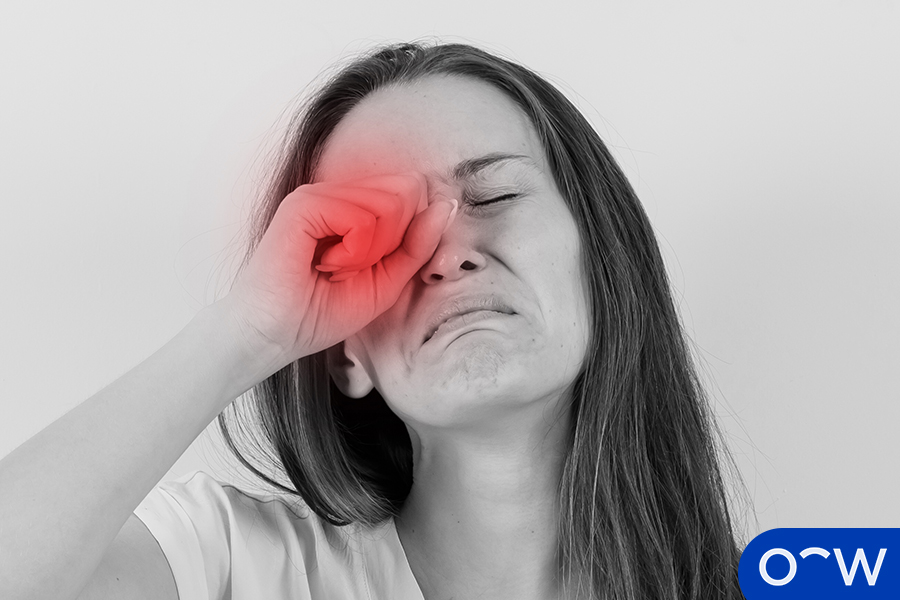
2. Watery Discharge
Watery discharge from the eyes is a symptom of eye allergies, where the eyes are constantly watery or produce an excess of tears.
Watery discharge from the eyes becomes a symptom of eye allergies when the body creates a chemical called histamine in response to an allergenic substance coming into contact with the body. Histamine creates watery eyes and affects the eye's nerve endings. Watery discharge is the result of the body trying to remove the irritant or substance from the eye.

3. Eye Redness
Eye redness is a symptom of eye allergies, where the eyelids and the whites of the eye begin showing a clear red colour.
Eye redness becomes a symptom of eye allergies when the blood vessels of the conjunctiva are dilated due to an allergic reaction. The redness itself may also be caused by damage from rubbing, touching and itching an eye that is undergoing an allergic reaction.

4. Burning Eyes
Burning eyes is a symptom of eye allergies, where the eyes or eyelids feel like they are inflamed and burning.
Burning eyes become a symptom of eye allergies as the chemical the body creates in response to allergic reactions, called histamine, irritates the nerve endings of the eye, causing an uncomfortable burning sensation. A burning feeling may also be the result of inflammation in the eyes and eyelids.
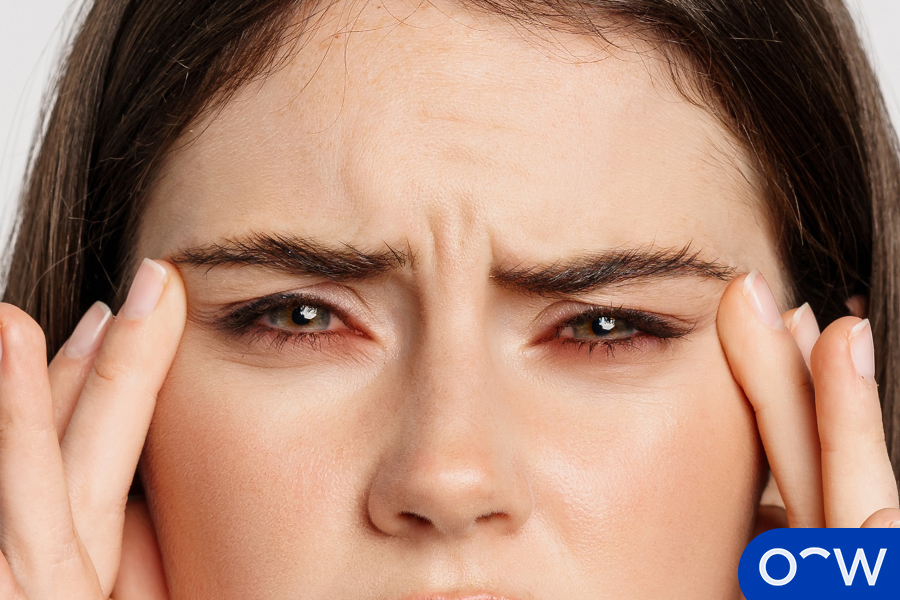
5. Experiencing a Gritty or Dirty Feeling in Your Eye
Experiencing a gritty or dirty feeling in your eye is a symptom of eye allergies, where a person constantly has a sensation that there is a foreign substance in their eyes and repeatedly touches or rubs their eyes in order to get the substance out.
Experiencing a gritty or dirty feeling in your eye becomes a symptom of eye allergies when an allergen falls into the eyes. This causes the body to see an otherwise harmless or imperceptible particle as a threat or danger, which is why there is a feeling that it must be scratched or expelled. Another reason eye allergies may make a person feel like there is something stuck in their eye is the eyelid swelling caused by allergies, which makes direct contact with the eyes in an uncomfortable way.
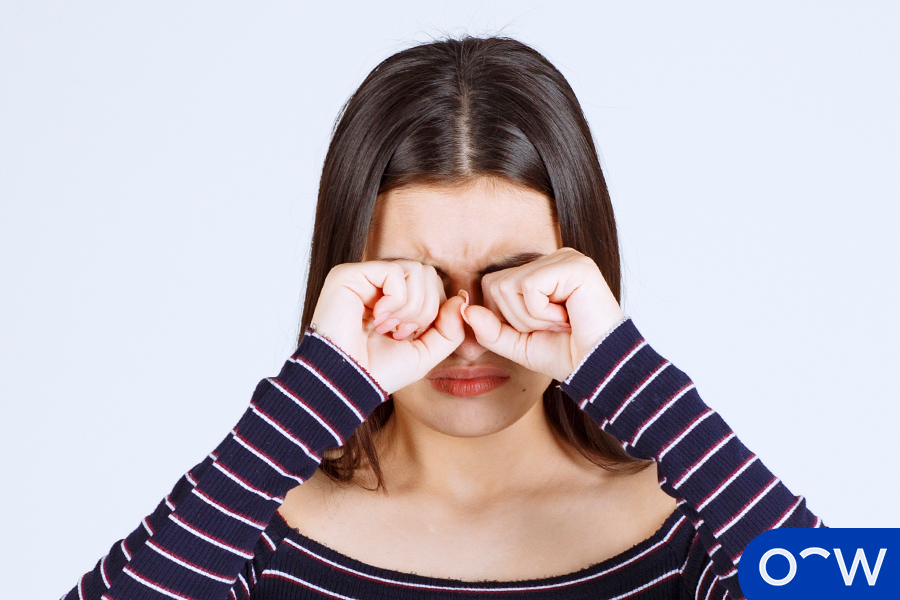
6. Swollen Eyelids
Swollen eyelids are a symptom of eye allergies, where the upper or lower eyelids become puffed out and swollen, possibly on just the upper or lower eyelids, or both.
Swollen eyelids become a symptom of eye allergies when the body comes into contact with any allergenic substance, which causes an overreaction of the immune system and releases the chemical histamine into the body. Histamine causes the blood vessels in the eye to swell, resulting in the eyelids becoming swollen as well.

How do Eye Allergy Symptoms differ from Eye Infection?
The difference between eye allergies and an eye infection is that eye allergies are caused by an allergic reaction to a foreign substance in the system that the body believes is hazardous, while an eye infection is caused by the body's reaction to more severe substances such as viruses, bacteria or parasites. Eye infections also do not commonly cause eye itching. Itching is most commonly a symptom of eye allergies, according to Health Direct Australia.
Does Eye Rubbing Make Eye Allergy Symptoms Worse?
Yes, eye rubbing can make eye allergy symptoms worse. If you are prone to eye allergies that cause the eyes to water or become inflamed and irritated, rubbing your eyes will only worsen symptoms, according to Health Direct Australia. Vigorous eye rubbing can impair vision, cause abrasions, and possibly break tiny blood vessels around the eyes.
What are the Best Treatments for Eye Allergies?
The treatments available for eye allergies are antihistamine eye drops, mast cell stabiliser eye drops, NSAID eye drops, corticosteroid eye drops, non-sedating oral antihistamines and allergy shots. The treatments that may be best for eye allergies are listed below.
- Antihistamine eye drops: Antihistamine eye drops are eye drops that block histamine receptors to alleviate allergy symptoms.
- Mast cell stabiliser eye drops: Mast cell stabiliser eye drops are eye drops that prevent mast cells from releasing inflammatory chemicals.
- Corticosteroid eye drops: Corticosteroid eye drops are steroid eye drops prescribed by an ophthalmologist to reduce inflammation and other symptoms of eye allergies. These require a clinical consultation and strict monitoring due to potential side effects.
- NSAID eye drops: NSAID eye drops are a remedy for eye allergies that reduce inflammation and redness in the eyes. These require a clinical consultation and strict monitoring due to potential side effects.
- Non-Sedating oral antihistamines: Non-Sedating oral antihistamines are medicines that prevent or reduce the creation of histamine in the body, but also do not have the side effects of drowsiness that many antihistamine medications may contain.
- Allergy Shots (Immunotherapy): Allergy shots are injections containing a small trace of a person's allergen and are taken 3 or more times during the long course of a year in order to acclimatise the body to the allergen's presence, reducing the symptoms of allergies.
What Allergic Conjunctivitis Treatment Options are Available?
Treatment options available for allergic conjunctivitis involve avoiding or minimising exposure to known allergens, home treatments, and medical treatments, according to ASCIA. The treatment options that may be available for allergic conjunctivitis are listed below.
- Avoiding or Minimising Allergen Exposure: Avoiding or minimising exposure to known allergens can involve steps such as removing carpet, using dust mite covers, washing bedding in hot water, and removing animals from the house, according to ASCIA.
- Home Treatments: Home treatments can be effective for people with mild to moderate symptoms. These treatments include bathing eyes with cold water, ice packs, or cold water compresses, and non-medicated eye drops, according to ASCIA.
- Medical Treatments: Medical treatments available for allergic conjunctivitis include antihistamine eye drops, mast cell stabiliser eye drops, and steroid eye drops, according to ASCIA.
What Home Remedies Can Help Relieve Eye Allergies?
Home remedies that can help relieve eye allergies include using a cold, damp cloth over your closed eyes or an ice pack, bathing the eyes in cold water, and using a humidifier, according to Health Direct Australia. These home remedies to relieve eye allergies are explained below.
- Using a cold, damp cloth over your closed eyes: Using a cold, damp cloth over your closed eyes for 10 minutes can help to tighten blood vessels, which can reduce inflammation and redness.
- Bathing the eyes in cold water: Bathing the eyes in cold water may help relieve eye allergies, particularly itchy eyes, according to Health Direct Australia.
- Using a humidifier: Using a humidifier can improve symptoms of dry eyes. You can also place bowls of water around the room to make the air more humid, according to Health Direct Australia.
- Lubricating and/or flushing out the eyes: Lubricating and/or flushing out the eyes involves using preservative-free lubricating eye drops or saline eye drops to flush out any allergens in the eye throughout the day.
How Long Will Eye Allergies Last?
Eye allergies typically last for 4 to 8 weeks or for as long as the pollen season lasts.
How to Prevent Eye Allergies?
You can prevent eye allergies by avoiding outdoor triggers, controlling your indoor environment, and practising daily hygiene and care. While you cannot completely prevent an underlying allergic disposition, you can manage and reduce symptoms using these prevention methods, as explained further below.
- Avoiding outdoor triggers: Avoiding outdoor triggers means reducing your exposure to triggers such as pollen and smoke. Strategies such as tracking your local forecast on the Australian Pollen Information Network may be helpful, as well as scheduling outdoor activities for lower pollen times, such as early mornings and late afternoons. Wearing wraparound sunglasses and a wide-brimmed hat may also control triggers.
- Controlling your indoor environment: Controlling your indoor environment involves steps such as keeping your windows closed during high-pollen seasons, using air conditioning and air purifiers, and washing your bedding weekly in hot water.
- Daily hygiene and care: Daily hygiene and care to prevent eye allergies can involve using artificial tears to flush out allergens, avoiding rubbing your eyes, and using disposable lenses during peak allergy seasons.
What are the Best Ways to Reduce Eye Allergy Triggers at Home?
The best ways to reduce eye allergy triggers at home include keeping windows closed during high-pollen seasons, using air conditioning, and using dust mite covers. The best ways that may help reduce eye allergy triggers at home are listed below.
- Keep windows closed: Keeping windows and doors closed on high pollen days can help reduce eye allergy triggers.
- Use air conditioning: Using air conditioning in your home and car can help direct clean air towards you. You may also consider an air filter with a small-particle filter.
- Dust mite covers: Dust mite covers can help protect your bedding from dust mites, as well as washing your bedding, pillowcases, and blankets in hot water weekly.
Does Using Air Purifiers Help Minimise Indoor Allergens that Affect Eyes?
Yes, using air purifiers can help minimise indoor allergens that affect the eyes, such as pollen, dust mites, and pet dander. Air purifiers catch airborne irritants before they land in your eyes, which can reduce symptoms of itchy, red, and watery eyes. Air purifiers with small-particle filters are the most effective.
When Should Someone See A Doctor for Eye Allergies?
Someone should see a doctor for eye allergies if their eye allergy symptoms do not improve after a few days or worsen even when treated with over-the-counter medication, according to Health Direct Australia. You should see a doctor immediately if you have severe eye pain, vision changes, thick discharge, or severe swelling.
What Type of Doctor Treats Eye Allergies?
The type of doctor to treat eye allergies is an optometrist for diagnosis, and an ophthalmologist or immunologist for more chronic or complex cases.
Is Eye Allergy Contagious?
No, eye allergies are not contagious because they are caused by immune system triggers rather than external pathogens, unlike infectious forms of conjunctivitis (such as viral or bacterial conjunctivitis), which spread easily.
Can Eye Allergies Cause Vision Problems?
Yes, eye allergies can cause temporary vision problems, such as blurred vision, particularly if your eyes are watery as a result of allergens. Excessive eye rubbing, especially in young children, may also increase a person's astigmatism.
Read Eye Allergies: Causes, Symptoms, and Treatments in other Oscar Wylee regions and their languages.
Australia