


 1300 164 990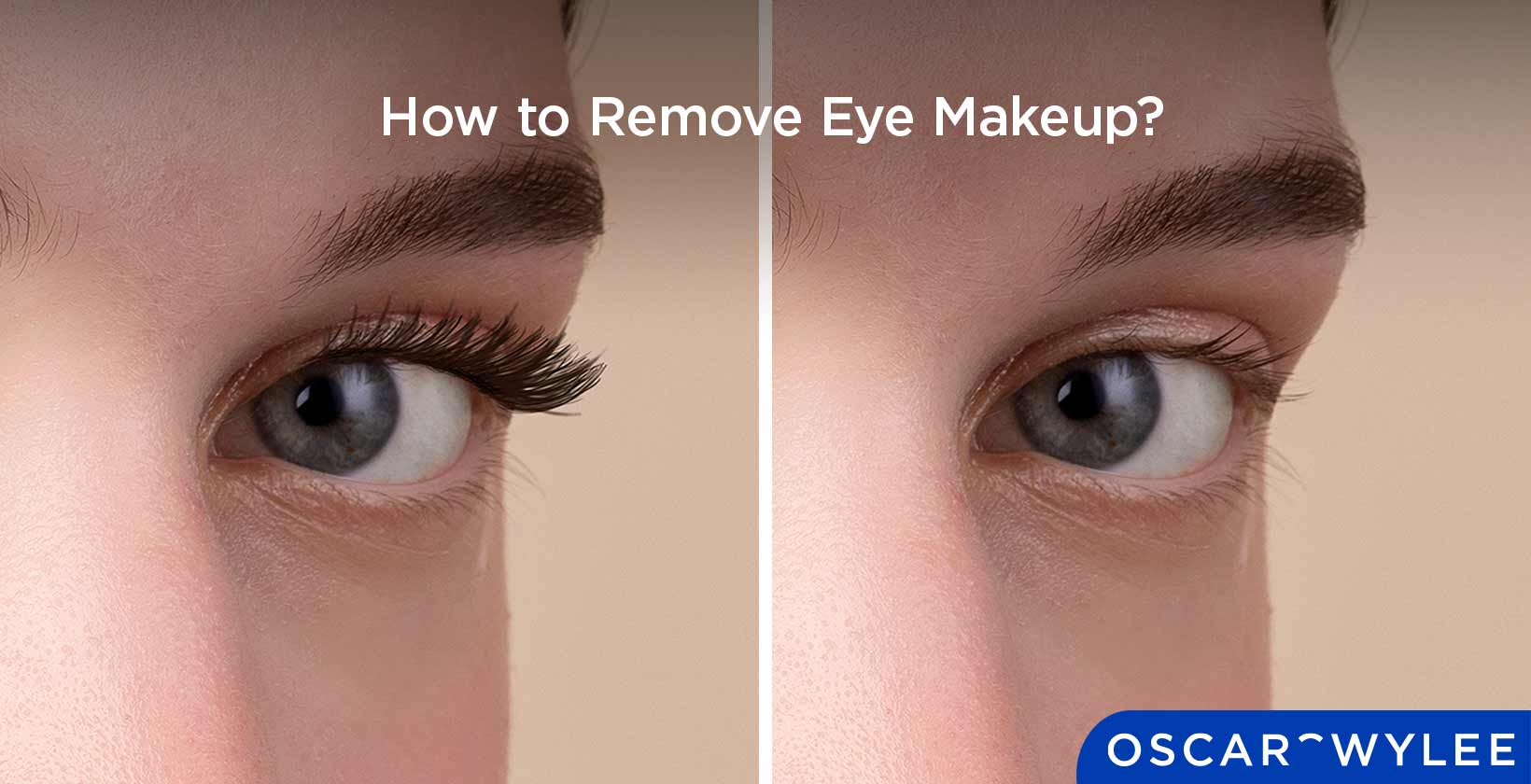
How to Remove Eye Makeup?
Published on October 1st, 2026
Proper eye makeup removal is important for your eye health to prevent eye irritation and infection. To remove eye makeup, wash your hands, place a makeup remover-soaked cotton pad on your closed eye for 10 to 20 seconds, then gently wipe. Read on for a comprehensive guide on how to remove your eye makeup, as well as how colour theory can inform your eye makeup choices.
1. Wash Your Hands
Wash your hands with soap and water before removing eye makeup to prevent transferring bacteria onto your eyes.
2. Choose a Gentle Eye Makeup Remover
Choose a gentle eye makeup remover such as an oil-based remover or micellar water. If you are wearing waterproof eye makeup, choose a product formulated to remove it.
3. Soak a Cotton Pad With Makeup Remover
Fully soak a cotton pad with makeup remover, so you do not need to tug the delicate skin around your eyes and lashes.
4. Close Your Eyes Before Applying the Remover
Close your eyes before applying the makeup remover-soaked cotton pad, so you do not get the remover in your eyes.
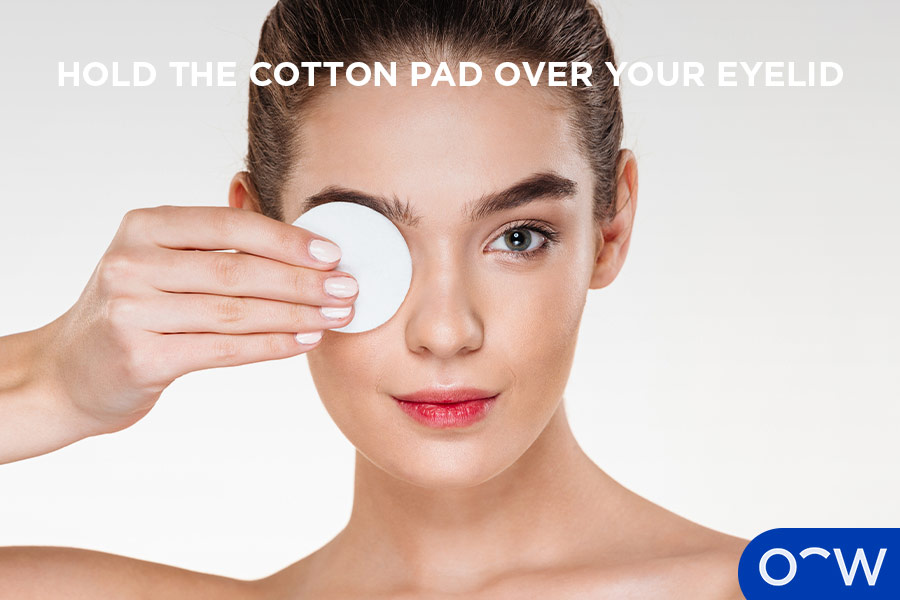
5. Hold the Cotton Pad Over Your Eyelid
Hold the cotton pad over your closed eyelid for 10 to 20 seconds to allow the makeup to break down.
6. Gently Wipe Away Eyeshadow
Gently wipe away the eyeshadow and other eye makeup with the cotton pad, without scrubbing.
7. Remove Eyeliner Along the Lash Line
To remove eyeliner along the lash line, gently wipe the area with a cotton pad, or use a cotton swab soaked in eye makeup remover for precision.
8. Soften Mascara Before Wiping
Let the cotton pad sit on your closed eyelid again for 10 to 20 seconds to soften mascara before wiping. This will allow for easy removal and limit rubbing.
9. Gently Wipe Away Mascara
As before, gently wipe away mascara using a gentle swipe.
10. Use a Cotton Swab for Stubborn Makeup
Use a cotton swab for stubborn makeup on the lash line. Douse a cotton swab in makeup remover and gently dab the areas.
11. Clean Between the Eyelashes Carefully
You can use a cotton swab to clean between the eyelashes carefully to ensure all eye makeup is removed properly.
12. Repeat With a Fresh Cotton Pad
Repeat this process with a fresh cotton pad until all eye makeup is completely removed.
13. Rinse or Cleanse the Eye Area
Once makeup is removed, rinse the area around the eyes with warm water, or use a gentle cleanser.
14. Pat the Skin Dry Gently
Pat the skin around the eyes gently with a fresh towel. Try not to pull or tug at the skin, and instead use blotting motions.
15. Apply a Gentle Eye Cream or Moisturiser
To finish, apply a gentle eye cream or moisturiser around the eye area, avoiding the eyes. Follow with the rest of your normal skincare routine.
Why is Proper Eye Makeup Removal Important for Eye Health?
Proper eye makeup removal is important for eye health to prevent blocked glands, infection, and
Can Poor Eye Makeup Hygiene Increase the Risk of Eye Problems?
Yes, poor eye makeup hygiene can increase the risk of eye problems such as infections, irritation, and chronic surface diseases. Infections such as conjunctivitis and keratitis can arise from using shared makeup products due to bacterial buildup. Applying eyeliner in your waterline increases the risk of clogged meibomian glands, which can lead to dry eye. Blepharitis can be caused by leftover makeup and lead to the growth of Demodex mites in the eyelash follicles.
What are the Common Eye Problems Related to Eye Makeup?
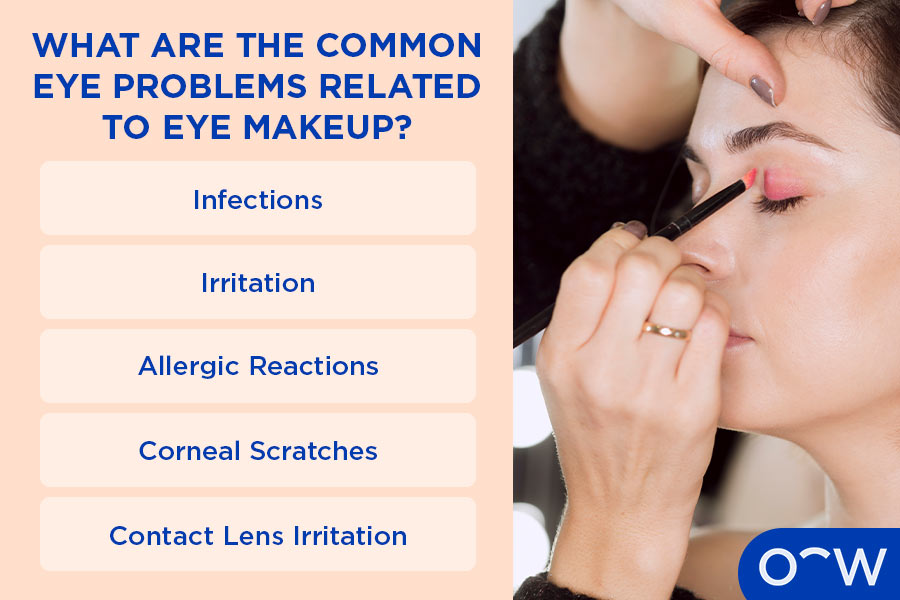
Common eye problems related to eye makeup are infections, irritation, allergic reactions, corneal scratches, and contact lens irritation. These eye problems are explained further below.
- Infections: Infections such as conjunctivitis (pink eye) can be related to shared makeup, dirty brushes, and expired products. Conjunctivitis can cause redness, swelling, and discharge.
- Irritation: Irritation refers to grittiness, burning, and chronic dryness, which can be caused by blocked meibomian glands (oil glands) due to eyeliner applied to the inner waterline.
- Allergic Reactions: Allergic reactions can occur due to fragrance and preservatives in makeup, which can lead to redness, itching, and swelling.
- Corneal Scratches: Corneal scratches can be caused by sharp eyeliner or mascara wands accidentally poking the eye and causing an abrasion. Corneal scratches can increase infection risk.
- Contact Lens Irritation: Contact lens irritation can occur when eye makeup gets trapped under the contact lens, which can be uncomfortable and increase infection risk.
What Causes Itchy Eyes After Wearing Eye Makeup?
Itchy eyes after wearing eye makeup can be caused by irritation, an allergic reaction, or contaminated products. Eye makeup ingredients can cause stinging or inflammation around the delicate eye area, which can occur without a full allergic reaction. Allergic reactions can be caused by preservatives, fragrances, and dyes in cosmetics that lead to itching, redness, and swelling. Contaminated eye makeup products that have been shared or are expired can cause infections such as blepharitis or conjunctivitis.
How Can Eye Makeup Affect Different Eye Conditions?
Eye makeup can affect different eye conditions, such as worsening dry eyes, blepharitis, or conjunctivitis. Eyeliner applied to the waterline can aggravate dry eye syndrome, which is a condition where the eyes do not make enough tears, or tears evaporate too quickly, according to Healthdirect Australia. Flare-ups of infections such as blepharitis and conjunctivitis can also be worsened by eye makeup, and you should avoid usage when you have an active infection. Eye makeup use should also be avoided if you have a stye or chalazion, as it can further clog glands.
How Should You Manage Eye Makeup Around Sensitive Eyes?
To manage eye makeup around sensitive eyes, choose hypoallergenic formulas, practice good hygiene, and apply gently. Hypoallergenic makeup is often fragrance-free and talc-free, which can reduce allergic reactions in sensitive eyes. Make sure you replace your products as recommended and remove your makeup properly using gentle products such as micellar water. Apply your makeup gently and avoid harsh rubbing motions.
What Should You Know About Makeup Around the Eyes?
It is important to practice correct hygiene, expiration habits and application techniques with makeup around the eyes. These practices you should know about makeup around the eyes are explained below.
- Hygiene: Hygiene is important with makeup. Do not share your makeup with others and clean your brushes regularly. Stop using and throw out a product immediately if you have an eye infection.
- Expiration Habits: Expiration habits you should practice include replacing mascara every 3 months and eyeshadow and eyeliner after 6 to 12 months.
- Application Techniques: Application techniques involve avoiding makeup application on your waterline, avoiding glitter, and removing your eye makeup correctly before bed.
How Can You Prevent Makeup From Getting Into Your Eyes?
You can prevent makeup from getting into your eyes by only applying product to your lash line and avoiding your waterline. Applying makeup to your inner rim (waterline) can lead to the product leaking into your eyes and cause irritation. Do not apply makeup in a moving vehicle, and avoid using sharp objects around the eyes.
What Happens If You Get Eyeliner in Your Eye?
If you get eyeliner in your eye, you will usually experience temporary redness, stinging, and blurry vision. The pigment in the eyeliner will mix with your tears, which may cause your eyes to water heavily. Bacteria from the product can potentially lead to an eye infection or lid margin issues like a stye. If you get eyeliner in your eye, flush your eye gently with cold water or saline solution for a minute, and seek medical care if you experience severe pain, swelling, or vision changes that do not clear after flushing.
How Does Eye Care Support Healthy Eyes After Wearing Makeup?
Eye care supports healthy eyes after wearing makeup as it can prevent blocked oil glands, infection, and irritation. Eye care such as cleansing the area, thoroughly cleaning the lash line, makeup removal before bed, and regularly washing tools are all measures that support healthy eyes. It is important to practice these to maintain healthy eyes when wearing makeup.
What Eye Care Habits Can Help Maintain Healthy Eyes?
The eye care habits that can help maintain healthy eyes are eating a healthy diet, wearing UV-blocking sunglasses, taking screen breaks, and getting regular eye tests. These eye care habits are explained further below.
- Eating A Healthy Diet: Eating a healthy diet is important in maintaining your eye health. Foods high in vitamins A, C, and E, zinc, lutein, zeaxanthin, and omega-3 fatty acids are particularly good for your eyes, according to the Macular Disease Foundation Australia.
- Wearing UV-Blocking Sunglasses: Wearing 100% UV-blocking sunglasses protects your eyes from harmful UV rays and reduces your risk of developing cataracts and macular degeneration, according to the Australian Government Department of Health and Aged Care.
- Taking Screen Breaks: Taking screen breaks and practising exercises such as the 20-20-20 rule supports your eye health.
- Getting Regular Eye Tests: Getting regular eye tests is vital in maintaining your eye health. It is recommended to receive an eye test every 2 years, or annually if recommended by your optometrist, if you are over 65, according to Healthdirect Australia.
How Can Your Eye Colour Influence Makeup Choices?
Your eye colour can influence makeup choices, as you can use colour theory to find shades that will complement and bring out your natural eye colour. Blue eyes will pop with warm copper, bronze, and peach tones, as orange is opposite to blue on the colour wheel. Similarly, green eyes will look beautiful with purple and maroon eye makeup, and brown eyes will stand out against warm metallics and purples. You can experiment with different coloured eyeshadow, eyeliner, and mascara to find your favourite look.
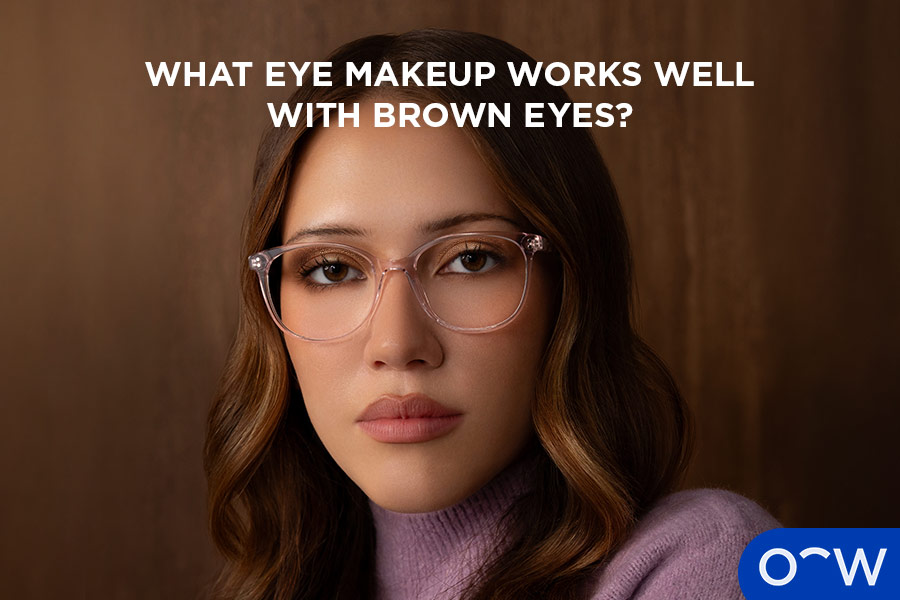
What Eye Makeup Works Well With Brown Eyes?
The eye makeup that works well with brown eyes is warm metallic shades, neutrals, or complementary purple shades to make the eyes pop. The eye makeup that works well with brown eyes is explained below.
- Warm Metallic Shades: Warm metallic shades complement brown eyes beautifully, as the similar colours bring out the amber or honey flecks in the irises.
- Neutrals: Neutral shades like terracotta and warm browns create a staple eye look for any eye colour, and look particularly stunning on brown eyes.
- Purple Shades: Purple shades such as plum and mauve correspond with yellow-orange tones on the colour wheel, creating a striking look against brown eyes.
Where Can You Find More Guidance on Eye Makeup and Eye Health?
You can find more guidance on eye makeup and eye health online or at your next eye test with an optometrist at your closest Oscar Wylee store. Optometry blogs and eye health organisations are a wealth of knowledge when it comes to eye makeup and eye health. If you would like guidance on an eye problem you are experiencing, you can book an eye test online with one of our friendly optometrists at your closest Oscar Wylee store. Keep in mind that if you are experiencing serious eye problems, such as severe physical trauma, a chemical burn, or sudden complete vision loss, you should seek emergency medical care.
Can Professional Eye Care Help With Makeup-Related Eye Concerns?
Yes, professional eye care can help with makeup-related eye concerns. Optometrists and ophthalmologists can assess, diagnose, and manage makeup-related eye problems such as dry eye and infections. Optometrists and ophthalmologists can prescribe treatments such as medicated eye drops and antibiotics, depending on your concern. They can also provide guidance on healing, ingredient awareness, and reintroducing products.