


 1300 164 990

How to Choose the Best Glasses for Your Skin Tone
Published on July 31st, 2026
Choosing the best glasses for your skin tone can enhance your overall appearance by complementing your natural complexion. The right frame colour can make your skin look brighter, highlight your eyes, and create a balanced look. While personal style always matters, understanding your skin's undertone is the best place to start.
1. Determine Your Skin Undertone (Warm, Cool, or Neutral)
The first step in choosing the best glasses for your skin tone is to determine your skin undertone. An undertone is the subtle colour that lies beneath the surface of your skin. There are three skin undertones: warm, cool, and neutral. A warm undertone is characterised by golden, peachy or yellow hues, while a cool undertone leans more blue, pink, or red. A neutral undertone has a balanced mix of these different colours.
2. Identify Your Undertone Using the Vein Test
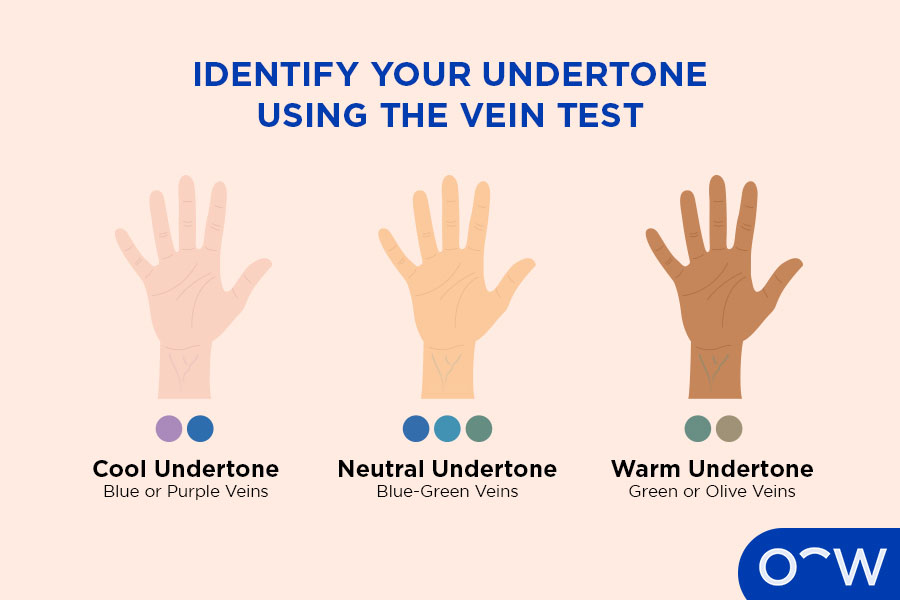
You can identify whether your undertone is warm, cool, or neutral by using the vein test. The vein test involves checking the veins on your wrist to see whether they are blue, purple, green, or a mix of blue and green. If your veins are blue or purple, you have cool undertones; if your veins are green, you have warm undertones; and if they are a mix, you have neutral undertones, according to Australian skincare and beauty brand Natio. However, the vein test alone may not be enough to determine your skin tone.
3. Use the Gold vs. Silver Jewellery Test
The gold vs silver jewellery test is another test to help determine whether you have warm, cool, or neutral undertones. The gold vs silver jewellery test involves holding pieces of silver and gold jewellery up to your face and seeing which colour makes your skin appear more even and radiant. If gold complements your skin but silver looks dull, you have warm undertones, and if silver makes your skin pop but gold washes you out, you have cool undertones. If both gold and silver brighten your appearance, you have neutral undertones.
4. Consider Your Natural Skin Complexion
Considering your natural skin complexion involves identifying your surface skin colour, which is the depth of your skin complexion, and your undertone, which is the colour beneath the surface of your skin. To determine your surface skin tone, identify whether your skin is fair/light, medium, or dark/deep. Fair/light skin often burns easily, and you may have noticeable freckles. Medium skin tans easily and rarely burns, and often has a warm or olive appearance. Dark/deep skin is rich in melanin and rarely burns in the sun. To identify your undertone, use the vein test or gold vs silver jewellery test to determine whether your skin is cool, warm, or neutral.
5. Choose Frame Colours That Complement Warm Skin Tones
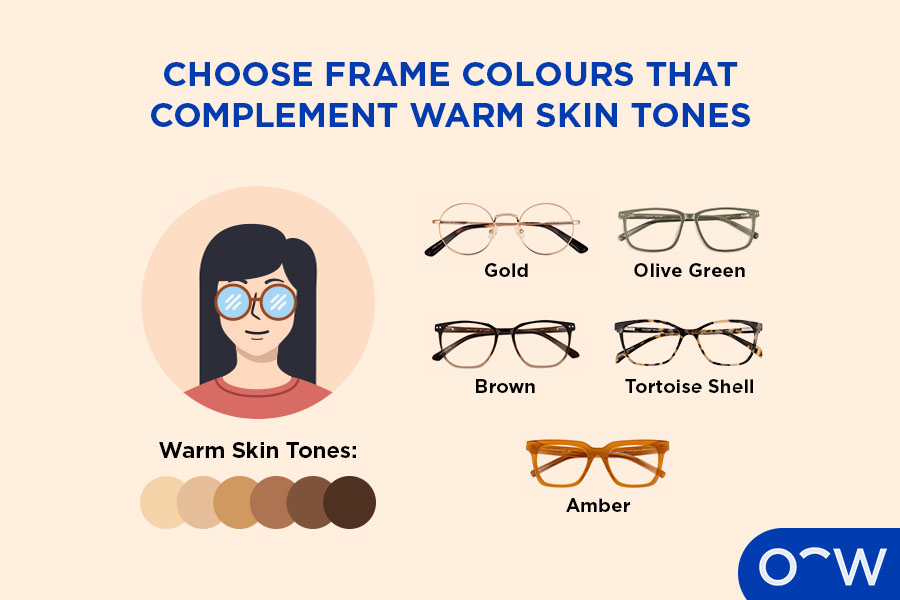
Once you have identified that you have a warm complexion, choose frame colours that complement warm skin tones, such as brown, tortoiseshell, gold, olive green, and amber. These earthy, rich shades will complement the golden, peachy, or yellow hues of your skin and make your skin glow.
6. Choose Frame Colours That Complement Cool Skin Tones
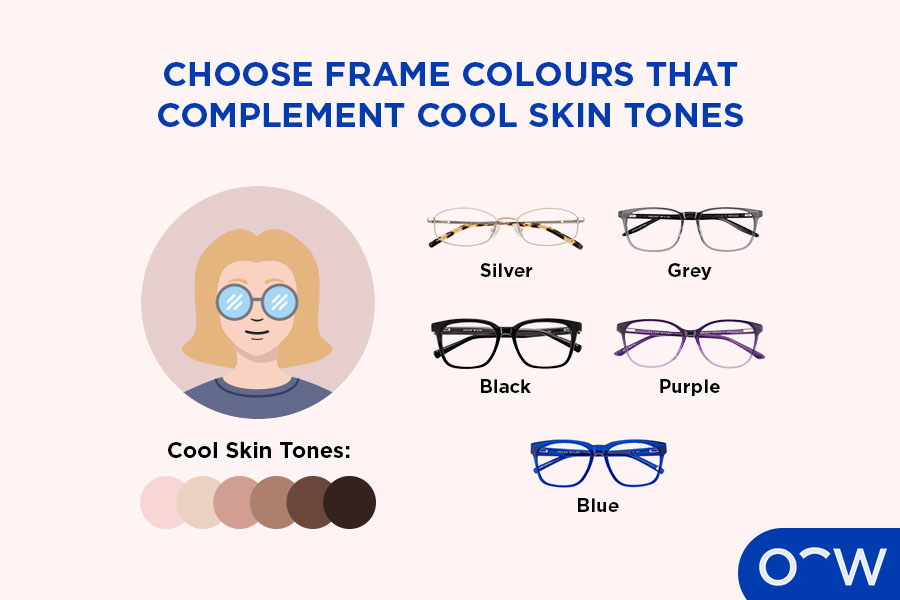
Once you have identified that you have a cool complexion, choose frame colours that complement cool skin tones, such as black, silver, blue, grey, and purple. These colours will complement the blue, pink, or red tones of your skin and make your skin look bright instead of washed out.
7. Select Versatile Frame Colours for Neutral Skin Tones
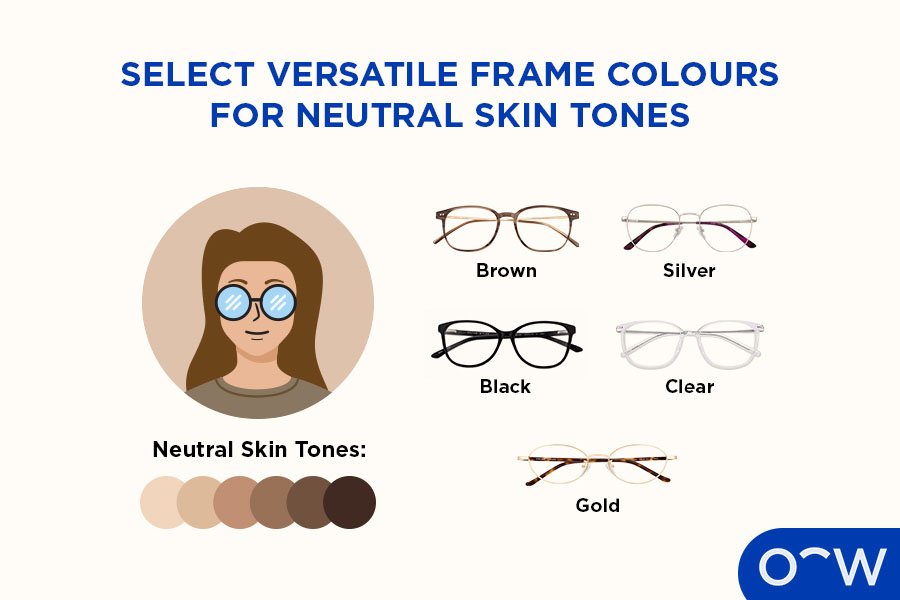
Once you have identified that you have a neutral complexion, you may select versatile frame colours, such as black, brown, gold, silver, and clear. If you have a neutral complexion, you will benefit from a range of frame colours, because you have a mixture of warm and cool undertones in your skin. It can be fun to experiment with different shades and choose which you prefer.
8. Match Your Glasses to Your Hair Colour
Matching your glasses to your hair colour involves coordinating your glasses frame colour with your natural hair colour to complement your natural features. Hair colour can also be defined by warm, cool, and neutral shades. Warm blonde hair may be enhanced by warm colours like tortoiseshell, peach, and light gold, whereas cool blonde hair can be accentuated by clear, grey, and baby blue. Those with light brown hair may opt for tortoiseshell, gold, and olive, whereas dark brown hair is suited to black, navy and plum. Warm red hair is best suited to tortoiseshell, copper and gold, and cool ashy red shades will pop against blues, dark greys, and muted greens. Black, grey, and white hair are often described as ‘blank canvases’ that can pull off any colour, so try experimenting with different shades and undertones!
9. Match Your Frames to Your Eye Colour
Matching your glasses to your eye colour involves coordinating your glasses frame colour with your eye colour to make your eyes pop. Brown, amber, and hazel eyes are versatile when it comes to glasses colours, with deep blues and greens accentuating them or earthy tortoiseshell and khaki matching them. For blue eyes, warm orange and copper tones will contrast beautifully, and blue, grey, and soft tortoiseshell will create a more coordinated look. Green eyes will be enhanced by purple, pink, or deep red glasses frames, and will also pop behind earthy brown and gold frames. For grey eyes, vibrant, bold colours can highlight them, or coordinate with silver and charcoal, according to GQ Magazine Australia.
10. Consider Your Face Shape Alongside Your Skin Tone
Considering your face shape is another important factor in choosing your glasses, alongside your skin tone. Your face shape will determine which glasses suit you best. The main face shapes are round, oval, heart, square, pear and diamond. Those with round and oval faces will benefit from rectangle, square, and cat eye frames, which add structure to their appearance. People with heart-shaped faces will suit oval, round, and aviator styles, as they can help balance a broader forehead. Square-shaped faces will suit round, oval, and cat eye shapes; these curvier styles add soft contrast to more angular features. People with pear and diamond faces often benefit from cat eye and browline frames, which help to balance the face.
11. Choose Between Metal and Acetate Frames Based on Your Colouring
Choose between metal and acetate frames based on your colouring to complement your natural features. Silver or titanium metal frames will generally suit cool-toned colouring, whereas gold or rose gold metal frames will complement warm-toned colouring perfectly. Acetate frames will suit a range of skin tones, depending on the colour. For example, cool-toned skin will pop against silver, blue, or purple acetate frames, whereas warm-toned skin will be accentuated by gold, tortoiseshell, or olive green acetate frames. Neutral skin tones suit a versatile range of frames, whether they are metal or acetate.
12. Try Frames in Natural Daylight Before Deciding
Trying frames in natural daylight before deciding can give you a better understanding of how they will look in real life and help you decide which frames complement your skin tone best. Indoor lighting can distort how we appear in the mirror, so viewing yourself outside can help you see true colours, metal finishes, and transparency. You may also find it helpful to stand by a bright window and snap a picture.
13. Compare Different Frame Colours Side by Side
Comparing different frame colours side by side can help you choose the best glasses for your skin tone, as it clarifies which colours suit you best. When you shop at Oscar Wylee, our friendly optical dispensers can help you compare different frame colours to suit your complexion. By seeing several different shades against each other, it will be easier to narrow down what complements you and what best matches your personal style.
14. Choose a Frame Colour That Complements Your Wardrobe
Choosing a frame colour that complements your wardrobe can be a helpful way to match your glasses to your outfits. You can classify your wardrobe in warm, cool, or neutral colours, just like your skin tone. A warm coloured wardrobe consists of earthy tones such as camel, tan, warm beige, and rich chocolate. People with a warm-toned wardrobe may suit glasses colours such as tortoiseshell, amber, and gold, as these will complement their outfits. A cool-toned wardrobe often includes shades such as blue, navy, grey, and berry, and these shades will look flattering with silver, blue, plum, and black glasses. A neutral wardrobe is clothing built around understated, versatile colours such as black, white, and beige that mix and match easily. Those with a neutral wardrobe will benefit from wearing frame colours such as black, clear, tortoiseshell, or soft brown, as these choices will likely flatter your outfits.
15. Avoid Frame Colours That Wash Out Your Complexion
Avoiding frame colours that wash out your complexion is important when choosing the best glasses for your skin tone, as the goal is to complement your natural colouring by matching your frame colour to your undertone. If you have warm-toned skin and choose cool-toned glasses, you may look washed out, and vice versa. This is because your undertones will clash with the frame colours, making your skin appear dull. Also, if your skin is very pale, harsh colours like black, or pale colours that blend into the skin such as beige and yellow, can wash you out. Try colours like soft rose gold or clear acetate to embrace your natural skin tone.
16. Seek Professional Frame Styling Advice from an Optical Dispenser
Seek professional frame styling advice from an Oscar Wylee optical dispenser to choose the best glasses for your skin tone. Our optical dispensers are qualified to help you choose the best frame colours for your skin tone and are more than happy to guide you through this process. At Oscar Wylee, we offer a range of glasses in different shapes, sizes and colours, and seeking advice from one of our friendly optical dispensers can narrow down your choices and make the selection process easier.
Why Does Skin Tone Matter When Choosing Glasses?
Skin tone matters when choosing glasses because matching your frame colour to your natural undertones creates a more appealing look, making your skin appear brighter and preventing your frames from washing you out or clashing with your appearance.
Can the Right Frame Colour Make You Look More Flattering?
Yes, the right frame can absolutely make you look more flattering, particularly when it harmonises with your skin, hair, and eye colour. When you choose a frame colour based on your natural undertones, your skin can appear brighter and your face more balanced.
How Can You Find Your Skin Tone and Undertone?
You can find your skin tone and undertone by examining your skin in the mirror and simple tests like the vein test or gold vs silver jewellery test. If the veins on your wrist are blue or purple, you are cool-toned; if they are green, you are warm-toned, and if they are a mix, you have a neutral undertone. To be sure of your undertone, hold up a piece of gold and silver jewellery to your skin. Gold jewellery will flatter warm-toned skin better, and silver jewellery will make cool-toned skin pop. Finding your skin tone is more straightforward; simply look at your jawline in the mirror without makeup on to determine whether your skin is fair, light, medium, or deep.
Is the Vein Test the Best Way to Identify Your Undertone?
The vein test is an easy and helpful way to identify your undertone, but it is best paired with other tests to confirm your undertone. Try the gold vs silver jewellery test as well to be sure of your undertone.
What Are the Best Glasses Colours for Warm Skin Tones?
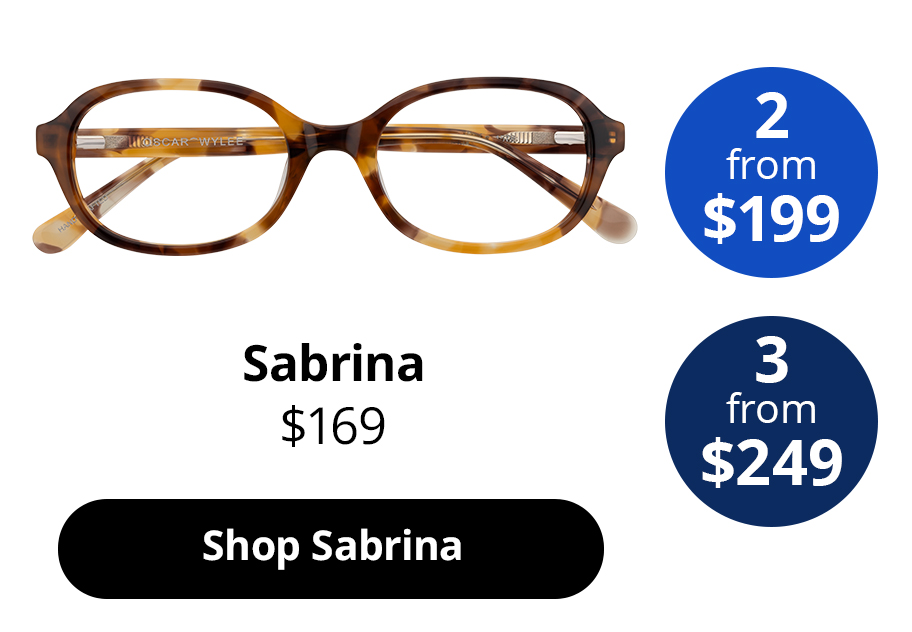
The best glasses colours for warm skin tones include brown, tortoiseshell, gold, olive green, and amber. Popular glasses for warm skin tones at Oscar Wylee are Evie in Feather Moss, Sabrina in Autumn Petal, and Serge in Tobacco. The glasses colours that complement warm skin tones are explained below.
- Brown: Brown glasses provide a natural, flattering look on warm skin tones, bringing out the yellow and peach hues in the skin.
- Tortoiseshell: Tortoiseshell glasses are highly wearable and add warmth to the complexion.
- Gold: Gold glasses enhance golden undertones in warm skin tones and add glamour to your appearance.
- Olive Green: Olive green glasses complement warm skin by adding warmth and softness.
- Amber: Amber glasses are a vibrant choice, providing richness to the face.


Should You Avoid Cool-Toned Glasses?
Yes, generally speaking, if you have warm-toned skin, you should avoid cool-toned glasses. Cool-toned glasses can clash with warm complexions and cause you to look washed out. However, it’s always worth giving any frames you like a try, and it comes down to what makes you feel most confident.
What Are the Best Glasses Colours for Cool Skin Tones?
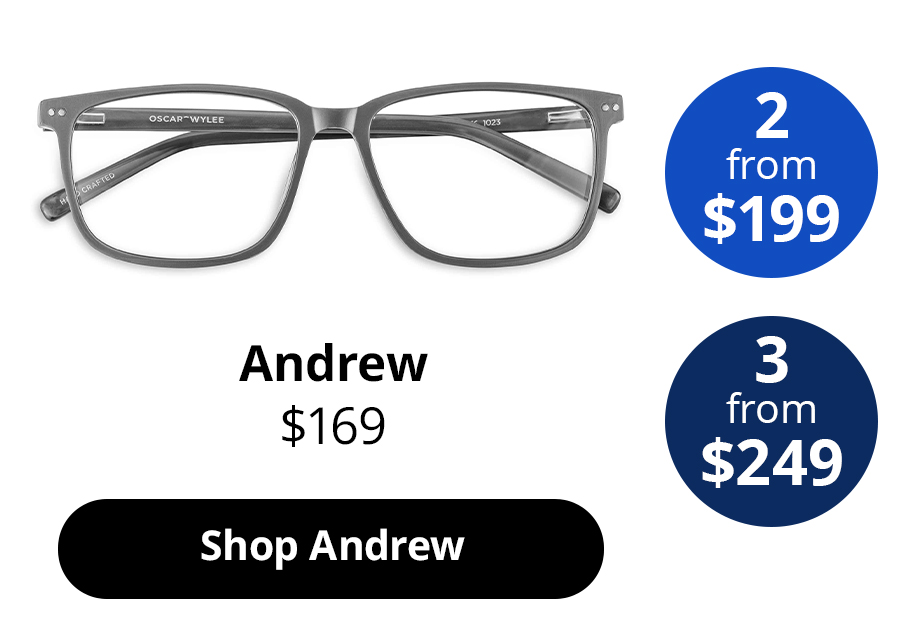
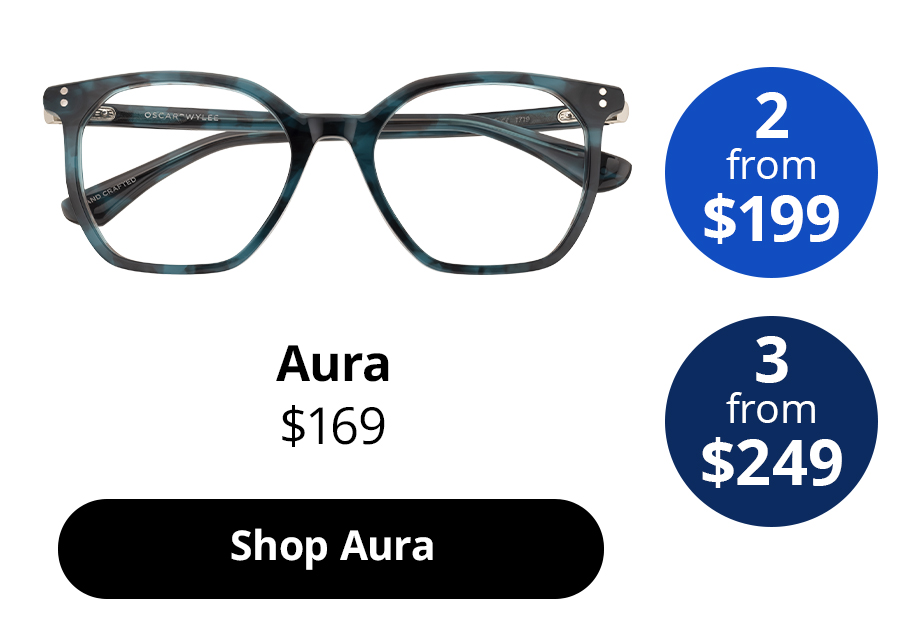
The best glasses colours for cool skin tones are black, silver, blue, grey, and purple. Popular glasses for cool skin tones at Oscar Wylee are Aerin in Silver Metal, Andrew in Bluestone, and Aura in Turquoise Tort. The glasses colours that complement cool skin tones are explained below.
- Black: Black glasses create contrast against cool-toned skin and give off a classic, chic vibe.
- Silver: Silver glasses further enhance cool tones in the skin and instantly brighten your appearance.
- Blue: Blue glasses complement the blue undertones in cool skin and provide a pop of colour.
- Grey: Grey glasses are a neutral shade that balances cool-toned skin and emphasises natural skin tones.
- Purple: Purple glasses bring a vibrant pop of colour and give depth to cool-toned skin.

Can Warm Coloured Frames Still Work?
No, generally speaking, if you have cool-toned skin, warm-coloured frames won’t work well on your skin tone. Warm-toned glasses can clash with cool complexions and cause your skin to look dull. However, it’s always worth giving any frames you like a try, and it comes down to what makes you feel most confident.
Which Glasses Colours are Best for Neutral Skin Tones?
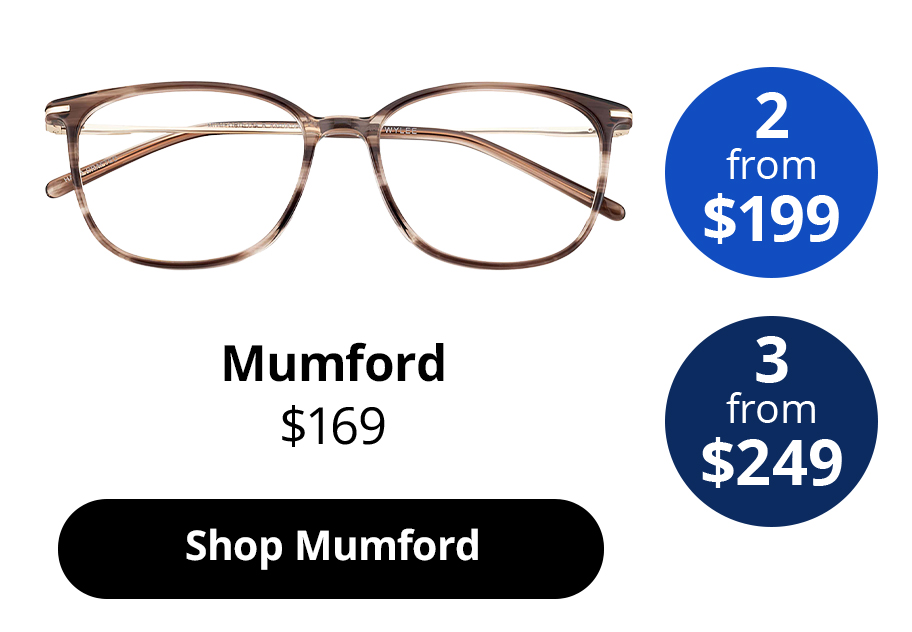
The best glasses colours for neutral skin tones include black, brown, gold, silver, and clear. Neutral skin tones look good in a variety of different colours, meaning you can experiment with a range of frames. Popular glasses for neutral skin tones at Oscar Wylee are Jinky in Obsidian Black, Mumford in Candy Brown, and Francis in Clear Crystal. The glasses colours that complement neutral skin tones are explained below.
- Black: Black glasses provide contrast against neutral skin tones and are a classic shade that goes with every outfit.
- Brown: Brown glasses are a natural and flattering colour that flatters neutral skin tones and complements a range of looks.
- Gold: Gold glasses add warmth and an elegant shimmer to neutral skin tones.
- Silver: Silver glasses create an understated, bright, metallic touch that brightens the complexion.
- Clear: Clear glasses offer a clean, modern look that matches many outfits.


Can Neutral Skin Tones Wear Almost Any Frame Colour?
Yes, neutral skin tones can wear almost any frame colour, as they have a mix of warm and cool undertones. This allows great flexibility when choosing glasses, as many colours will work.
How Do Hair and Eye Colour Affect Your Glasses Choice?
Hair and eye colour affect your glasses choice because they will determine what colours suit you best. For example, warm blonde hair may be enhanced by warm colours like tortoiseshell, peach, and light gold, whereas cool ashy red hair will pop against blues, dark greys, and muted greens. When it comes to eye colour, the wearer may wish to wear complementary colours, or match their frames to their eyes for a bold look.
Should Hair and Eye Colour Matter as Much as Skin Tone?
Yes, hair and eye colour can matter as much as skin tone when choosing the most complementary glasses colour, because they complete your face’s overall colour palette. It is important to consider how your hair and eye colour will affect the appearance of your frames after choosing glasses that complement your complexion.
What Mistakes Should You Avoid When Choosing Glasses for Your Skin Tone?
The mistakes you should avoid when choosing glasses for your skin tone are ignoring undertones, choosing trends only, skipping try-ons, overlooking lighting, and ignoring personal style. These mistakes are explained further below.
- Ignoring Undertones: Ignoring undertones can reduce colour harmony and make you appear washed out. Make sure you learn your undertones and choose glasses based on this. For example, if you have warm undertones, warm-toned glasses will generally look better on you.
- Choosing Trends Only: Choosing trends only can be a mistake when choosing glasses, because their fit and colour matter more than a fleeting trend.
- Skipping Try-Ons: Skipping try-ons limits comparison to other shapes and colours, which can be a mistake when choosing glasses. Aim to try on a variety of shapes and colours to decide what looks best.
- Overlooking Lighting: Overlooking lighting can be a mistake, as colours can change in different lighting. Try viewing your frames in natural lighting before making a decision.
- Ignoring Personal Style: Ignoring personal style can be a big mistake when choosing glasses for your skin tone. Although it is recommended to choose colours based on your natural complexion, ignoring your style can mean your frames don’t work with your outfits or personal vibe. Choose frames you feel best in that make you feel confident.
Is Trying Frames in Different Lighting Worth It?
Yes, trying frames in different lighting is worth it when choosing the best glasses for your skin tone. Artificial lighting can affect how your frames appear against your natural skin tone, so try your frames on in natural light to get a sense of their true appearance.