


 1300 164 990

How Many Times Do You Blink a Day?
Updated on February 17th, 2026
Published on January 16th, 2026
The average person will blink around 13,440 to 16,320 times a day, according to The Cleveland Clinic. The average, healthy amount a human should blink per minute is 15-20 times, according to a study in the National Library of Medicine, which should amount to people blinking around 900-1200 times per hour. The exact amount will vary from person to person; this is a common range that the majority will fall in. Blinking is an important function of the eye; it keeps the eye surface well hydrated, removes debris and foreign particles and prevents the irritating sensation of dry eyes. Read on for all there is to know about the process of blinking, the influence of screen time and how to ensure healthy blinking habits.
How Long Does a Single Blink Last?
A single blink can last on average 100-150 milliseconds, according to a study done by the University College London team. A study found referenced on the Harvard Bio Numbers Database expands this range to 100 to 400 milliseconds.
Why Do Humans Blink?
Humans blink to stop the cornea at the front of the eye from drying out. The eyelid, which closes during the process of blinking, spreads tear fluid across the eye surface to keep it moist, according to The Omni Eye Centre. Additionally, it can help clear away foreign particles in the eye.
Why is Blinking Good for Your Eye Health?
Blinking helps protect your eyes as it decreases the risk of having dry eyes, protects your eyes from irritants and infection, and is used as a medium for transport of oxygen and nutrients to your eyes, according to the Cleveland Clinic.

How Does Blinking Support Tear Film Stability?
Blinking supports tear film stability as the force of each blink allows meibum oil to be expressed and be spread across the lid when the eyes close, according to Modern Optometry. The meibum combines with water and mucus in the eye area to create a thin film to constantly lubricate the eyes, according to Rowville Eyecare.
Can Blinking Prevent Eye Irritation From Screens?
Yes, blinking can prevent eye irritation from screens. Intentionally blinking is important when using digital devices. This is because you blink less when looking at screens, only around three to seven times a minute as opposed to the typical 15 times, according to the Cleveland Clinic. A lack of blinking leads to dry eyes and subsequently, irritation.
How Does Blinking Keep the Eyes Moist and Comfortable?
Blinking keeps the eyes moist and comfortable as it spreads a natural tear film over our eyes. This tear film has three layers that work together: the Oil Layer that helps to prevent evaporation of tears, the Aqueous Layer which is the watery section and the thickest layer, and the Mucin layer which helps the tear film to adhere to the surface to the eye according to the Better Health Channel. These layers of tear film ensure eyes are kept moist and comfortable,
Can Blinking Deliver Oxygen to the Eye?
Yes, blinking can deliver oxygen to the eye. Blinking cleans the surface of your eye of any debris and washes it away with fresh tears. The tear film transfers oxygen from the surroundings to the cornea, as the cornea lacks blood vessels to receive it directly, according to the Discover Eye Organisation. The delivery of oxygen and nutrients keeps your eyes healthy.
What Can Happen If You Don't Blink?
If you don’t blink or experience infrequent blinking, you can experience dry eyes, increased risk of eye infections such as pink eye or corneal swelling, according to Brimhall Eye Centre. Signs that you are not blinking enough include blurred vision, light sensitivity, eye fatigue and strain.
What Eye Damage Can Occur When Blinking Is Reduced?
The eye damage that can occur when blinking is reduced can entail surface cellular breakdown, surface attached filaments and altered nerve sensitivity and potentially more serious conditions such as infective ulcers and scarring. It is important to consult an optometrist immediately when there are changes to your regular blinking.
Can Reduced Blinking Cause Long Term Vision Problems?
Reduced blinking does not generally lead to long term vision problems. Short term problems can come as a result of reduced blinking such as dry eyes or corneal swelling. Generally however, reduced blinking will not bring about any long term vision problems unless it goes on for a long time.
What Happens in the Body When We Blink?
In the body, when we blink, there is a shared activation of muscles called the orbicularis oculi and the levator palpebrae, according to Science Direct. This movement is often triggered reflexively or sometimes intentionally.
How Do Humans Control Blinking?
Humans do not control blinking most of the time. Blinking is a reflex that happens due to the functioning of the autonomic nervous system, a network of nerves throughout your body that controls unconscious processes, according to the Cleveland Clinic. Unless you intentionally blink, such as through blinking exercises, blinking is otherwise reflexive action.
What Causes You to Blink More or Less Often?
The causes that can make someone blink more include dry eye symptoms, allergies, blepharitis, or eye infection. Alternatively, excessive digital device use and certain neurological conditions, such as Parkinson's disease, can decrease blinking according to Blue Fin Vision.
What Eye Conditions Can Cause Excessive Blinking?
Eye conditions that can cause excessive blinking include dry eye, allergies, or infection. More serious conditions such as Trichiasis occur when the eyelashes grow inward towards the eyeball, or Blepharitis, when eyelid inflammation occurs, according to All About Vision. Excessive blinking can be a sign of these conditions, and it is best to consult your closest Oscar Wylee Optometrist to get professional advice.

How Does Screen Time Affect How Often You Blink?
Screen time affects how often you blink. People blink less when using digital devices. The Optometrists Organisation describe a 2018 study which found people blink more than 50% less when using a computer. This will ultimately affect the eye’s moisture content, as blinking spreads tear fluid across the surface of the eye. Less blinking as a result of screen time will likely lead to dry eyes and irritation.
Does Age Affect Blink Rate?
Yes and no, age can affect blink rate. Blink rate is most likely to be influenced by factors such as eye dryness, the presence of other eye conditions, and digital screen usage. Eye dryness can increase as you age, according to the Optometrists Organisation. This can lead to an increased blink rate.
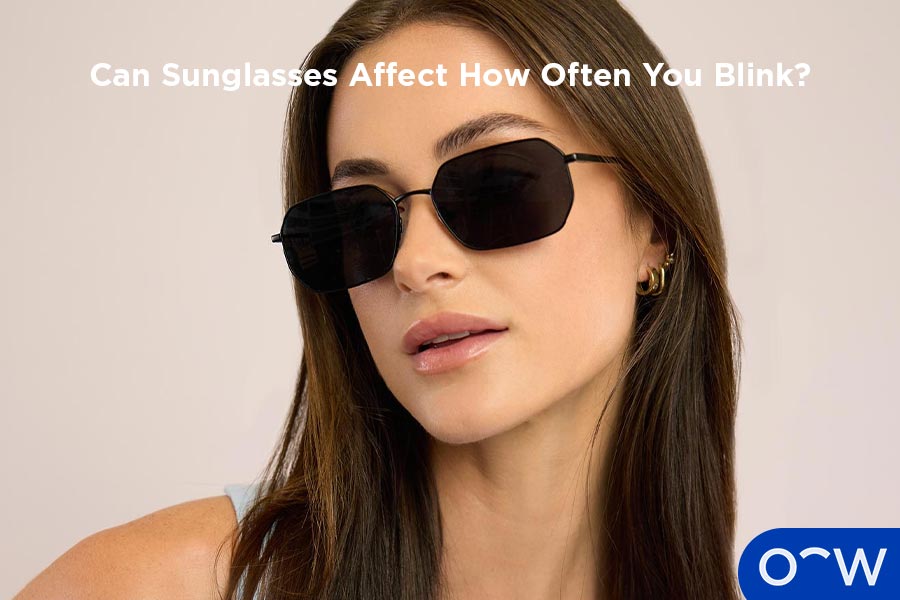
Can Sunglasses Affect How Often You Blink?
Yes, sunglasses can affect how often you blink. Wearing sunglasses can protect your eyes from UV radiation, wherein one of the symptoms of this can include excessive blinking, according to the Cancer Council.
What Are the Warning Signs of Blinking Problems?
There are various warning signs of blinking problems to look out for. Notably, excessive blinking can be a problem caused by factors such as eye strain, eye injuries, or potentially more serious issues such as Blepharitis which refers to eyelid inflammation. If you experience pain while blinking, this could be caused by factors such as infection, corneal ulcer, or wearing ill-fitting contact lenses, according to the Cleveland Clinic. It is important to see an optometrist or medical professional if you experience any of these symptoms.
How Blinking is Related to Eye Disease?
Blinking is not necessarily related to eye disease. However, irregular blinking can be a sign of certain eye diseases. For example, blepharitis which is the inflammation of the eyelid, can often lead to excessive blinking.
How Does Blinking Prevent Eye Conditions?
Blinking can prevent eye conditions such as dry eye syndrome and irritation that can arise as a result of foreign bodies making contact with the eye surface. However, the act of blinking solely by itself does not fully prevent eye conditions, and other healthy habits, such as diet and regular eye tests, can help maintain healthy eyesight.
How Do Glasses and Lenses Affect Blinking?
Glasses and lenses may affect blinking. Wearing glasses with accurate lenses to your vision needs can prevent eye strain and as a result, allow for a more regular blink rate. If incorrect prescription glasses and lenses are being worn, your eyes will be tired out more easily, which can lead to dry eyes and reduced blinking.
Can Abnormal Blinking Indicate Eye Disease?
Yes, abnormal blinking can indicate eye disease in some cases. For example, blepharitis which is the inflammation of the eyelid, can often lead to excessive blinking. In some cases, the abnormal blinking can be the result of a condition in the body unrelated to the eye, such as Blepharospasm, which is the involuntary twitching, blinking or closure of the eyelids resulting from any cause, according to the Better Health Channel.
Can Wearing Glasses Improve Blinking Efficiency and Eye Lubrication?
Wearing glasses does not directly improve blinking efficiency and eye lubrication. Wearing prescription glasses can decrease eye strain and lead to a regularised blinking rate, which is important for eye lubrication. However, wearing glasses is not a direct or effective way to improve both of these things.
Why Do Some People Blink Excessively?
People may blink excessively due to reasons such as foreign bodies in the eye, conjunctivitis, dry eyes or blepharitis. Beyond eye conditions such as these, excessive blinking can also be attributed to disorders such as benign essential blepharospasm, which is the spasm of your eye muscles, causing rapid involuntary blinking.
Can Too Much Blinking Signal Eye or Neurological Problems?
Yes, too much blinking can signal eye or neurological problems. Too much blinking can be an indication of eye problems such as dry eyes, conjunctivitis, or blepharitis. Neurological disorders such as Parkinson’s often lead to a reduced rate of spontaneous blinking, according to Healthline.
Can Stress and Eye Strain Cause Rapid Blinking?
Yes, stress and eye strain can cause rapid blinking. Stress is written to be a factor in increased eye blinking, according to Healthline. Eye strain is an effect of stress also, making both potential causes for rapid blinking.
Can Blue Light Glasses Help With Rapid Blinking and Dry Eyes?
Yes, blue light glasses can potentially help with rapid blinking and dry eyes. Blue light glasses refer to frames that have a blue light filter. These aim to block or reduce the artificial and potentially harmful blue light that emits from digital screens. The blue light filter can reduce eye strain, which is often associated with rapid blinking and dry eyes.
Which Sunglasses Are Best for All Day Eye Comfort?
The sunglasses that are best for all day eye comfort are those with lens category two or three UV protection, according to Glaucoma Australia. These glasses provide optimal protection and are safe to wear when driving.
Are Prescription Sunglasses Better for Eye Relaxation?
Yes, prescription sunglasses can be better for eye relaxation. Non-prescription sunglasses will never be as comfortable an option for those who have prescriptions, as these don’t allow for visual clarity. Prescription sunglasses provide sun protection as well as vision correction, which can make the eyes more relaxed, so wearers do not have to strain their eyes to see clearly.
Do Tinted Sunglasses Reduce Eye Strain?
Yes, tinted sunglasses can reduce eye strain. Dark amber or brown lenses are known for reducing eye strain, according to the Optometrists Organisation.
How Can You Maintain a Healthy Blink Rate?
To maintain a healthy blink rate make sure to take frequent breaks when using digital devices, do eye exercises, and apply eye drops when necessary. Read more about these steps to maintain a healthy blink rate below.
- Breaks Using Digital Devices: Take breaks while using digital devices. Frequent, prolonged usage can lead to lessened blinking and eye strain. A good rule to follow is the 20-20-20 rule. Every 20 minutes take a break from tasks like computer work, look into the distance for about 20 seconds while doing 20 full blinks.
- Eye Exercises: Do eye exercises specifically for regular blinking to maintain a healthy blink rate. Simple exercises such as closing your eyes for two seconds, squeezing them for another two and reopening them for a minute can be effective.
- Apply Eye Drops: Applying optometrist recommended lubricating eye drops is a great way to moisturise your eyes. A low rate of blinking is often attributed to dry eyes, so having eye drops to allow for a moist surface can allow for a health rate.
How Can You Train Yourself to Blink More During Screen Use?
You can train yourself to blink more during screen use by utilising the 20-20-20 rule. This entails every 20 minutes, taking a break from tasks like computer work, looking into the distance for about 20 seconds while doing 20 full blinks. This eye exercise provides consistent, proper blinking and lubricates the surface of your eyes, according to Westmead Eyes Optometrists.
What Daily Habits Support Natural Blinking?
Daily habits can support natural blinking and ensure it is not being done in excess. Take lubricating eye drops to combat dry eyes and therefore minimise your excessive blinking. Make sure to take frequent breaks when you are on the computer and get some time outdoors if you are inside. Implementing eye exercises can also be a seamless way to support natural blinking, such as Figure Eight movements and the 20-20-20 rule.
Do Healthy Eye Care Routines Encourage More Consistent Blinking?
Healthy eye care routines, namely blinking exercises, can encourage more consistent blinking. If you frequently use digital devices in your everyday life, the 20-20-20 rule is important to utilise. Every 20 minutes, look into the distance for about 20 seconds and do 20 full, slow blinks. Another simple one is to close your eyes for two seconds, squeeze them for another two and reopen them, repeating this process for one minute, according to Innovative Eye Care. Incorporating these blinking exercises into your routine will allow for more consistent, intentional blinking.
It should be noted that the information provided is for educational purposes only and does not constitute medical advice. Please consult with a qualified optometrist for a professional diagnosis.