


 1300 164 990
Vision Therapy
Published on August 28th, 2026
Vision therapy, also known as visual therapy, refers to a program tailored to improve a patient’s visual abilities, according to the Better Health Channel, Victoria. Vision therapy may differ from other typical treatments as it focuses on how the eyes work together as opposed to the physical eye. The benefits of vision therapy may include potential improvement for conditions such as lazy eye (amblyopia), misaligned eyes or convergence insufficiency.
What is Vision Therapy?
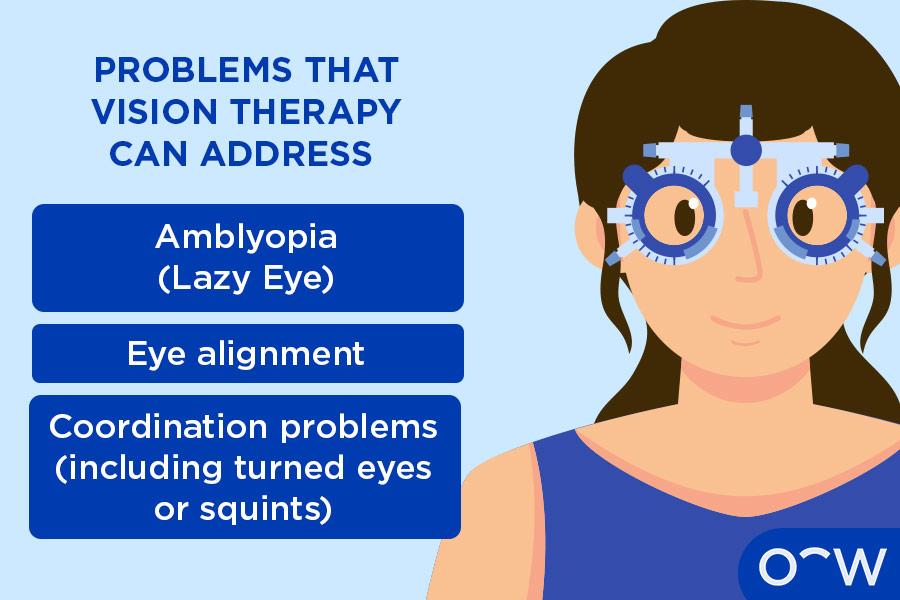
Vision therapy is defined as a personalised program revolving around visual training to help improve certain eye conditions. Vision therapy works to try to improve lazy eye (amblyopia), eye alignment, binocular coordination and poor near focus.
What is Vision Therapy Used For?
Vision therapy is used to help improve visual skills, such as eye tracking, convergence, focusing (accommodation) and binocular coordination. It may often be recommended for patients diagnosed with misaligned eyes, lazy eye, convergence insufficiency, crossed eyes and double vision. However, it is important to note that outcomes may vary between individuals according to the severity of their conditions.
Can Vision Therapy Help Improve How the Eyes Work Together?
Yes, vision therapy can help improve how the eyes work together by assisting the brain and eye muscles. Vision therapy is designed to train the eyes to use signals from both eyes, improve their ability to point at the same spot, and reduce the risk of double vision.
What Problems Can Vision Therapy Address?
The problems that vision therapy can address include convergence problems, eye-focusing (accommodation) problems, eye tracking and eye coordination. The problems that vision therapy can address are listed below.
- Convergence Problems: Convergence problems such as convergence insufficiency may be managed with vision therapy, as it helps train the eyes to turn inward together for near-vision tasks.
- Eye-Focusing Problems: Eye-focusing problems may be managed with vision therapy, as it may help with strengthening the eye muscles and the focusing system’s flexibility.
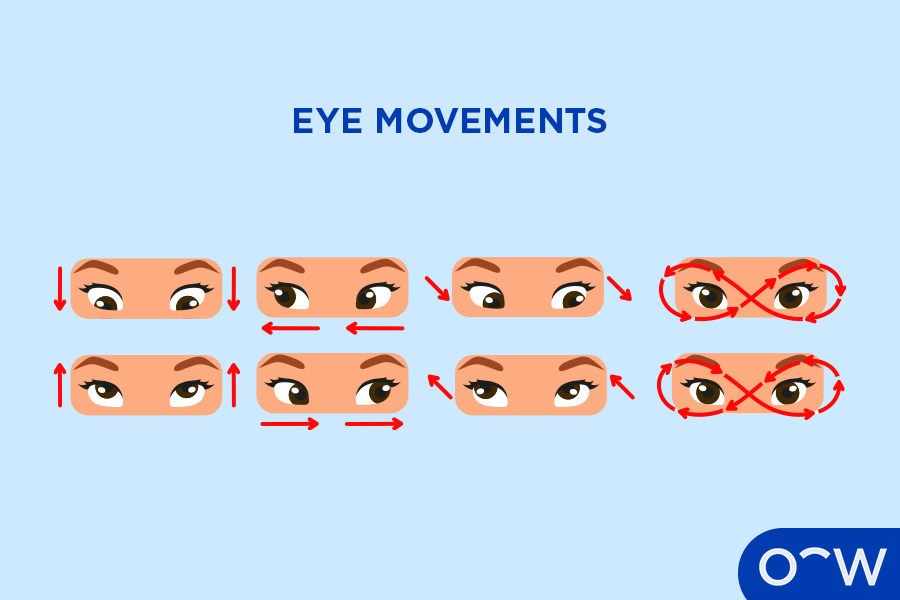
- Eye Tracking: Eye tracking can be improved through vision therapy by training the eyes to move smoothly and accurately together.
- Eye Coordination: Eye coordination can be worked on through vision therapy with the help of certain exercises that teach the eyes to work together to point at the same position.
1. Convergence Problems
Convergence problems, such as convergence insufficiency, may require vision therapy to help improve the eyes’ ability to move toward the same spot. Vision therapy can help through convergence exercises that focus on retraining your nerves so your eyes can aim properly.
2. Eye-Focusing Problems
Eye-focusing problems, such as changing and maintaining focus for close-vision tasks, may be managed with vision therapy. Vision therapy can aid with focusing issues through certain exercises, which focus on improving eye muscle strength and training the eyes to quickly switch focus for near and far focus.
3. Eye Tracking
Eye tracking may require vision therapy to aid in strengthening the connection between the eye and the brain. Vision therapy will include specific eye exercises designed to train the eyes to move smoothly between different focal points.
4. Eye Coordination
Eye coordination is important as it helps with maintaining correct eye alignment and may require vision therapy to help the brain combine images from both eyes to create a clear single picture. Vision therapy for eye coordination may involve exercises, such as pencil push-ups, Brock string, or practising shifting your focus.
Can Vision Therapy Help With Crossed Eyes
Yes, vision therapy may help with crossed eyes by training the eyes and the brain to work together more optimally. Eye exercises from vision therapy can aid with eye movement, eye focusing and eye teaming.
What Happens During Vision Therapy?
During vision therapy, you will follow a structured program prescribed by an optometrist and completed through both in-practice sessions and targeted home exercises. It is important to note that each program differs between individuals depending on their condition.
What Vision Therapy Exercises are Commonly Used?
The vision therapy exercises that may be commonly used can include Brock strings, jump ductions, pencil push-ups, accommodation cards, prisms, apps and programs. These can aid in building eye coordination and focusing stamina.
Who May Benefit From Vision Therapy?
The people who may benefit from vision therapy can include children and young adults, depending on their condition. Children who are having difficulty focusing their eyes, eye coordination issues, tracking difficulties or convergence insufficiency can benefit from vision therapy. Young adults who may be experiencing vision problems that impact their ability to perform day-to-day tasks can also benefit from vision therapy. Vision problems can either develop during adulthood or continue from childhood, therefore making vision therapy also suitable for young adults. It is important to note that while vision therapy is available to everyone, it may be more effective for children and young adults, according to the Better Health Channel, Victoria.
Can Adults Benefit From Vision Therapy?
Yes, adults may benefit from vision therapy depending on the severity of their condition. However, it may be more effective for young adults and children. It is important to consult with an optometrist to confirm what form of intervention is suitable for you.
How does Vision Therapy Compare With Other Treatments?
Vision therapy, compared with other treatments, works differently as it focuses on the connection between the brain and the eye. Other treatments may typically involve correcting how light entering the eye is bent or making surgical alterations to the eye. Prescription glasses help correct refractive errors and improve vision clarity; eye surgery may aid with physical alignment or correcting the shape of the cornea; and vision therapy involves training eye coordination and visual processing.
How is Vision Therapy Different From Eye Exercises?
Vision therapy may not technically be different from eye exercises, as it is essentially the same thing. Most regular eye exercises, however, can be done at home after an eye care professional advises which ones to perform, and may aid in reducing eye strain, improving eye teamwork and coordination.
What are the Advantages of Vision Therapy?
The advantages of vision therapy include eye coordination, focusing and targeted treatment. The advantages of vision therapy are listed below.
- Eye Coordination: Eye coordination can improve through vision therapy by helping the brain and eyes work together more effectively.
- Focusing: Focusing may be improved through eye therapy by training the brain-eye connection. Some conditions may make it difficult for the eyes to quickly shift and maintain focus between different places.
- Targeted Treatment: Having targeted treatment within your vision therapy program may be an advantage, as it is tailored to your specific poor visual functions.
Can Vision Therapy Improve Visual Skills and Eye Function?
Yes, vision therapy can improve visual skills and eye function depending on the severity of your condition. However, it is important to note that vision therapy may only be effective in improving visual skills and eye function for certain types of eye conditions.
Does Vision Therapy Work for Every Vision Problem?
No, vision therapy does not work for every vision problem. While it can effectively aid with conditions such as convergence insufficiency, lazy eye, crossed eyes and poor eye tracking, it cannot help with correcting refractive errors like myopia, hyperopia, or astigmatism.
How do you Access Vision Therapy?
You may access vision therapy through an optometrist after receiving an eye test. They will be able to recommend regular eye exercises to perform suitable for your condition.
Should You See an Optometrist or Orthoptist for Vision Therapy?
Yes, you should see an optometrist for vision therapy. An optometrist is typically the primary eye care professional to see for vision and eye problems and sudden changes in vision.