


 1300 164 990
Usher Syndrome: Symptoms, Treatment and Types
Published on April 23rd, 2026
Usher syndrome is a genetic condition causing both vision and hearing impairment, with some people experiencing balance problems too, according to Better Health Channel. People with Usher syndrome have gradual vision loss due to the eye condition called retinitis pigmentosa. Usher syndrome is categorised into three groups depending on symptoms: types 1, 2 and 3. Read more about Usher syndrome, such as symptoms, treatment and the different types below.
It is important to note that this article is general in nature and should not be used as a sole source of medical advice. Please consult an Optometrist, who will likely refer you to a range of health specialists if you are experiencing the symptoms mentioned in this article.
What is Usher Syndrome?
Usher syndrome is a genetic condition causing hearing loss or deafness, vision loss and in some cases, balance issues. The vision loss is caused by an eye disease called retinitis pigmentosa (RP), which affects the retina at the back of the eye.
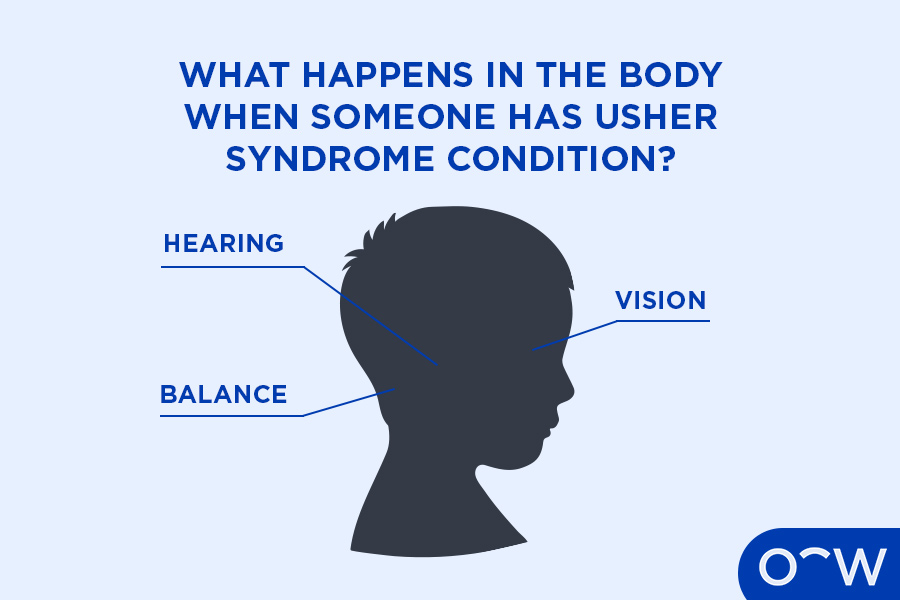
What Happens in the Body When Someone Has Usher Syndrome Condition?
When someone has Usher syndrome, the body experiences hearing loss, vision impairment and sometimes balance issues, which all generally worsen over time.
Is Usher Syndrome an Inherited Condition?
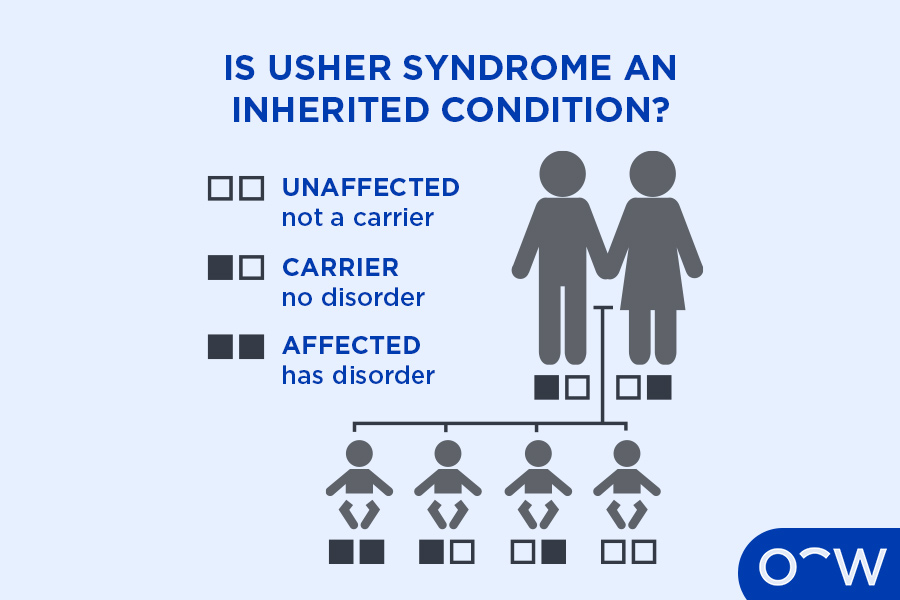
Yes, Usher syndrome is an inherited condition. It occurs when both parents carry the gene associated with Usher syndrome, making it a one in four chance of having a child with the syndrome, according to the University of Melbourne.
What are the Main Symptoms of Usher Syndrome?
The main symptoms of Usher syndrome are hearing impairment, reduced vision, and balance problems. It should be noted that these symptoms vary in severity for each person and will depend on the type of Usher syndrome they have. Read more about these symptoms below.
- Hearing Impairment: Hearing impairment is common for those with Usher syndrome, as they will often have partial or total hearing loss.
- Reduced Vision: Reduced vision is common in Usher syndrome. It will often be gradual as a result of retinitis pigmentosa, which encompasses a group of disorders that cause death of photoreceptor cells (i.e. cells that respond to light) in the retina. This will lead to night blindness.
- Balance Problems: Balance problems can occur due to the vision and inner ear impairments that emerge in Usher syndrome.
How do Hearing Loss and Vision Loss Progress in Usher Syndrome?
Hearing loss and vision loss progress in Usher syndrome as both generally start to worsen over time.
Does Usher Syndrome Always Lead to Retinitis Pigmentosa?
Yes, Usher syndrome always leads to retinitis pigmentosa, as vision loss in Usher syndrome comes as a result of retinitis pigmentosa, according to Better Health Channel.
What Causes Usher Syndrome?
Usher syndrome is caused by a change in one or more genes, with around 15 different genes thought to cause Usher syndrome according to the Centre for Eye Research Australia. Individuals with Usher syndrome will have a faulty gene inherited from each parent.
Which Gene Mutations are Linked to Usher Syndrome?
The gene mutations that are linked to Usher syndrome include the genes CLRN1, MYO7A, PCDH15, and USH2A, according to the Foundation of Fighting Blindness. The gene that is mutated will often depend on the type of Usher syndrome. For example, those with Usher syndrome type 1B have mutations in the MYO7A gene.
Is Usher Syndrome Autosomal Dominant or Recessive?
Usher syndrome is Autosomal recessive. This means an individual must inherit two altered genes, one from each parent, to inherit the syndrome, according to the Usher syndrome Coalition.
What are the Different Types of Usher Syndrome?
The different types of Usher syndrome are Type 1, Type 2 and Type 3, according to the Usher Syndrome Coalition. The three different types of Usher syndrome are listed below.
- Type 1: Type 1 is the most severe type that may be noticed before the age of 10.
- Type 2: Type 2 is moderate and notable for causing moderate hearing loss initially, and vision issues in adolescence.
- Type 3: Type 3 is the rarest form of Usher syndrome, where hearing and vision loss develop in adolescence.
1. Type 1 (USH1)
Type 1 of Usher syndrome is characterised by severe hearing loss of the affected individual, who will likely require hearing aids from a young age. Vision loss will be noticeable before 10 years old, and difficulty with balance may be evident from birth.
2. Type 2 (USH2)
Type 2 of Usher syndrome causes moderate hearing loss, while vision loss may not be apparent until adolescence. Balance is not affected in this type of Usher syndrome, so children are likely to walk at the typical age.
3. Type 3 (USH3)
Type 3 is the rarest form of Usher syndrome. Children will have normal hearing and vision at birth; however, this will decrease in adolescence or later in life. Balance problems may occur; however, this is only in some cases.
How Common is Usher Syndrome Worldwide?
Usher syndrome is said to affect more than 400,000 worldwide, according to the Hearing Health Foundation.
Who is Most Likely to be Affected by Usher Syndrome?
The individual who is most likely to be affected by Usher syndrome is someone who has inherited an altered gene, one from each parent. However, the parents of someone with Usher syndrome often do not show signs of the condition, and often there is no history of Usher syndrome in the family, according to the Centre for Vision Research Australia.
Can Carriers of Usher Syndrome Show Symptoms?
No, carriers of Usher syndrome do not typically show symptoms.
How is Usher Syndrome Diagnosed?
Usher syndrome is diagnosed through a combination of hearing, vision and balance tests done by professionals. This can include paediatricians, audiologists, ophthalmologists and allied health professionals, according to the Centre for Eye Research Australia. You will be asked to also provide an overview of your child's health and family history of vision health.
What Tests Confirm Hearing and Vision Loss in Usher Syndrome?
The tests that confirm hearing and vision loss in Usher syndrome will be audiology tests and eye tests.
Is Genetic Testing Required for Diagnosis?
Yes, genetic testing is required for diagnosis as it is a definitive way to confirm the diagnosis and identify the specific gene mutation.
What Treatments are Available for Usher Syndrome?
The treatments available for Usher syndrome will vary for each individual as these cater to vision, hearing and balance issues that are characteristic of Usher syndrome. Some treatments include low vision aids, hearing aids and mobility training. Read more about these treatments below.
- Low vision aids: Low vision aids such as magnifiers, extra lighting, and sunglasses will be helpful for providing increased visual clarity.
- Hearing aids: Hearing aids or cochlear implants, which are surgically implanted electronic devices, can be beneficial for those with impaired hearing as a result of Usher syndrome.
- Mobility training: Mobility training is used for those who have balance issues as a result of Usher syndrome. This can include going to a physiotherapist or occupational therapist, who can provide informed advice and practical guidance for smoother mobility.
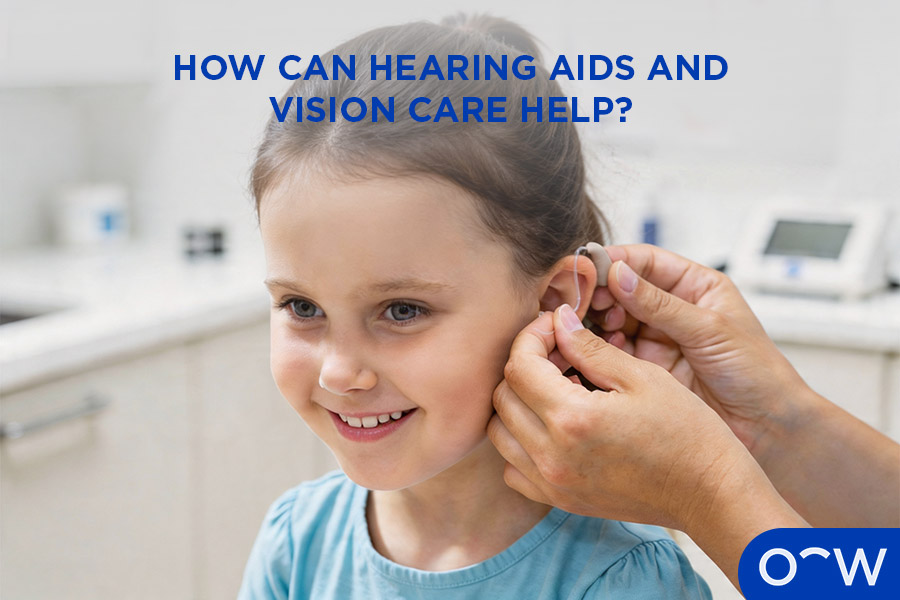
How Can Hearing Aids and Vision Care Help?
Hearing aids and vision care help those with Usher syndrome, who suffer from reduced levels of hearing and vision. Having proper measures in place, such as magnifiers and hearing aids, will allow for better quality of vision and hearing.
Is There a Cure for Usher Syndrome Today?
No, there is no cure for Usher syndrome today as of the time this article was written.
How do Rod Cells Impact Vision Loss in Usher Syndrome?
Rod cells impact vision loss in Usher syndrome due to their relation to retinitis pigmentosa. Retinitis pigmentosa is a common complication of Usher syndrome, wherein individuals experience a gradual decline in vision. This is due to the two types of photoreceptor cells, rod and cone cells, dying over time according to Retina Australia.
What Role do Rod Cells Play in Night and Peripheral Vision?
Rod cells play a key role in night and peripheral vision, as rod photoreceptors are mainly responsible for low light and night vision, according to the Cleveland Clinic.
How do Cone Cells Relate to Central Vision in Usher Syndrome?
Cone cells relate to central vision in Usher syndrome, as these are affected as a result of retinitis pigmentosa, which is a common symptom of Usher syndrome. Cone cells are concentrated in the macula and are useful for central and colour vision, according to Retina Australia. These die over time as a result of Usher syndrome.
Why are Cone Cells Important for Colour and Detail Vision?
Cone cells are important for colour and detail vision as their purpose is to enable sharp vision for seeing objects in the daylight, colour and fine detail according to the Centre for Eye Research Australia.
Do Cone Cells Degenerate in All Types of Usher Syndrome?
Yes, cone cells degenerate in all types of Usher syndrome.
How can Sunglasses Improve Vision Comfort in Usher Syndrome?
Yes, sunglasses can definitely improve vision comfort in Usher syndrome as sensitivity to light is a common result of the condition. Sunglasses can reduce glare and protect from UV.
What Lens Features Help Manage Light Sensitivity in Usher Syndrome?
Lens features that can help manage light sensitivity in Usher syndrome include tinted lenses, photochromic lenses and polarised lenses. Read more about these lens features to manage light sensitivity in Usher syndrome below.
- Tinted Lenses: Tinted lenses have a fixed tint colour and enhance contrast.
- Photochromic lenses: Photochromic lenses automatically adjust to darkness depending on their UV exposure.
- Polarised lenses: Polarised lenses are designed to reduce glare from reflected light.
1. Tinted Lenses
Tinted lenses have a fixed colour that reduces brightness and glare. This lowered light intensity and brightness can be valuable for those with Usher syndrome, as they often have light sensitivity.
2. Photochromic lenses
Photochromic lenses feature lenses that automatically adjust their darkness levels depending on UV exposure. They are a convenient add-on to prescription glasses for those with Usher syndrome, as you will not need to also carry sunglasses.
3. Polarised lenses
Polarised lenses are made to reduce glare caused by light that reflects off surfaces such as water and roads. Excess glare from the outdoors can be irritating to those with Usher syndrome, making polarised lenses a viable option.
What Eyewear Options Support Low Vision in Usher Syndrome?
Eyewear options that support low vision in Usher syndrome predominantly include various forms of sunglasses. For example, sunglasses with tinted or polarised lenses help reduce glare and improve visual comfort and light sensitivity. Options that are not eyewear but can be helpful to improve vision include magnifiers and smart technology.
Are Low Vision Glasses Different From Standard Sunglasses for Usher Syndrome Patients?
Yes, low vision glasses are different from standard sunglasses in the context of patients with Usher syndrome. Low vision glasses have technology such as optical magnifiers and smart technology to aid vision.
What Prescription Glasses are Available for Visual Impairment?
The prescription glasses that are available for visual impairment in relation to Usher syndrome will depend on the visual needs of the individual. While prescription glasses and tints can optimize remaining vision and improve comfort, they do not slow the progression of retinitis pigmentosa.