


 1300 164 990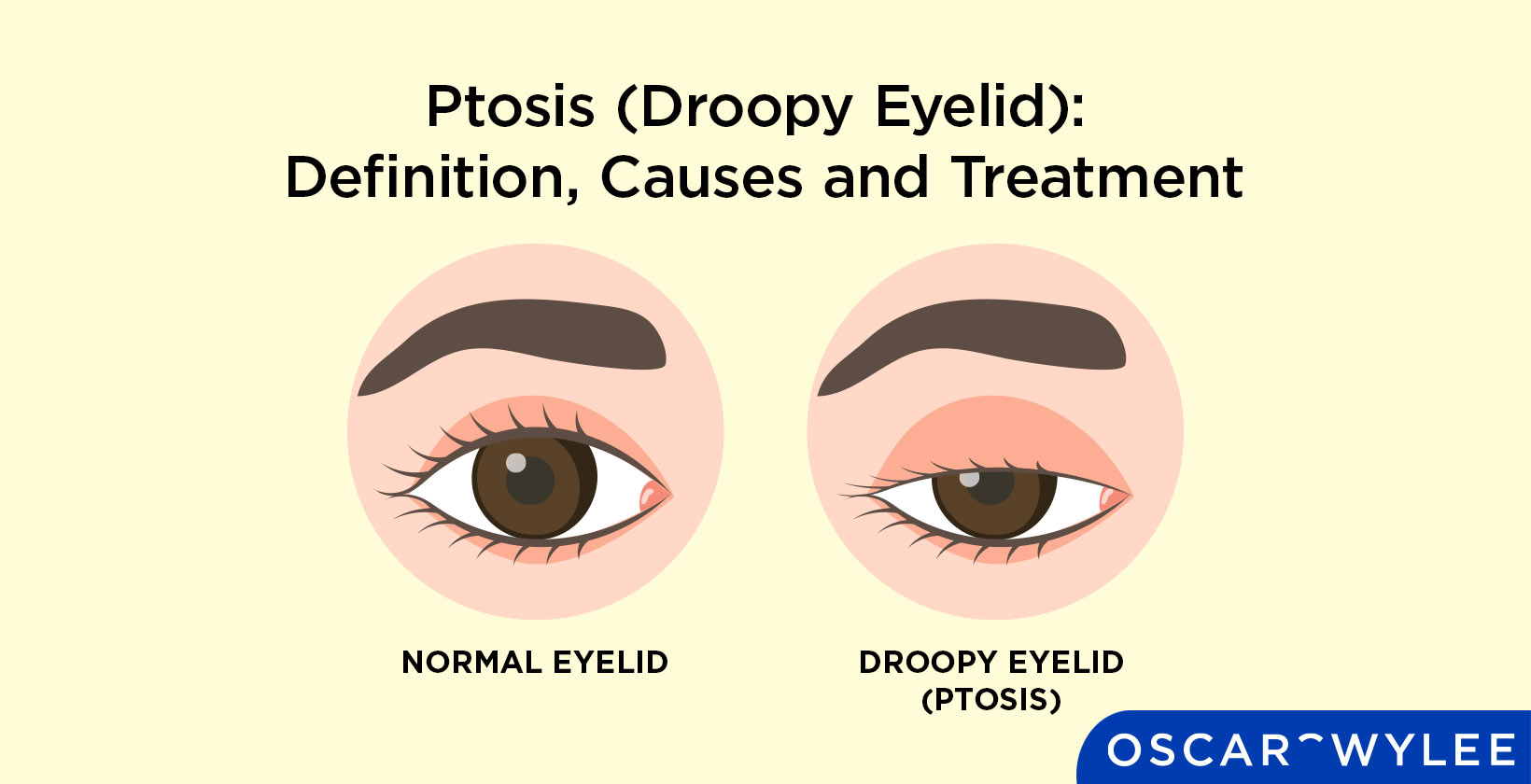
Ptosis (Droopy Eyelid): Definition, Causes and Treatment
Published on April 20th, 2026
Ptosis is when the upper eyelid of one or both eyes droops over the eye. It can be mostly unnoticeable, or the eyelid can sag to the extent that it covers the pupil, inhibiting vision. The main symptoms of ptosis are drooping eyelid, reduced vision, eye strain, head tilt, and uneven eyes. The causes of ptosis include aging, eye injury, a side effect of certain eye surgery, or other diseases that can affect the eyelid muscle. A GP, doctor, orthoptist, or optometrist can perform specific tests to diagnose ptosis and its impact on vision. The most common treatment for ptosis is usually surgery, but patients may also benefit from using specialised eyewear called ptosis crutches. Patients who don't undergo surgery may benefit from wearing specific glasses frame shapes that can help disguise ptosis, including square and rectangular frames or subtle cat eye frames. Congenital ptosis, referring to those born with the condition, cannot be prevented, but the risk of acquired ptosis may be reduced by protecting eyes from injury, treating allergies and chronic eye rubbing, managing underlying conditions like diabetes, and maintaining a healthy, nutritious diet. Regular eye tests are essential for early detection of ptosis.
Sudden-onset ptosis (droopy eyelid) can be a medical emergency, especially if accompanied by double vision, pain, or pupil changes. If you experience a sudden onset of droopy eyelid developing over a few hours or days, it may indicate a serious neurological emergency such as a stroke or brain aneurysm. Seek immediate medical attention at an emergency department or contact emergency services if the drooping is accompanied by double vision, a change in pupil size, a severe headache, or facial weakness. While most ptosis is gradual and benign, a sudden change requires urgent clinical evaluation to rule out life-threatening conditions.
What is Ptosis (Droopy Eyelid)?
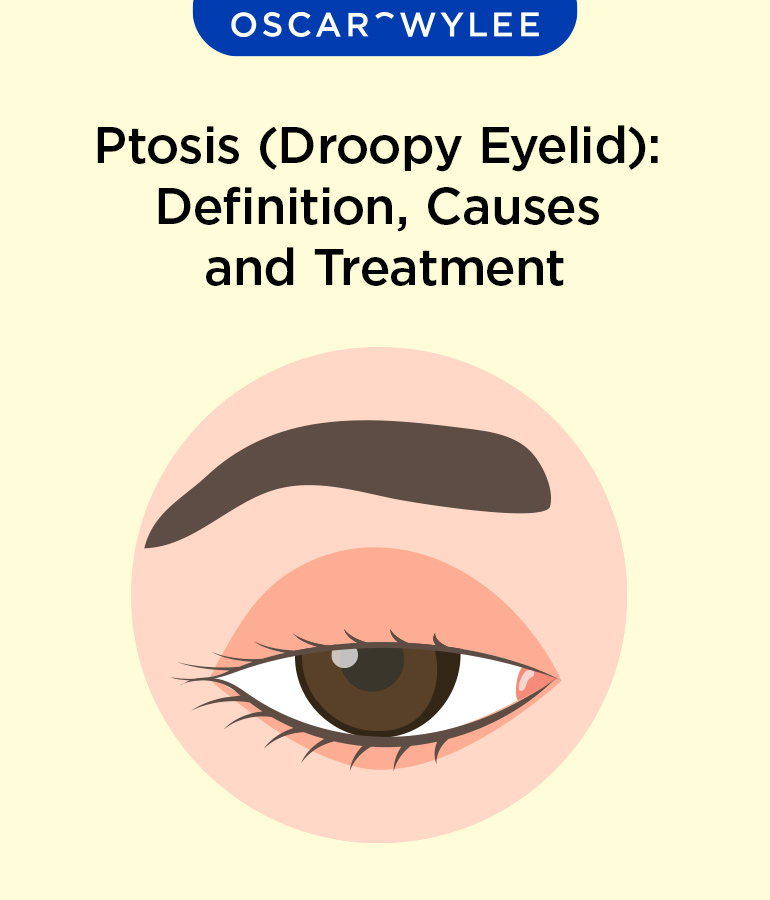
Ptosis is the abnormal drooping of the upper eyelid. It occurs when the eyelid muscle, called the levator muscle, fails to lift the lid properly. It may affect one or both eyes and can impair vision if it is severe. Ptosis is often just a symptom of aging, but it could indicate neurological or muscular disease.
How does Ptosis (Droopy Eyelid) Affect the Eye?
Ptosis affects the eye as it causes drooping of the eyelid, which can obstruct vision, create an asymmetrical appearance, and lead to eye fatigue. In children, ptosis can lead to the development of amblyopia (lazy eye) because their vision may develop improperly.
Is Ptosis (Droopy Eyelid) the Same as Eyelid Drooping?
Yes, ptosis is the medical term for eyelid drooping. It specifically refers to abnormal drooping of the eyelid. Not all ptosis is pathological; it is often a sign of an underlying condition, but it is also commonly a benign, age-related condition. Accurate naming of ptosis aids in the diagnosis of the condition, and mislabelling may delay treatment.
What Causes Ptosis (Droopy Eyelid) in Adults and Children?
The cause of ptosis in adults is usually the result of aging, eye injury, a side effect of certain eye surgery, or other diseases that can affect the eyelid muscle. Adults get ptosis, also known as involutional ptosis, when the levator muscle stretches and separates from the eyelid, according to the Lions Eye Institute. Children can be born with ptosis, and this is called congenital ptosis, according to the Lions Eye Institute. In children, ptosis is usually the result of an underdeveloped or weak levator palpebrae superioris eyelid muscle, according to the Government of Western Australia Child and Adolescent Health Service. Children with ptosis can be at risk of vision problems, and if the eyelid droops enough to obscure vision, amblyopia (lazy eye) can develop, and one eye will have better vision than the other, according to the Lions Eye Institute.
How do Weak Eyelid Muscles or Nerve Damage Trigger Ptosis (Droopy Eyelid)?
Ptosis can be triggered by weak eyelid muscles or nerve damage, as the levator muscles responsible for lifting the eyelid can become weakened or lose nerve stimulation. Weakening of the levator muscles means the eyelid struggles to lift, and nerve damage stops the signal to lift from the brain to the muscle.
Can Contact Lenses Increase the Risk of Ptosis (Droopy Eyelid)?
Yes, prolonged contact lens use may increase the risk of ptosis. Prolonged contact lens use may stretch the eyelid tissues, causing ptosis. Ptosis caused by prolonged contact lens use is called contact lens-induced ptosis (CLIP). The repeated pulling and stretching of the upper eyelid during contact lens insertion can weaken the eyelid's muscle (levator aponeurosis) over time. The risk of contact lens-induced ptosis is generally low, and proper usage reduces the risk of development. At Oscar Wylee, we do not sell contact lenses or provide contact lens appointments.
What are the Common Symptoms of Ptosis (Droopy Eyelid)?
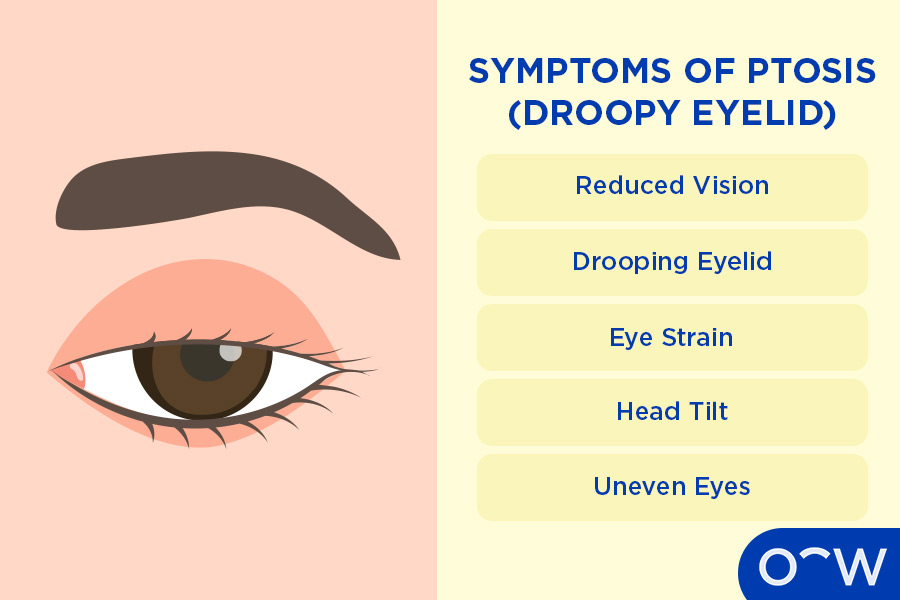
The most common symptoms of ptosis include drooping eyelid, reduced vision, eye strain, head tilt, and uneven eyes. A list of common symptoms of ptosis can be read below.
- Drooping eyelid: Drooping eyelid is the most common sign of ptosis, according to the Lions Eye Institute. This is where the upper lid falls lower than normal.
- Reduced vision: Reduced vision may occur if the eyelid droops enough to partially or completely cover the pupil, which can obstruct the line of sight.
- Eye strain: Eye strain can occur as a result of ptosis when a patient experiences fatigue from the constant effort to lift the lid and see.
- Head tilt: Head tilt refers to a patient tilting their head back to try to see under the lid, which can cause head and neck problems, according to the Lions Eye Institute. Patients may also raise their eyebrows repeatedly to try to lift the lid.
- Uneven eyes: Uneven eyes refers to the affected lid appearing lower or smaller than the other, according to the Lions Eye Institute.
How Is Ptosis (Droopy Eyelid) Diagnosed?
A GP, doctor, orthoptist, or optometrist can perform specific tests to diagnose ptosis and its impact on your vision, according to the Centre for Eye Research Australia. These tests include precise measurements of the eyelid position and muscle strength evaluation. After this, they can decide whether further testing is needed to check for more serious problems relating to the condition. Children can be diagnosed with ptosis by a Maternal Child Health Nurse, but it is important to take your child to a GP or optometrist if you think they have the condition, according to the Centre for Eye Research Australia.
How is Ptosis (Droopy Eyelid) Linked to Other Eye Problems?
Ptosis can be linked to other eye problems such as amblyopia (lazy eye), astigmatism, blurry vision, and diplopia (double vision). Ptosis's link with amblyopia (lazy eye) is more commonly seen in children, as untreated ptosis can lead to the development of a lazy eye where one eye does not develop normal vision, according to the Lions Eye Institute. The weight of a droopy eyelid can sometimes push onto the eyeball, which may change its shape, causing astigmatism and, therefore, potentially blurred vision. Double vision, or diplopia, can also occur due to muscle weakness or nerve issues.
Is Ptosis (Droopy Eyelid) Considered a Common Eye Problem?
Yes, ptosis is considered a relatively common eye problem. The likelihood of ptosis occurring increases with age. It increases with age because ageing can weaken the eyelid muscles. Congenital cases of ptosis can also occur, which means a patient is born with the condition.
How can Eyewear Help With Vision Challenges Related to Ptosis (Droopy Eyelid)?
Eyewear can significantly help patients with vision challenges related to ptosis by using specialised modifications, such as ptosis crutches. Ptosis crutches mechanically lift the eyelid, which helps to improve a patient's field of vision. This can help patients who do not want to undergo surgery or want a non-surgical solution for their ptosis. Ptosis crutches are often custom-fitted for patients, depending on the severity of their condition. Oscar Wylee does not sell ptosis crutches.
What are the Benefits of Bifocal or Multifocal Lenses for People With Ptosis (Droopy Eyelid)?
Bifocal and multifocal lenses can offer significant benefits for people with ptosis, as they can provide support for ptosis crutches and can correct refractive problems that often accompany the condition. The most significant benefit of bifocal or multifocal lenses for people with ptosis is that they can provide support for ptosis crutches, as these can be attached directly to the frame to help patients with vision challenges related to the condition. Bifocal and multifocal lenses can also, more generally, support near and distance vision, which helps reduce eye strain for patients with ptosis. Oscar Wylee does not sell ptosis crutches.
Do High Index Lenses Make Glasses More Comfortable for Ptosis (Droopy Eyelid)?
Yes, high index lenses can make glasses more comfortable for people with ptosis, particularly if they have a high refractive error. High index lenses are light and thin glasses designed for people with strong or high prescriptions. High index lenses are lighter and thinner, which can aid in comfort by easing pressure for patients with ptosis.
Which Frame Types Suit People With Ptosis (Droopy Eyelid)?
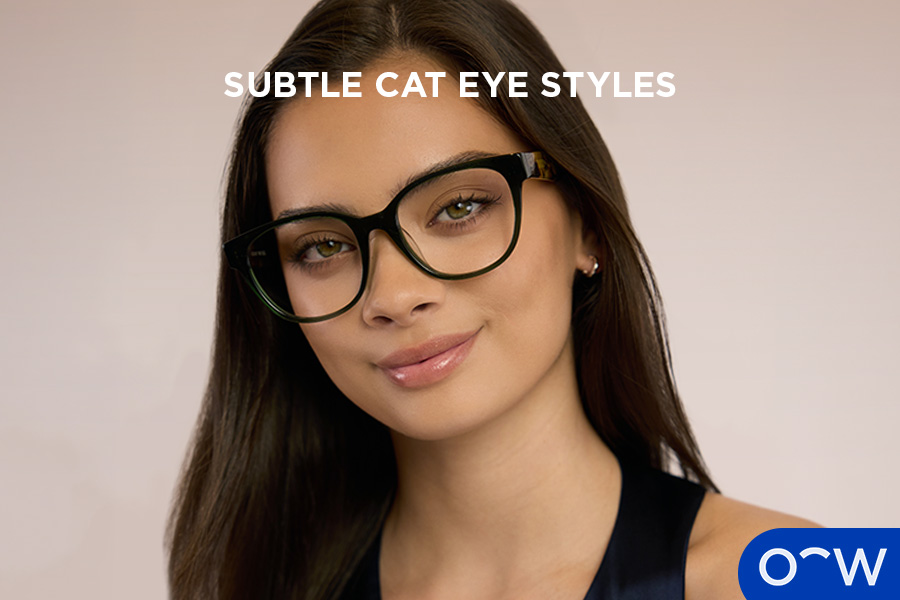
Patients with ptosis may benefit from wearing specific frame shapes that can help disguise the condition aesthetically, which include square and rectangular frames or subtle cat eye frame shapes.
1. Square and Rectangular Frames
Square and rectangular frames can be beneficial for people with ptosis because they provide structural contrast that can draw attention upwards and add definition to the face. Medium-sized frames are ideal to make the eyes appear more open.
2. Subtle Cat Eye Styles
Subtle cat eye frames can be beneficial for people with ptosis because they can give a 'lifting' effect that can counteract the drooping look ptosis can cause.
What are the Treatment Options for Ptosis (Droopy Eyelid)?
Treatment options for ptosis depend on the severity of the condition, but the most common treatment for ptosis is usually surgery. There are several types of surgery a patient can undergo for ptosis, depending on the severity of their condition and their personal preferences. Surgery types include levator resection, frontalis sling operation, Müller's Muscle-Conjunctival Resection, and blepharoplasty. Non-surgical options include prescription eye drops, which can help temporarily lift the levator muscle in mild to moderate ptosis cases. It is important to note that these eye drops require a consultation and prescription from a qualified health professional, and their availability in Australia may still be limited to specialised compounding pharmacies or specific clinical pathways. If a patient's ptosis is caused by an underlying condition, treating this condition may reverse the ptosis.
Any surgical or invasive procedure carries risks. Before proceeding, you should seek a second opinion from an appropriately qualified health practitioner. If surgery is required, an optometrist or GP will provide a referral to an ophthalmologist (eye surgeon).
When is Surgical Treatment Needed for Ptosis (Droopy Eyelid)?
If the droopy eyelids are so low that they interfere with a patient's vision, they may elect to have surgery, according to the Armadale Eye Clinic. A patient may also choose surgery if the ptosis causes functional problems or is a significant cosmetic concern for them. For children, surgery is often crucial because if the ptosis blocks the pupil, it can lead to amblyopia (lazy eye).
Can Glasses be Used as a Supportive Treatment for Ptosis (Droopy Eyelid)?
Yes, glasses can be used as a supportive treatment for ptosis, as they can support ptosis crutches. Ptosis crutches are a good non-surgical option for patients with ptosis, as they help to lift the droopy eyelid. Oscar Wylee does not sell ptosis crutches.
How to Prevent Ptosis (droopy eyelid)?
Congenital ptosis, referring to those born with the condition, cannot be prevented, but the risk of acquired ptosis may be reduced by protecting eyes from injury, treating allergies and chronic eye rubbing, managing underlying conditions like diabetes, and maintaining a healthy, nutritious diet. Protecting the eyes from injury is important, as trauma could potentially lead to ptosis. Treating allergies can also help prevent ptosis, as chronic inflammation and eye rubbing can stretch the delicate eyelid skin and possibly cause ptosis. Maintaining a healthy diet and getting adequate sleep is also important to support overall eyelid health. It is important to note that while a healthy diet and getting adequate sleep are great for overall health, they won't directly prevent mechanical or age-related ptosis.
It is important to note that Oscar Wylee offers optometry services only; this article is for educational purposes only and is not a substitute for professional medical advice, diagnosis, or treatment.