


 1300 164 990
Best Sunglasses for Driving
Published on September 3rd, 2026
The best sunglasses for driving are Category 3 sunglasses with polarised grey, amber, or brown lenses. These types of sunglasses effectively cut road glare and allow traffic light colour clarity. Category 3 sunglasses in Australia are dark lenses that filter out 82% to 92% of visible light and offer high protection against sun glare, according to the ACCC. Polarised sunglasses block intense horizontal glare, improve clarity, and reduce eye fatigue. Grey, brown, and green coloured lenses help reduce glare and eye strain and help to maintain accurate colour recognition.
Please note that Category 2, 3, and 4 sunglasses with polarised lenses and/or dark tints should not be worn while night driving under any circumstances, as they block too much light and make it unsafe to drive.
1. Bobby Sunglasses
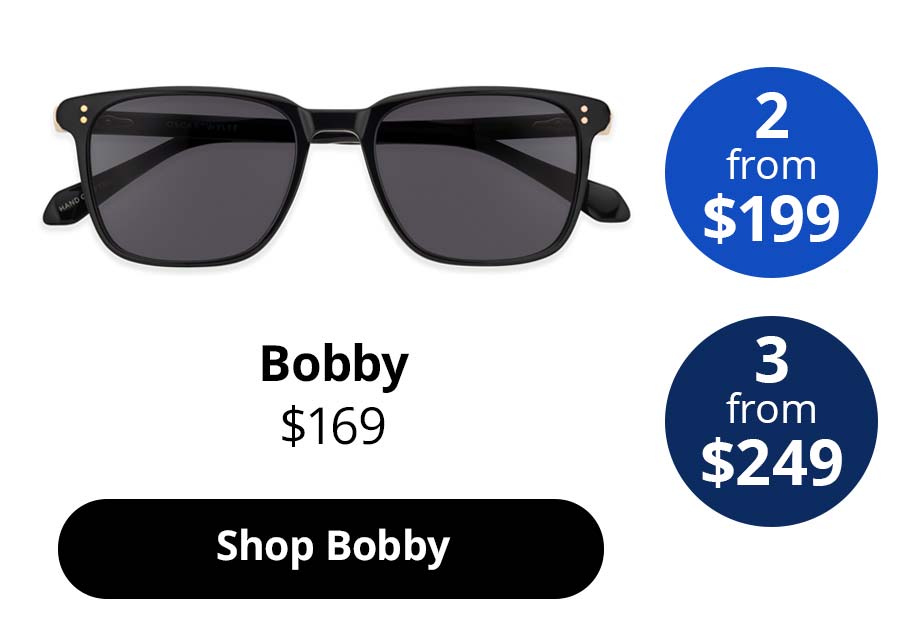
Our Bobby sunglasses are a popular frame characterised by their wearable unisex design. Bobby sunglasses are Category 3 sunglasses with tinted grey lenses, offering high protection against sun glare and good UV protection. This makes Bobby frames great for daytime driving in sunny conditions.
2. Easten Sunglasses
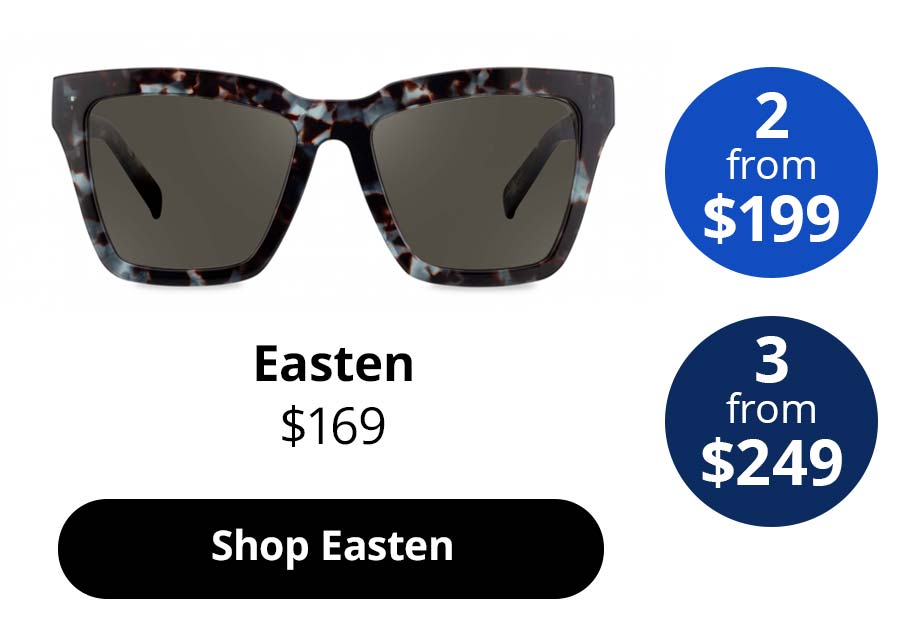
Our Easten sunglasses are a popular women’s frame distinguished by their bold, oversized square shape. Easten sunglasses come in both Category 2 and 3, depending on your chosen colour, with some shades coming with polarised lenses. These sunglasses come with grey, brown, or gradient lenses, depending on your chosen colour. Polarised lenses are recommended for driving because they neutralise glare and can reduce eye strain and visual fatigue, according to ARPANSA. Both Category 2 and 3 lenses can be worn for daytime driving, according to ARPANSA.
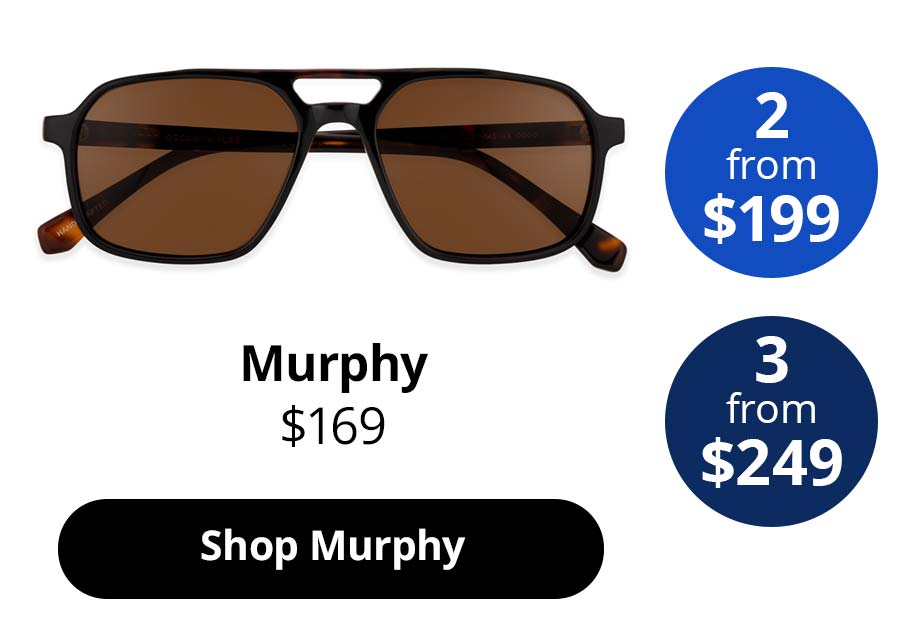
3. Murphy Sunglasses
Our Murphy sunglasses are a cult-classic Oscar Wylee shape, characterised by their unisex aviator design and Category 3 tinted brown lenses. These frames are not only stylish, but also offer high protection against sun glare and good UV protection, making them a fashionable and practical option for daytime driving.
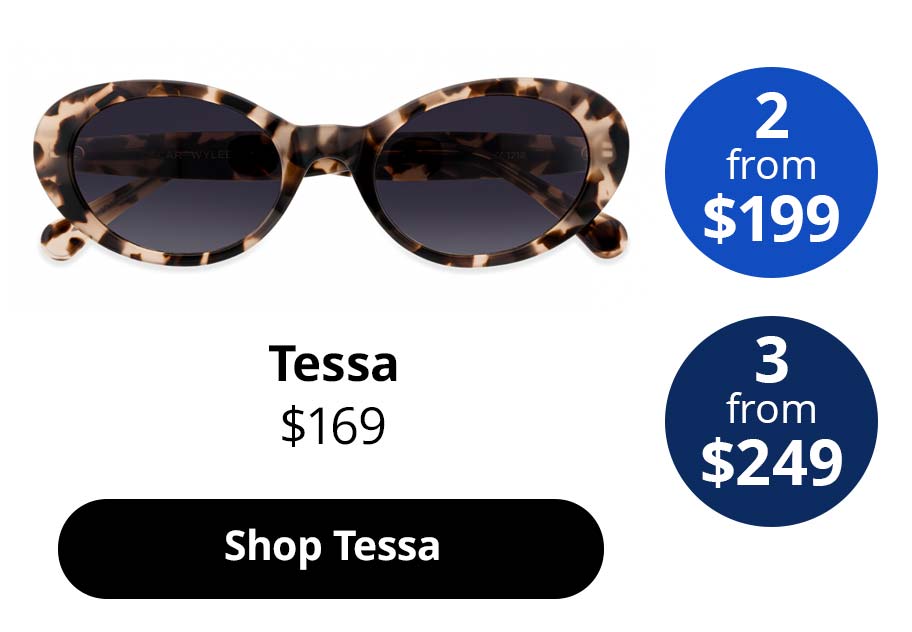
4. Tessa Sunglasses
Our Tessa sunglasses are a striking women’s glasses frame with a bold upper rim and an oval and round shape. Tessa sunglasses are Filter Category 3 and come with polarised grey lenses, meaning they filter out 82% to 92% of visible light and offer high protection against sun glare while reducing eye strain and visual fatigue. Tessa is a great option for those who want to be bold and stay protected.
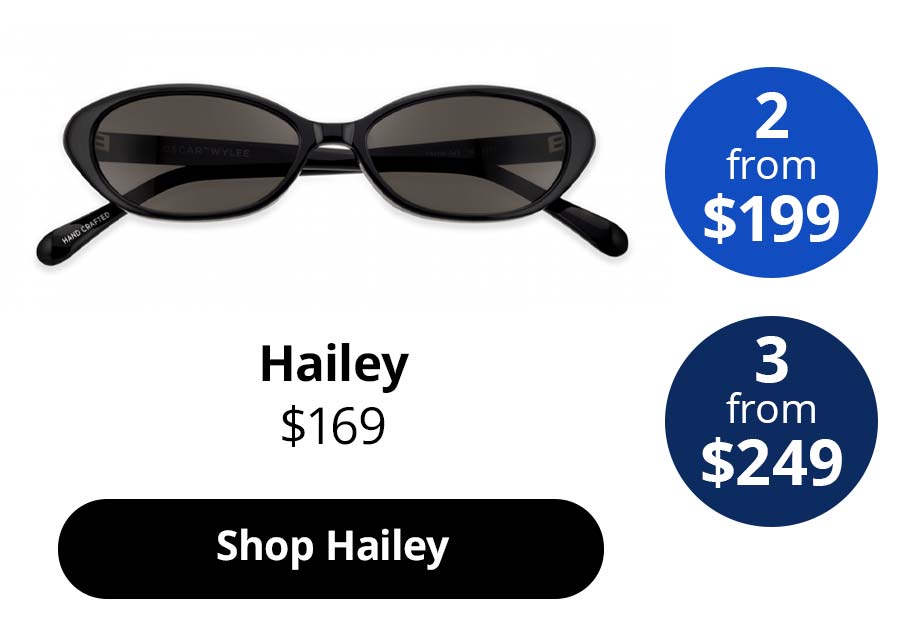
5. Hailey Sunglasses
Our Hailey sunglasses are a chic oval and round shape, great for those who want to rock a slimmer frame. Inspired by Hailey Bieber, these sunglasses come with polarised lenses in both Category 2 and 3, depending on your desired colour. Choose from either grey lenses (Obsidian Black) or brown lenses (Cioccolato). Not only will you look stylish and put together, but you will also be protected against sun glare and UV, and experience reduced eye strain and visual fatigue.
What Makes Sunglasses Good for Driving?
The main features that make sunglasses good for driving are polarised lenses, neutral tints, Category 3, UV protection, and broad peripheral coverage. Polarised lenses cut intense horizontal glare off wet roads and cars. Neutral tints like grey, brown, and green can help reduce brightness while reducing traffic light colour distortion. Category 3 lenses in Australia are dark lenses that filter out 82% to 92% of visible light and offer high protection against sun glare, according to the ACCC. UV protection refers to UV400 or 100% UV protection glasses, which shield eyes from harmful radiation. Broad peripheral lenses block light from entering the sides of your sunglasses, which protects your eyes from harmful UV rays.
How do Driving Sunglasses Improve Visibility?
Driving sunglasses improve visibility by cutting horizontal glare, improving contrast, and reducing eye strain in bright sunlight. A special coating is applied to polarised lenses, which blocks horizontal light waves that create glare while driving. Tints like grey, brown, and amber allow for improved visibility while driving. Because you don’t need to squint against harsh reflections, eye strain is improved.
Can Sunglasses Reduce Glare While Driving?
Yes, polarised sunglasses effectively reduce glare while driving during the day. They can also improve general comfort by reducing eye strain.
Which Lens Features are Best for Driving?
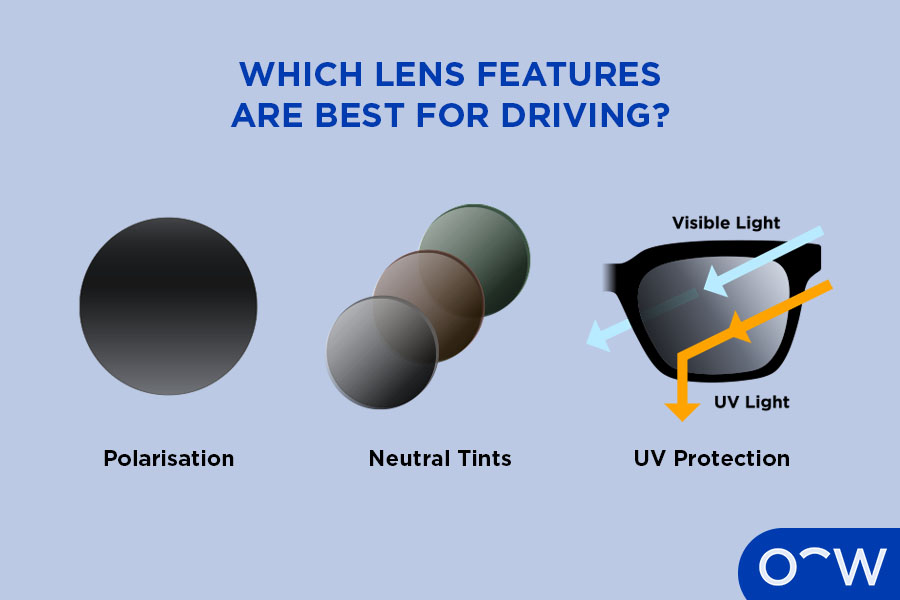
The lens features that are best for driving are polarisation, neutral tints, and UV protection. These lens features are explained below.
- Polarisation: Polarisation is an essential daytime sunglasses driving feature, as it cuts blinding horizontal glare from wet roads and cars.
- Neutral Tints: Neutral tints such as grey, brown, green, and amber colours increase contrast and depth perception, as well as ensuring traffic light colour recognition.
- UV Protection: UV protection in the form of UV400 or 100% UV protection lenses blocks harmful UV rays that can cause long-term eye damage, particularly important for long drives.
Are Polarised Lenses Good for Driving?
Yes, polarised lenses are good for daytime driving, as they cut horizontal glare, reduce eye strain, and improve contrast. Polarised sunglasses block blinding horizontal glare that can be created by wet roads and cars, which improves comfort. They also lessen eye strain, which stops you from constantly squinting. This, in turn, can reduce eye strain, particularly for long drives. On sunny days, overall contrast is improved, which can help with visual clarity.
What Lens Colour is Best for Driving?
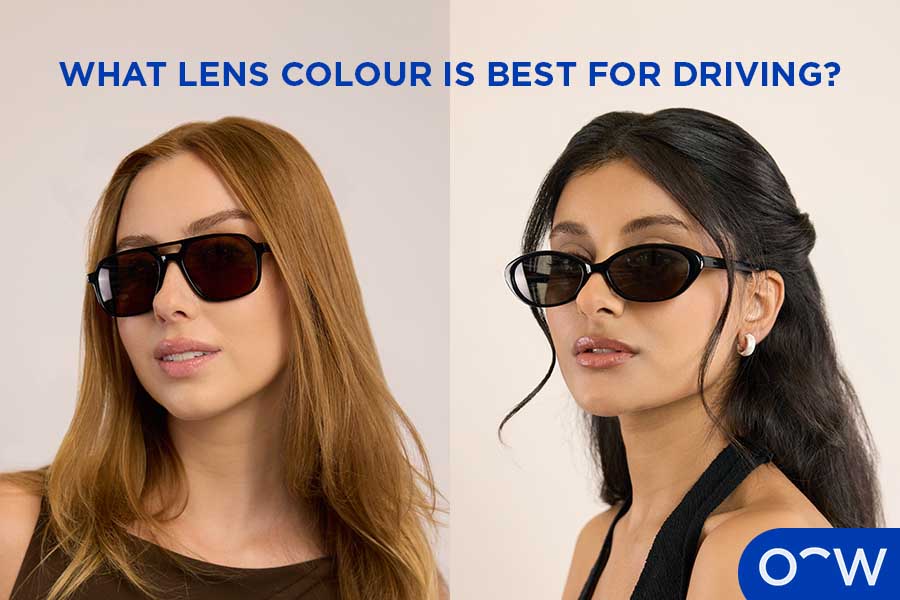
The best lens colours for driving are grey, brown, green, and amber. Grey lenses are generally a good choice for daytime driving because they reduce brightness while preserving natural colours. Green lenses can also help with colour accuracy, improving contrast and reducing glare. Brown and amber lenses are great for overcast or hazy weather conditions and improve contrast and depth perception, although they may alter colours a bit more. The best tint depends on lighting and driving conditions, and your personal preference.
Can Grey Lenses Keep Colours Natural While Driving?
Yes, grey lenses are typically the best at keeping colours natural while driving, because they are a neutral tint that absorbs all light equally. They are effective at reducing glare, dimming brightness and increasing clarity. Grey lenses are a safe choice for driving if you are in doubt.
How Can You Reduce Glare When Driving?
You can reduce glare when driving by wearing polarised sunglasses, cleaning your windshield, and adjusting your headlights. Polarised glasses are effective at reducing glare, and anti-reflective coatings help to eliminate light reflections. Cleaning your windshield, wiper blades, and headlights can also help reduce glare. Adjusting your headlights and rearview mirror may also help.
Do Anti-Glare Lenses Help With Strong Sunlight?
Anti-glare or anti-reflective lenses help prevent sunlight from bouncing off the back of your lenses when the sun is behind you, but they will not directly block strong sunlight. Anti-glare lenses also help to reduce eye fatigue and improve clarity. Polarised lenses help with strong, direct sunlight.
What Sunglasses are Safe for Driving at Night?
There are no sunglasses that are safe for driving at night. Wearing sunglasses while driving at night, twilight, or in dull light conditions is dangerous because it reduces visible light and visibility and increases your risk of a car accident, according to the Australian Radiation Protection and Nuclear Safety Agency (ARPANSA). The only lenses that are safe to wear at night are Category 0 clear fashion spectacles, according to Glaucoma Australia.
Which Lenses Help With Nighttime Glare?
The lenses that help with nighttime glare are clear lenses with an anti-reflective coating. Clear lenses with an anti-reflective coating are safe and medically recommended for improving nighttime glare. An anti-reflective coating stops light from bouncing off the front and back of your lenses and allows increased clarity and glare reduction. Clear lenses allow light to reach your eyes, so you can see the road, cars, and signage easily.
Should You Avoid Dark Tinted Lenses at Night?
Yes, you should avoid dark tinted lenses and sunglasses at night, according to ARPANSA. Dark tinted lenses and sunglasses should never be worn for driving at night, in twilight, or under dull light conditions.
How Do You Choose the Best Driving Sunglasses?
To choose the best driving sunglasses, opt for polarised sunglasses in grey, brown, green or amber tints with Category 3 protection, and consider your personal style. Polarised sunglasses cut intense glare that is reflected off wet roads and cars. Grey, brown, green, and amber tinted lenses can help provide colour balance and improve contrast. Avoid fashion tints like pink or blue, which can distort your colour perception. Lens category 2 or 3 frames are optimal for daytime use. For nighttime driving, opt for clear lenses with an anti-reflective coating. Finally, your personal style is important when it comes to choosing driving sunglasses, as you will want them to complement your clothing and accessories.
Do Frame Fit and Lens Coverage Affect Driving Comfort?
Yes, frame fit and lens coverage affect driving comfort. Make sure to choose frames that do not block your side vision, as this will affect your safety when driving. Frames with slim temples or thinner styles may be more beneficial. Ensure your sunglasses do not slide down your nose or are uncomfortably tight on your face. Lenses with more coverage, like wraparound styles, can stop light from leaking in around the edges of your frames, and can also limit your eyes drying out due to vehicle air conditioning. Generally, you should ensure your frames are comfortable and do not block your field of vision in any way.