


 1300 164 990
19 Great Foods for Eye Health
Published on October 14th, 2026
The 19 best foods for eye health include spinach, salmon, nuts, carrots and eggs, among others. These foods for eye health are packed with vitamins and nutrients such as vitamin A, vitamin E, zinc and lutein. A diet consisting of these 19 food items best for eye health can provide benefits such as contributing to healthy night vision, maintaining proper eye function and the prevention of eye diseases. Read more about these 19 best foods for eye health and further ways to maintain healthy eyes below.
This article is for general informational purposes only and does not replace professional medical or optometric advice.
1. Spinach
Spinach is high in lutein and zeaxanthin, two antioxidants that compose the eye pigment, and research has shown that it may prevent macular degeneration (AMD) in healthy eyes or prevent progression in patients with AMD.
2. Kale
Kale delivers more lutein every 100 grams than almost any other food, according to Bright Eye Specialists. Lutein is crucial for the functioning of the eye’s macula, as it helps absorb harmful blue light and neutralise free radicals before they can cause damage to the eye structures such as the lens and retina.
3. Salmon
Salmon is filled with omega-3 fatty acids, which are known to be beneficial for eye health. A sufficient omega-3 intake is associated with significant improvements in tear film stability and dry eye symptoms, according to a Blackmore study, as well as reducing the risk of AMD.
4. Sardines
Sardines are an oily fish which are a good source of omega-3 fatty acids, important nutrients for macular health, according to the Macular Disease Foundation Australia. A diet high in oily fish, such as sardines, has shown to reduce a person’s risk of developing macular degeneration, according to the Vision Eye Institute Australia.
5. Mackerel
Mackerel is a great source of omega-3 fatty acids which are good nutrients for maintaining macular health, according to the Macular Disease Foundation Australia. These can be pan fried or grilled, the perfect addition to rice bowls, pasta, or salads.
6. Carrots
Carrots are a great food option for maintaining eye health, particularly night vision. Carrots contain beta-carotenes, a red-orange pigment and anti-oxidant that becomes a source of vitamin A once passed through the liver, according to Glaucoma Australia. This vitamin A moves towards the retina and becomes the chemical rhodopsin, which is responsible for maintaining night vision.
7. Sweet Potatoes
Sweet potatoes contain beta-carotene, a form of vitamin A, which can contribute to healthy night vision. Sweet potatoes also contain vitamin E, which protects the eyes from free radicals which can cause damage to parts of the eye, according to the Binneter Eye Centre.
8. Eggs
Eggs contain various nutrients to improve eye health such as lutein and zeaxanthin, omega-3 fatty acids, vitamin A, vitamin E and zinc, according to the Australian Eggs Organisation. Consuming eggs can increase blood lutein and zeaxanthin levels and improve macular pigment density, which allows for a healthy macula able to act as an antioxidative defense against free radicals.
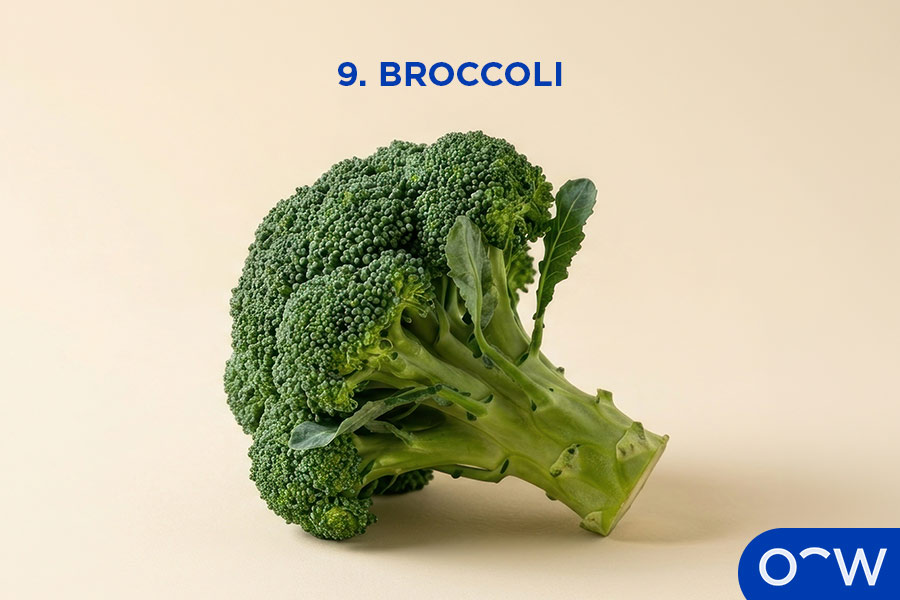
9. Broccolli
Broccoli is rich in lutein and zeaxanthin, antioxidants known as carotenoids which are found in the macula. Broccoli can reduce the risk of age related macular degeneration, according to Macular Disease Foundation Australia.
10. Orange Capsicum
Orange capsicums are the richest source of the orange pigment zeaxanthin, which is vital for central vision, according to The University of Queensland Australia. Zeaxanthin is important, as a deficiency can leave eyes susceptible to age-related macular degeneration.
11. Pumpkin
Pumpkin contains plenty of lutein and zeaxanthin, which are carotenoids that combat against oxidants, according to the Macular Society Organisation. These can protect against conditions such as age-related macular degeneration.
12. Corn
Corn is good for eye health because it is rich in lutein and zeaxanthin. These yellow pigments help to absorb harmful blue light and can protect the eyes from oxidative damage. These antioxidants may help lower the risk and slow the progression of age-related macular degeneration (AMD) and cataracts, according to research by the Queensland Department of Primary Industries and Fisheries. Cooking corn makes it easier for your body to absorb lutein and zeaxanthin.
13. Peas
Peas are beneficial for eye health, as they protect vision and lower the risk of age-related eye conditions, according to the Macular Disease Foundation Australia (MDFA). Peas are rich in lutein and zeaxanthin, important antioxidants for the eyes. Peas also contain vitamin C and zinc, which are vital to support eye health.
14. Oranges
Oranges are one of the best foods for eye health, with some Australian research finding that regular consumption may lower the risk of developing age-related macular degeneration (AMD), according to the ABC. Oranges contain flavonoids, which reduce inflammation and oxidative stress in the body. Oranges are also rich in vitamin C, which supports eye health. Citrus fruits are part of an eye-friendly diet, according to the MDFA.
15. Kiwi Fruit
Kiwi fruit is excellent for eye health, due to its vitamin C, lutein, and zeaxanthin content, according to the MDFA. Vitamin C is a powerful antioxidant that helps protect the eyes from free radical damage, supports blood vessels in the eyes, and can slow the progression of age-related macular degeneration (AMD) and cataracts, according to the Vision Eye Institute Australia.
16. Strawberries
Strawberries are beneficial for the eyes due to their vitamin C and other antioxidants, according to Sanitarium Australia. Strawberries are high in vitamin C, which supports eye health by protecting the eyes from free radical damage. Vitamin C also helps support healthy blood vessels that supply oxygen and important nutrients to the eyes, according to HBF Health Australia.
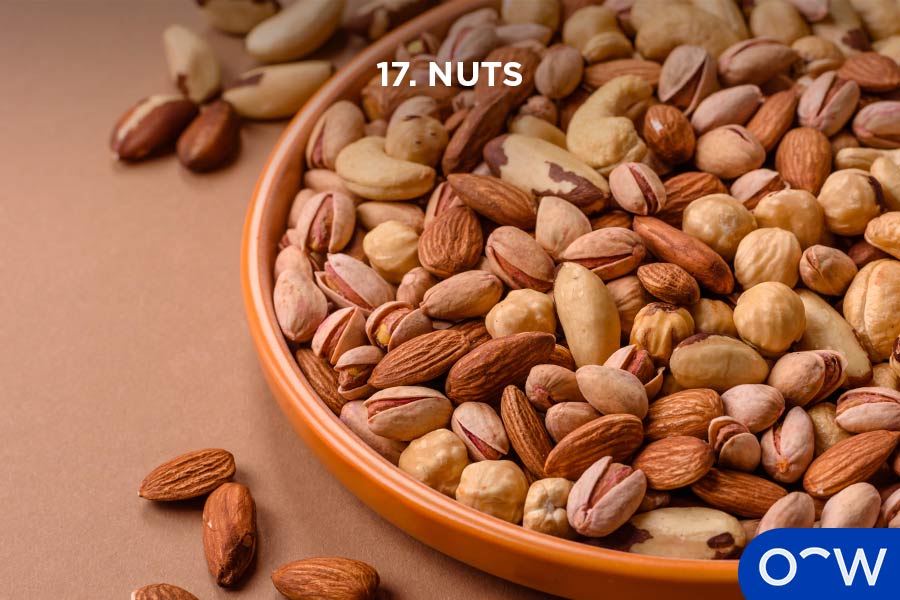
17. Nuts
Nuts are great for eye health, as they contain vitamin E, omega-3 fatty acids, zinc, selenium, and lutein. Vitamin E is an excellent antioxidant that helps protect the eyes from free radical stress. Omega-3 fatty acids can help protect against dry eye syndrome and retinal degeneration. Brazil nuts contain selenium which can help reduce oxidative stress, and nuts and seeds generally provide zinc which can help support retinal and vascular health.
18. Avocado
Avocados support eye health through their lutein, zeaxanthin, and vitamin E content. Studies have shown that regular avocado consumption can increase macular pigment density in older adults, according to Sanitarium Australia. This can help lower the risk of age-related macular degeneration (AMD) and cataracts.
19. Beans
Beans and legumes are good for eye health due to their zinc content and low glycemic index. Lima beans and kidney beans can lower the risk of age-related macular degeneration and cataracts, while green beans can lower the risk of glaucoma, according to the Vision Eye Institute Australia
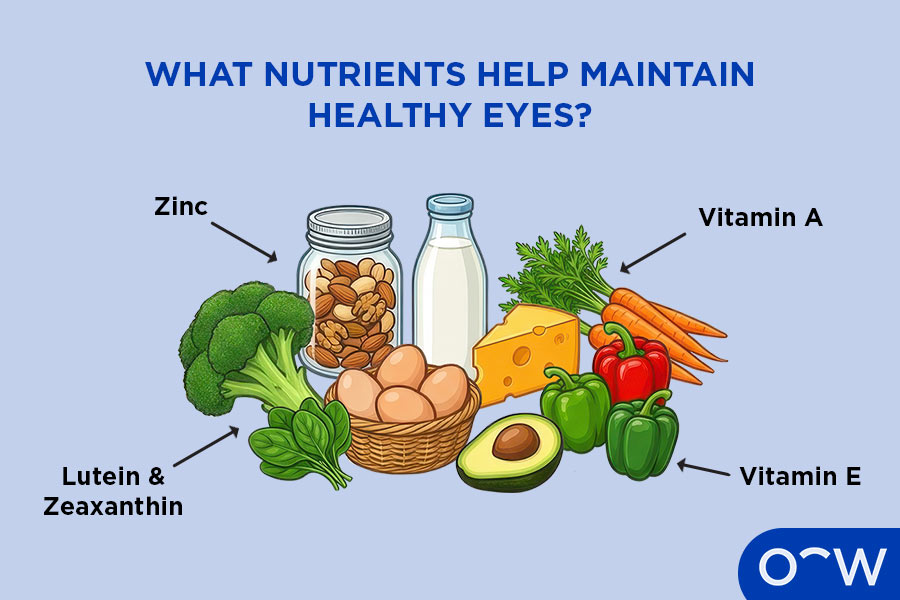
What Nutrients Help Maintain Healthy Eyes?
The nutrients that help maintain healthy eyes include vitamin A, vitamin E, zinc; lutein, and zeaxanthin. Read more about these nutrients that help maintain healthy eyes below.
- Vitamin A: Vitamin A allows for a clear cornea and is essential for maintaining good night vision, according to Adelaide Eye & Laser Centre. Foods with vitamin A include eggs, salmon, and meat products.
- Vitamin E: Vitamin E taken alongside other vitamins can provide protection from eye diseases such as age-related macular degeneration, according to Health Direct. Vitamin E can be found in food such as capsicum, sunflower oil, and peanut butter.
- Zinc: Zinc is important for the retinal pigment epithelium, a barrier that transports nutrients into the retina, which only functions when zinc-dependent proteins are present, according to the Glaucoma Organisation. Seafood, red meat, and eggs provide a good amount of zinc for the body.
- Lutein and Zeaxanthin: Lutein and zeaxanthin are nutrients important for maintaining a healthy macula, most prominently found in dark green, leafy vegetables.
Do Carrots Help Your Eyesight?
Yes, carrots can help your eyesight. Carrots contain vitamin A which is needed to form rhodopsin, a reddish-purple pigment which helps your eyes see clearly in low-light conditions, according to Westside Eye Clinic. Deficiency in vitamin A can lead to reduced eyesight and night vision.
How do Antioxidants Protect the Eyes?
Antioxidants protect the eyes by preventing eye diseases as they counteract the effects of free radicals, according to Glaucoma Australia. Free radicals are unstable chemicals which can damage cell membranes and structures, affecting the lens inside the eye, and leading to vision loss, according to Better Health Channel. Antioxidants neutralise these free radicals, therefore, making them important in eye protection.
What Role do Lutein and Zeaxanthin Play?
Lutein and zeaxanthin play a role in the eye structure through their presence in the macula, namely the macula pigment, to filter blue and ultraviolet (UV) light. Lutein and zeaxanthin work in the macula to absorb potentially harmful bands of spectral light such as blue and UV light and protect against oxidative stress and damage, according to Kellet. J’s paper titled ‘Nutrition’, published in the Optometrist’s Association Australia in 2011.
Can Antioxidants Help Protect the Retina?
Yes, antioxidants can help protect the retina. Nutrients such as lutein and zeaxanthin act as antioxidants, and as a result can support retinal cells and strengthen macular pigment, according to Beaver. D’s article titled ‘The foods That Save Your Sight’ published on Bond University's website in 2026.
Can Diet Help Improve Eyesight?
No, diet cannot improve eyesight. Rather, it can protect your existing eye health and potentially lower the risk of certain conditions such as age-related macular degeneration.
How can Nutrition Support Better Vision?
Nutrition can support better vision as studies have shown proper nutrition can delay or even prevent conditions such as age-related macular degeneration and diabetic retinopathy, a complication of diabetes.
Can Food Improve Eyesight Without Glasses?
No, food cannot improve eyesight without glasses. Food with certain nutrients can strengthen parts of the eye and potentially prevent certain eye conditions. However, it cannot improve eyesight, and it is important to wear prescription glasses to correct your vision.
What Makes Fruit Helpful for Eye Health?
Fruit can be helpful for eye health as it contains antioxidants present that can help combat the consequences of free radicals, chemicals which can cause damage to eye cells, according to Glaucoma Australia.
Is Fruit a Good Source of Eye-Supporting Nutrients?
Yes, fruit is a good source of eye-supporting nutrients, as it contains antioxidants and various vitamins to protect and nourish various parts of the eye.
What Daily Habits Support Healthy Eyes?
The daily habits that can support healthy eyes include a balanced diet, UV protection, and taking regular screen breaks. Read more about how these daily habits can support healthy eyes below.
- Balanced Diet: Maintaining a balanced diet of fruits, vegetables, and meats packed with vitamins and nutrients is beneficial for eye health. Vitamin A, vitamin E, zinc and luteinand zeathin are vitamins you should be looking out for in your daily food intake.
- UV Protection: UV protection is important for the eyes, as excess exposure can lead to eye strain, headaches, and in more serious cases, squamous cell cancers or skin cancer around the eye, according to the Cancer Council Australia.
- Taking Regular Screen Breaks: Taking regular screen breaks is important for your eyes to relieve them from eye strain, blue light exposure, and potential headaches.
Can Lifestyle Changes Help Maintain Good Vision?
Yes, lifestyle changes can help maintain good vision. This is particularly true of conditions such as age-related macular degeneration, where lifestyle factors such as bad diet can play a role in its onset. A change to a diet which is rich in vegetables, fruit, whole grains, and healthy fats can lead to better health and protect against age-related macular degeneration, according to the Vision Eye Institute Australia.
Which Foods May Harm Eye Health?
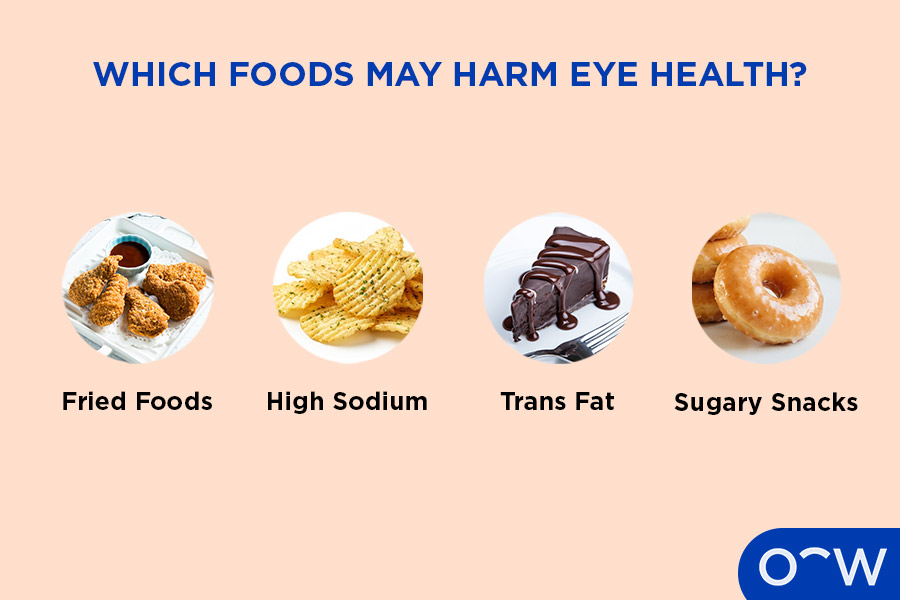
The foods that may harm eye health include fried foods, foods with high sodium, foods with excess trans fats, and sugary snacks. Read more about these foods that may harm eye health below.
- Fried Foods: Fried foods such as hot chips can increase the free radicals in your body that can break down parts of the eye and lead to conditions such as age-related macular degeneration, according to The Cleveland Clinic.
- Foods With High Sodium: High sodium foods should be monitored as they can increase the risk of cataracts and lead to high blood pressure and cholesterol, both risk factors for diabetic retinopathy, according to Diabetes Australia.
- Foods With Excess Trans Fats: Trans fat, found in heavily processed food, can contribute to poor blood circulation. As a result, blood pressure can be exacerbated and the risk of glaucoma can be increased, according to Mornington Peninsula Eye Clinic.
- Sugary Snacks: Sugary snacks and drinks are best to avoid to reduce the risk of age-related macular degeneration and high blood pressure, which can lead to conditions such as diabetic retinopathy.
Can an Unhealthy Diet Affect Vision?
An unhealthy diet is said to affect vision negatively. A study conducted by University of Southampton showed how retinal pigment epithelial (RPE) cells in the eye can become damaged due to poor nutrition. This damage can lead to diseases such as age-related macular degeneration (AMD).
What Else Can You Do to Protect Your Eyes?
You can protect your eyes through other ways such as eye tests, UV protection, protective eyewear, screen habits, and health management. Read more about these ways to protect your eyes below.
1. Eye Tests
Eye tests are important to ensure an eye health professional is monitoring your vision. Going to the optometrist for an eye test at least every two years is good practice to ensure any vision changes in your eye are detected and that your prescription remains accurate to your current eye needs.
2. UV Protection
UV protection through the use of sunglasses is a good way to protect the eyes. Prolonged UV exposure can cause excessive blinking and sensitivity to bright light, as well as increase the risk of conditions such as cataracts and pterygium, according to the Centre for Eye Research Australia.
3. Protective Eyewear
Protective eyewear will only be used for specific activities. For example, those who work as carpenters or do yard work will require protective eyewear. This protective eyewear ensures harmful debris does not enter the eye.
4. Screen Habits
Screen habits are important to consider in your everyday life, as excess screen time can lead to digital eye strain. Digital eye strain can include eye discomfort, blurred vision, headaches and red eyes, according to Health Hub Qld.
5. Health Management
Health management is important for those with conditions such as diabetes and high blood pressure. These health issues can lead to eye conditions such as diabetic retinopathy and hyperintensive retinopathy.
How can you Maintain Healthy Eyes as You Age?
You can maintain healthy eyes as you age by eating a balanced diet, doing regular physical activity, and taking regular eye tests. By incorporating foods such as the ones listed above, you will be strengthening various parts of your eye. Physical activity is important as it helps insulin function, reducing the risk of diabetic eye diseases, according to Macular Disease Foundation Australia. Those aged 40 or over are recommended to take an eye test every two or three years according to Health Direct Australia. If you experience any vision changes, you should consult an optometrist immediately.